






Product Description
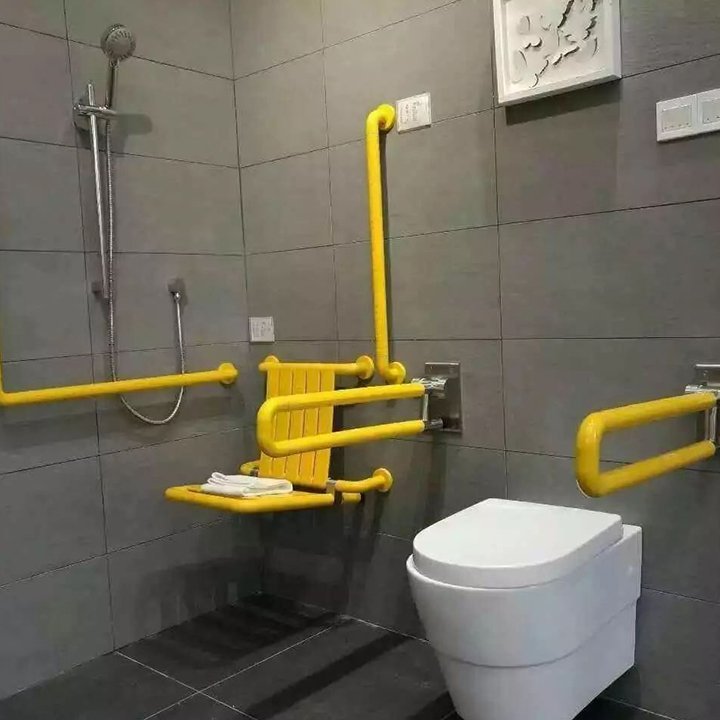
Disabled facilities equipped with dedicated accessible features provide convenient and practical bathroom spaces for individuals with disabilities, the elderly, and those who may require assistance. These facilities typically include doors that are easy to open for wheelchair users and individuals needing assistance, specialized fixtures, and safety handrails to complement the fixtures, offering convenience for people with disabilities, the elderly, or those assisting individuals with toileting needs.

Advantages of Disabled facilities

Applications of Disabled facilities
- Airport:
- Dedicated accessible pathways and elevators are provided for wheelchair users and passengers with limited mobility.
- Airport restrooms are typically equipped with accessible facilities, including doors that are easy to open and specialized fixtures.
- Train Station:
- Easy-to-use accessible entrances and exits are offered to ensure convenient access for wheelchair users and individuals with limited mobility.
- Train station restrooms are equipped with accessible facilities to meet various special needs.
- Hospital:
- Hospitals have specially designated accessible pathways to ensure patients and visitors can easily navigate the premises.
- Hospital restrooms are equipped with accessible facilities to accommodate the special needs of patients.
- Park:
- Accessible pathways are established in parks to facilitate smooth movement for wheelchair users and individuals with limited mobility.
- Park facilities may include user-friendly accessible play equipment to cater to the recreational needs of everyone.
- Nursing Home:
- Accessible pathways are implemented in nursing homes to ensure residents can move around easily.
- Common areas in nursing homes, such as dining rooms and activity rooms, may feature specially designed accessible facilities for enhanced convenience.