




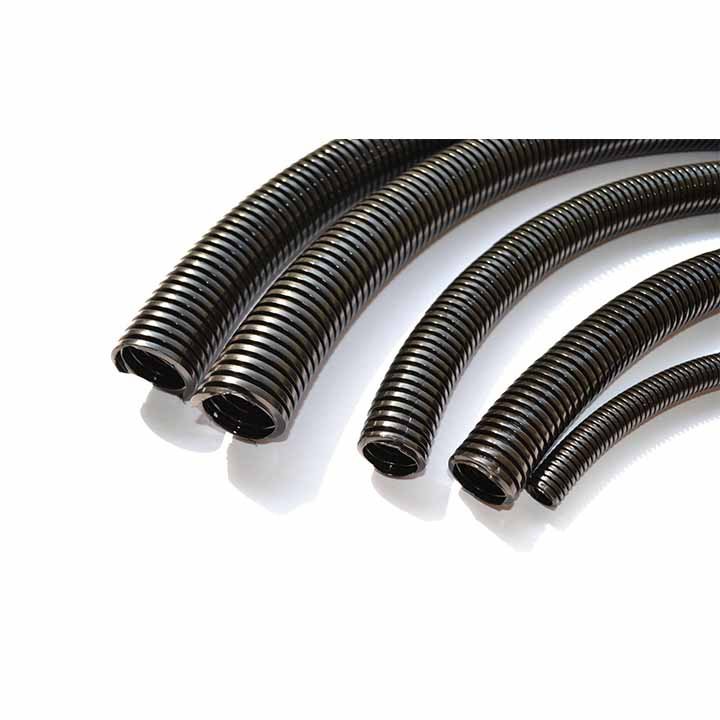
Product description
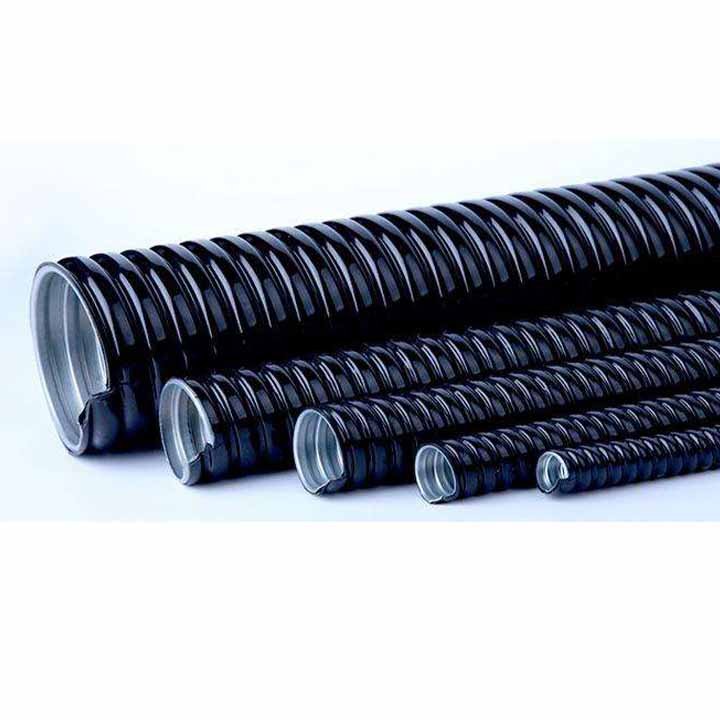
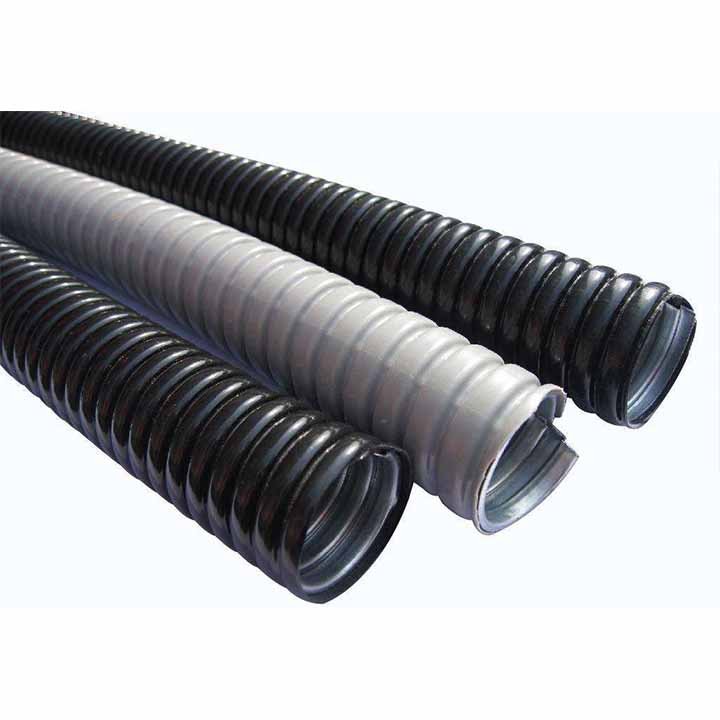
The Flexible Conduit is a robust conduit designed to provide exceptional protection for electrical wiring in industrial and commercial settings. Its steel construction, combined with a liquid-resistant covering, ensures durability and resistance to moisture, oil, and chemicals. This conduit offers flexibility, allowing for easy installation in tight spaces and around obstacles. It provides a secure pathway for electrical wires and cables, safeguarding them from damage and prolonging their lifespan. Overall, this conduit is a reliable solution for applications requiring durable and liquid-resistant conduit systems.
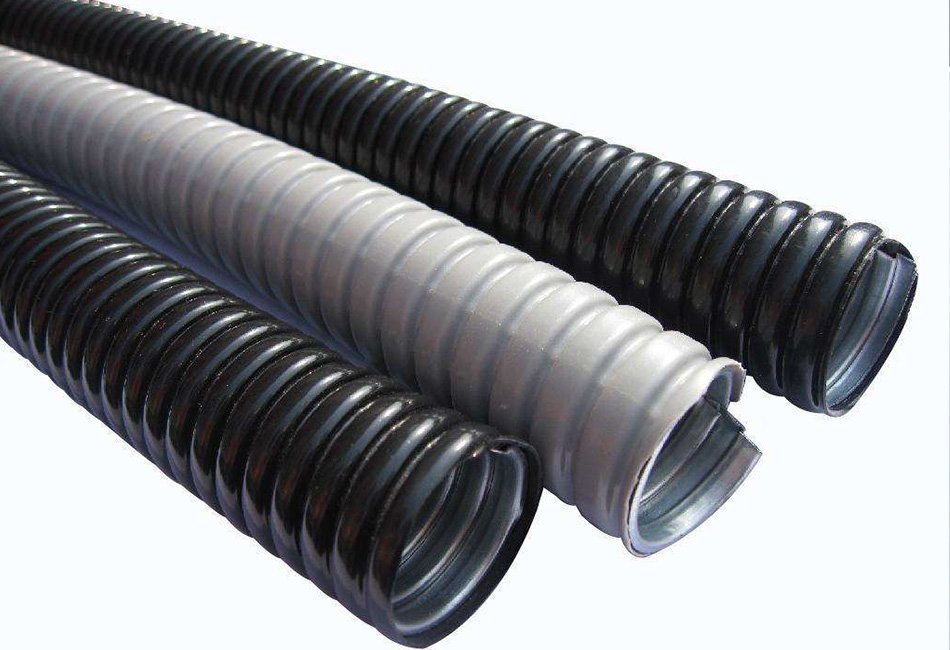
Advantages Of Flexible Conduit
- Exceptional Durability: Constructed from robust steel, this conduit offers long-lasting durability, able to withstand heavy-duty use in industrial environments.
- Liquid Resistance: The liquid-resistant covering provides reliable protection against moisture, oil, chemicals, and other liquids, ensuring the integrity of the electrical wiring.
- Flexibility: Its flexible design allows for easy installation in tight spaces, around corners, and in areas with complex wiring layouts, offering versatility in various installation scenarios.
- Secure Pathway: Provides a secure pathway for electrical wires and cables, preventing damage from external elements and reducing the risk of electrical hazards.
- Extended Service Life: By safeguarding electrical wiring from potential damage, this conduit helps extend the service life of the electrical system, minimizing maintenance requirements and downtime.
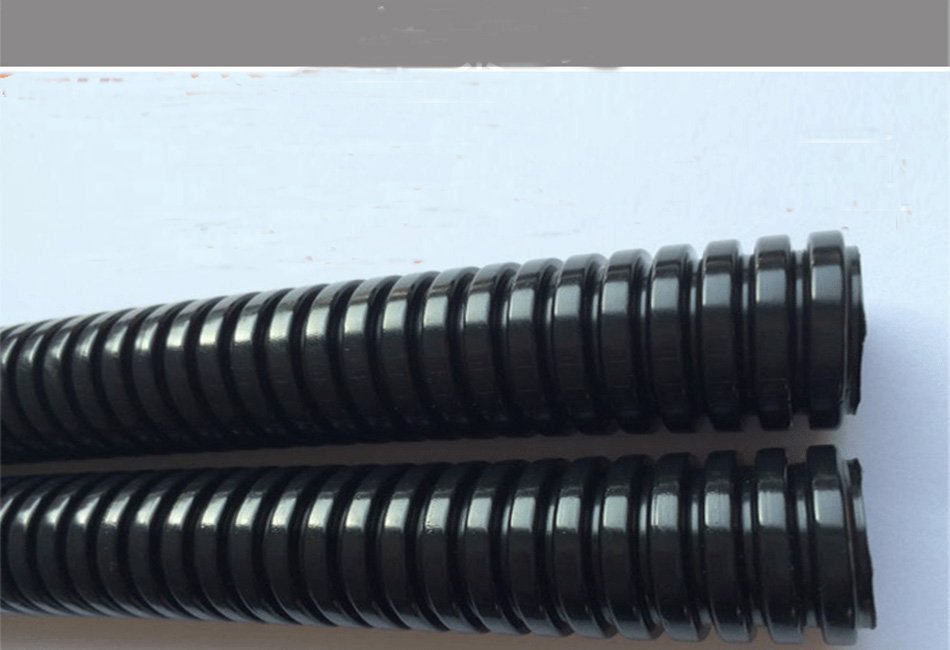
Applications Of Flexible Conduit
- Industrial Facilities: Used in factories, manufacturing plants, and processing facilities to protect electrical wiring from moisture, chemicals, and mechanical damage in harsh industrial environments.
- Commercial Buildings: Installed in commercial buildings such as office complexes, retail stores, and shopping malls to provide secure pathways for electrical wiring while ensuring protection against liquids and other environmental factors.
- Outdoor Installations: Suitable for outdoor applications where exposure to weather elements like rain, snow, and UV radiation is a concern, providing reliable protection for electrical wiring in outdoor lighting systems, signage, and other outdoor installations.
- Marine and Offshore: Utilized in marine and offshore environments to safeguard electrical systems on ships, oil rigs, and offshore platforms from the corrosive effects of saltwater and harsh marine conditions.
- Hazardous Locations: Designed for use in hazardous locations where flammable gases, vapors, or combustible dust are present, providing a safe and reliable conduit solution for electrical wiring in chemical plants, refineries, and other hazardous environments.
- Data Centers: Employed in data centers and telecommunications facilities to protect electrical wiring and cables from exposure to liquids and other environmental contaminants, ensuring the uninterrupted operation of critical infrastructure.
- Residential Construction: Used in residential construction projects for routing electrical wiring in areas prone to moisture exposure, such as bathrooms, kitchens, and outdoor lighting installations.
- Renewable Energy: Installed in renewable energy systems such as solar farms and wind turbines to protect electrical wiring from the elements and ensure reliable operation in outdoor and remote locations.