





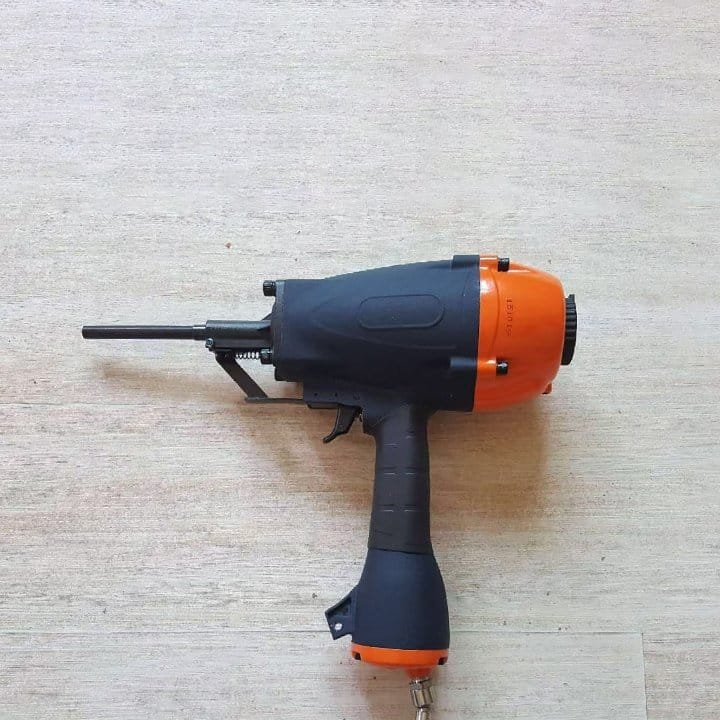
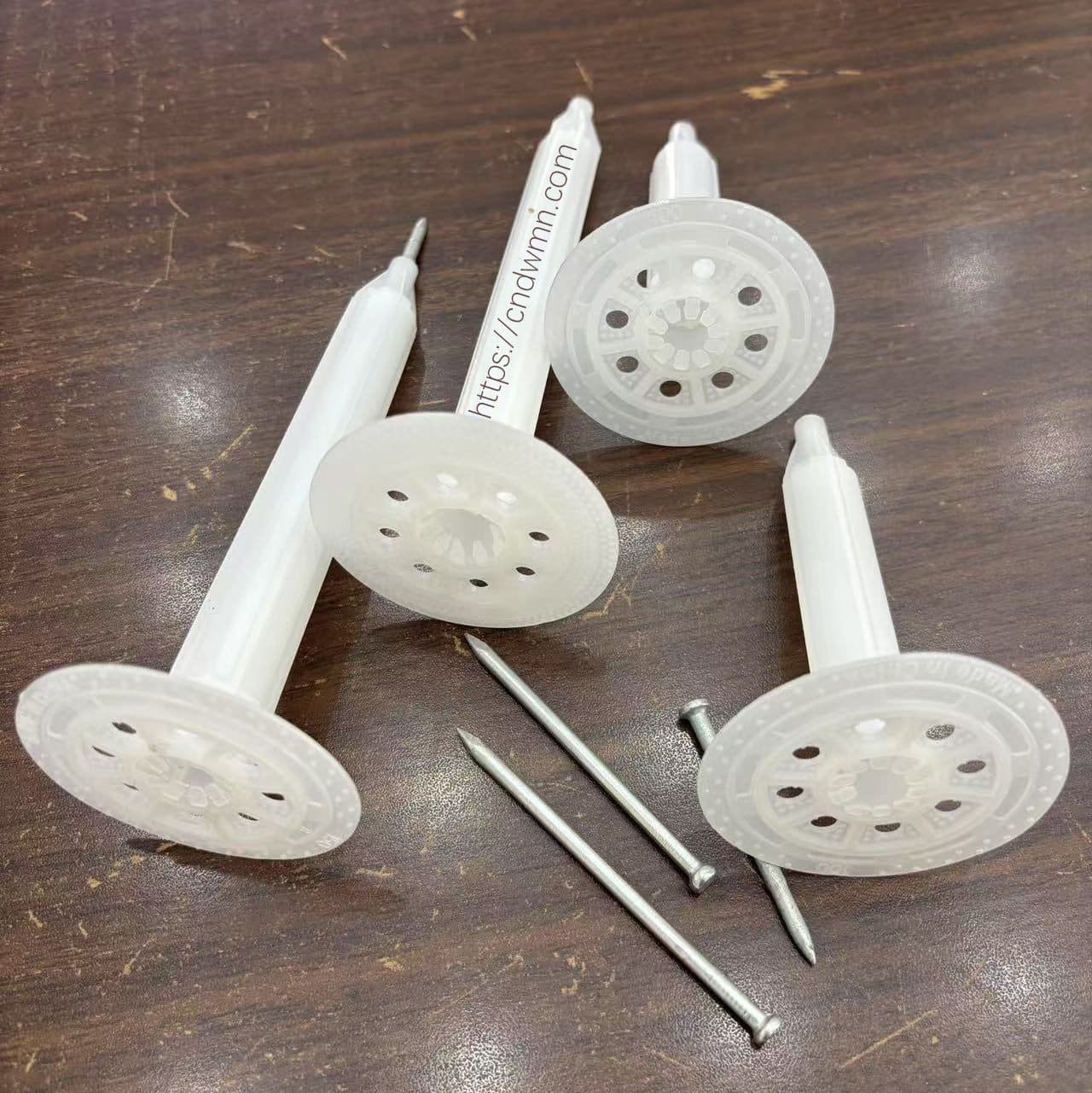
Product description
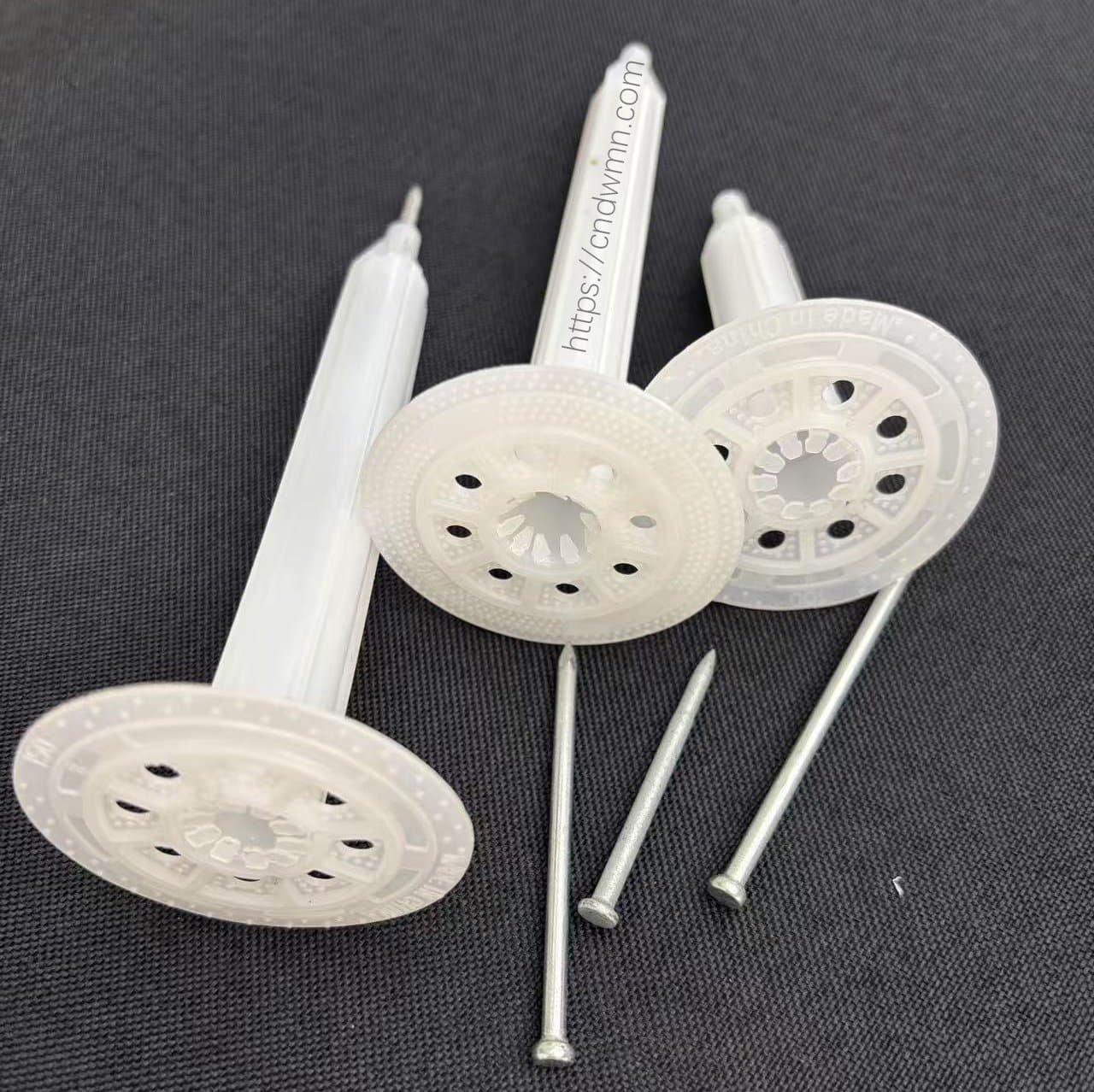
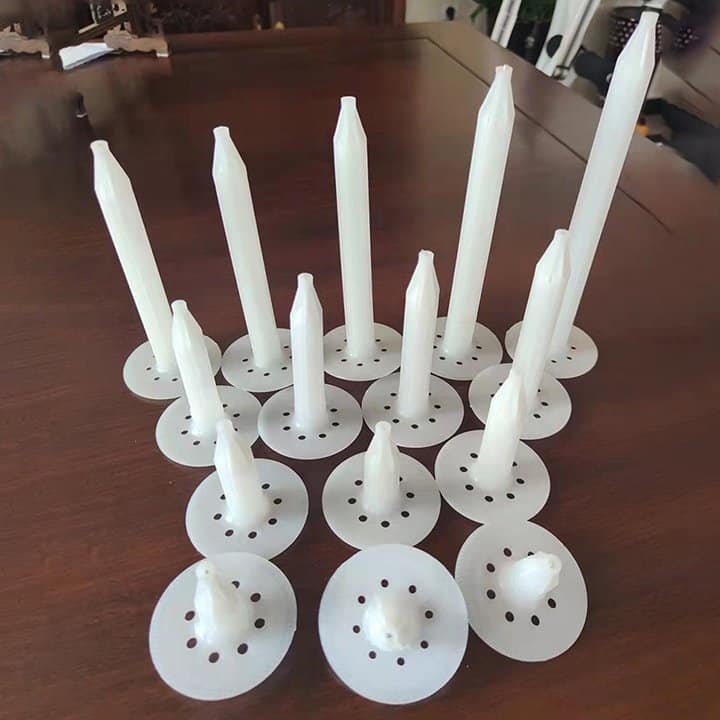
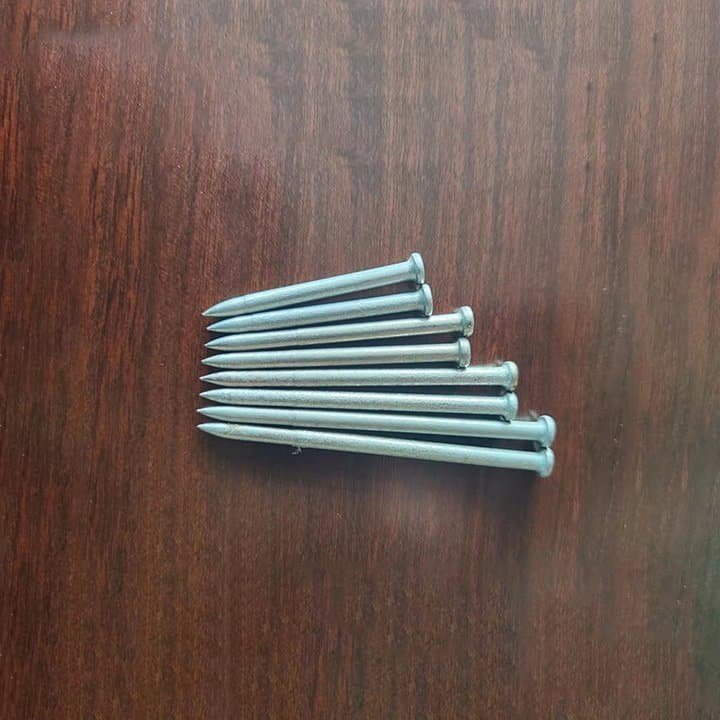
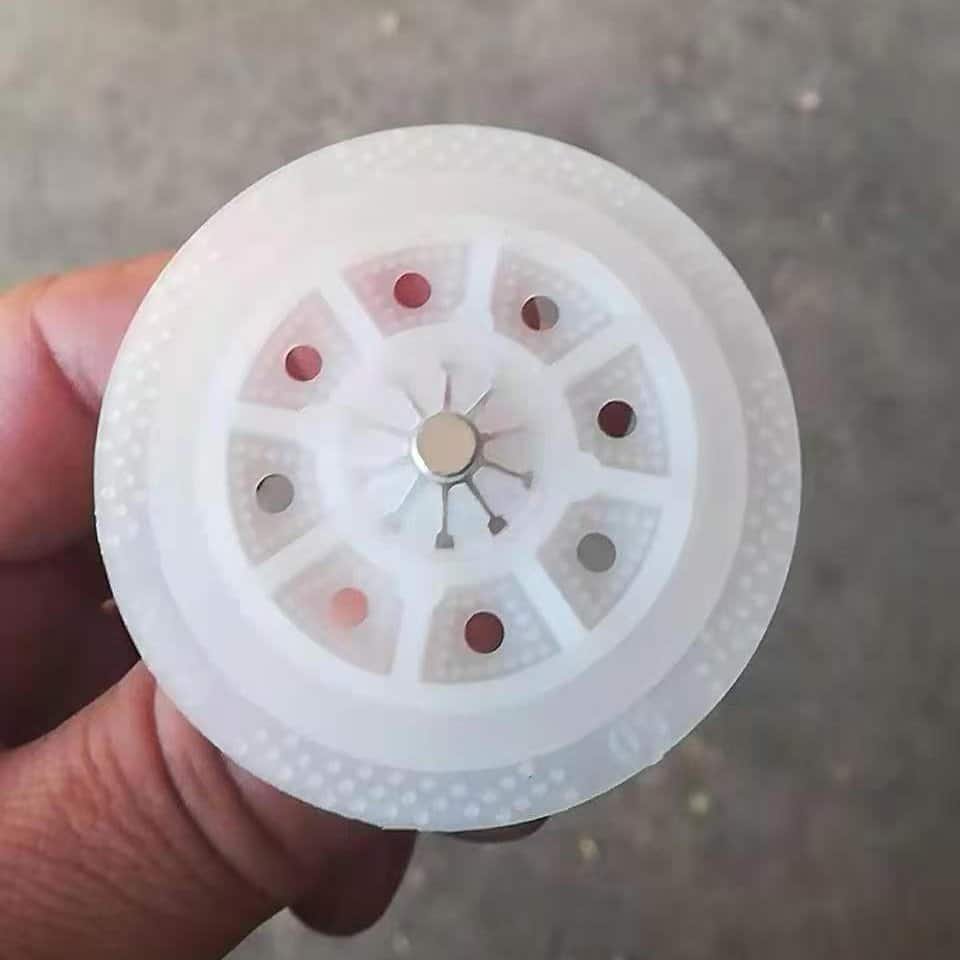
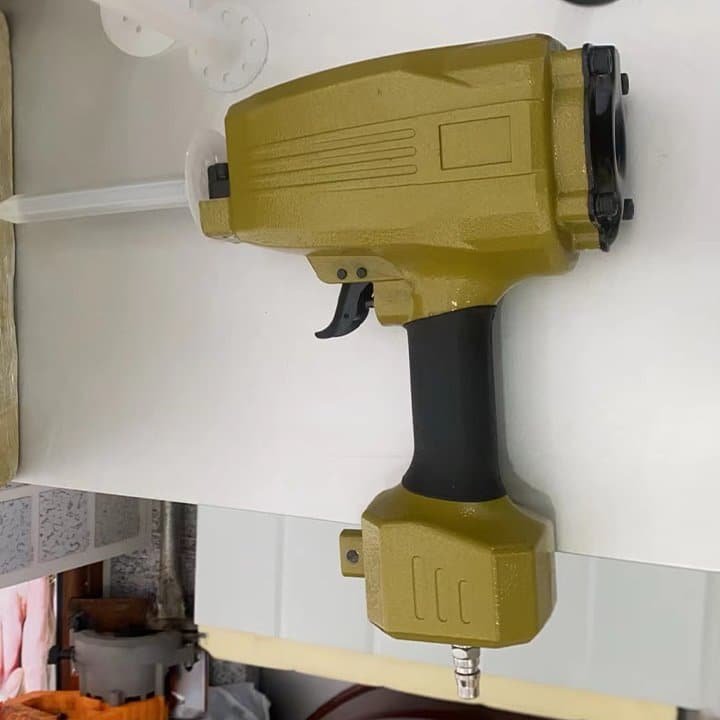
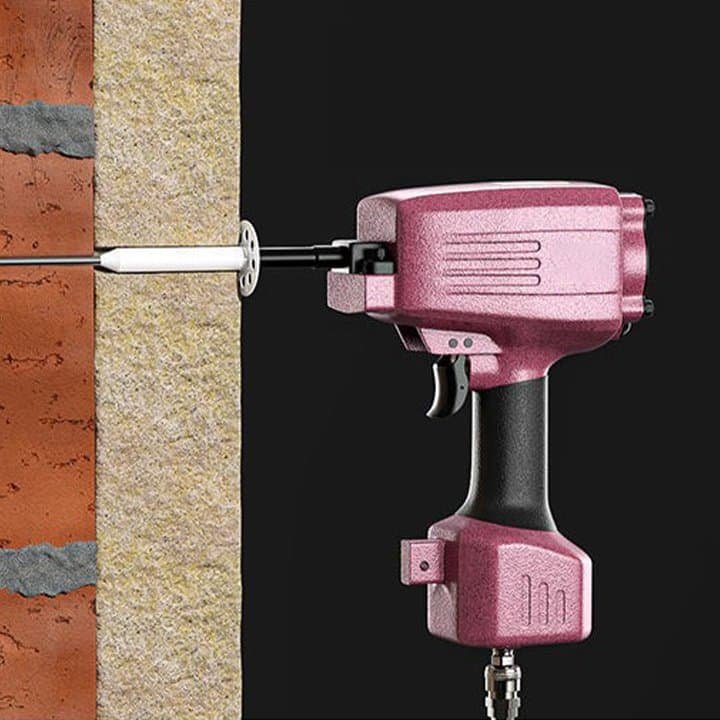
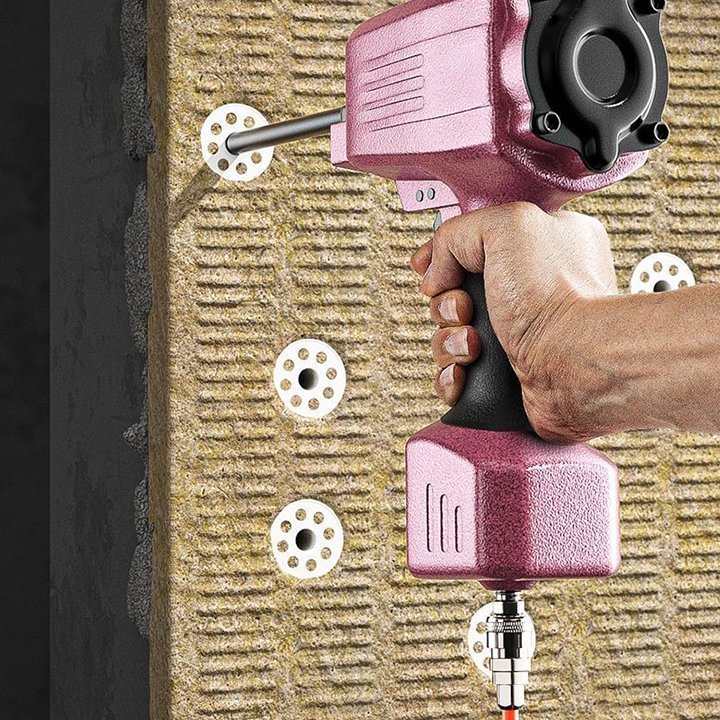
InsulationFasteners, also known as plastic expansion insulation nails, are mainly used to fix insulation boards in external wall insulation systems. There are various specifications of insulation nails, mainly determined by the thickness of the insulation layer, making them a commonly used material in architectural decoration.
Product Features
- Crafted from durable materials for exceptional weather and corrosion resistance.
- User-friendly design for easy installation.
- Offers superior tensile and compressive strength.
- Available in various specifications and sizes to meet diverse project requirements.
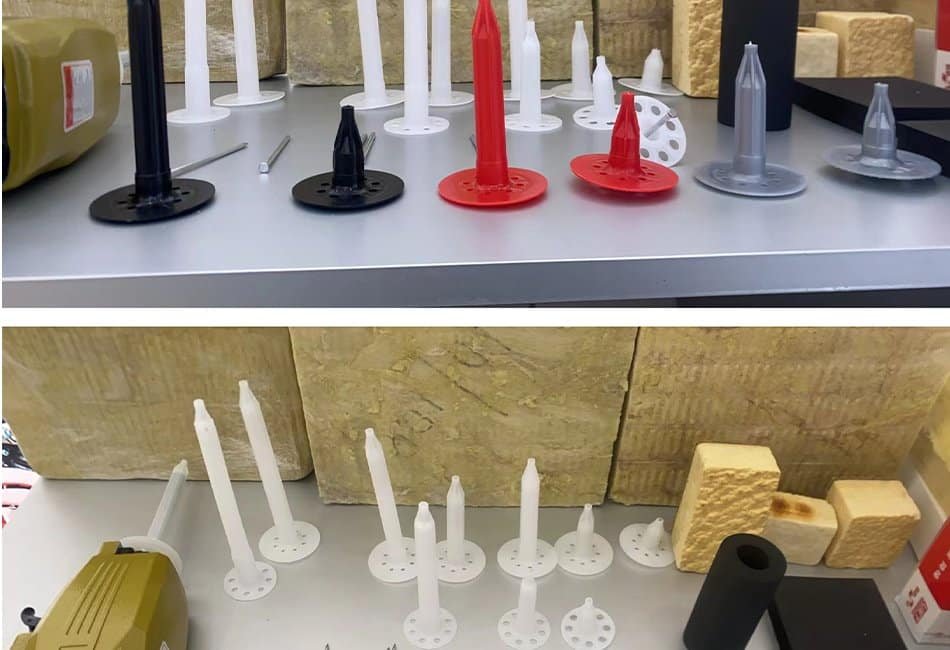
Applications
- Versatile and dependable for roofing, wall, and flooring insulation projects.
- Suitable for residential, commercial, and industrial settings.
- Enhances energy efficiency, thermal comfort, and moisture control in buildings.
- Ensures long-term performance and sustainability of construction projects.
Installation Method of Insulation Nails
Step 1: Before installation, mark the gridlines and determine the positions for installing the insulation nails. Then, use a drilling tool to create anchor holes and insert the plastic expansion plugs into the holes. It is recommended to control the drilling depth to be more than 1 centimeter deeper than the plastic expansion plugs to ensure construction safety and effectiveness.
Step 2: Ensure that the wall is clean and tidy. Apply mortar at the marked gridlines. The detailed construction area and thickness of mortar application should be determined and adjusted according to the usage requirements and flatness of the wall.
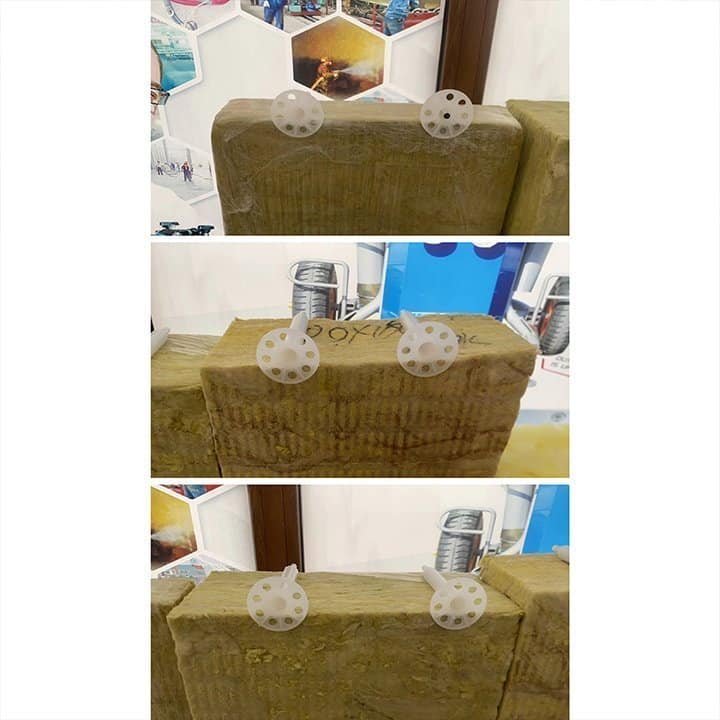
Step 3: After applying the insulation boards on the wall according to the marked gridlines, press them firmly to ensure uniform thickness on the surface. Then, the insulation nails can be fixed. For ideal results, the insulation nails should be controlled to be below the surface of the wall material and in the same plane as the board surface.