




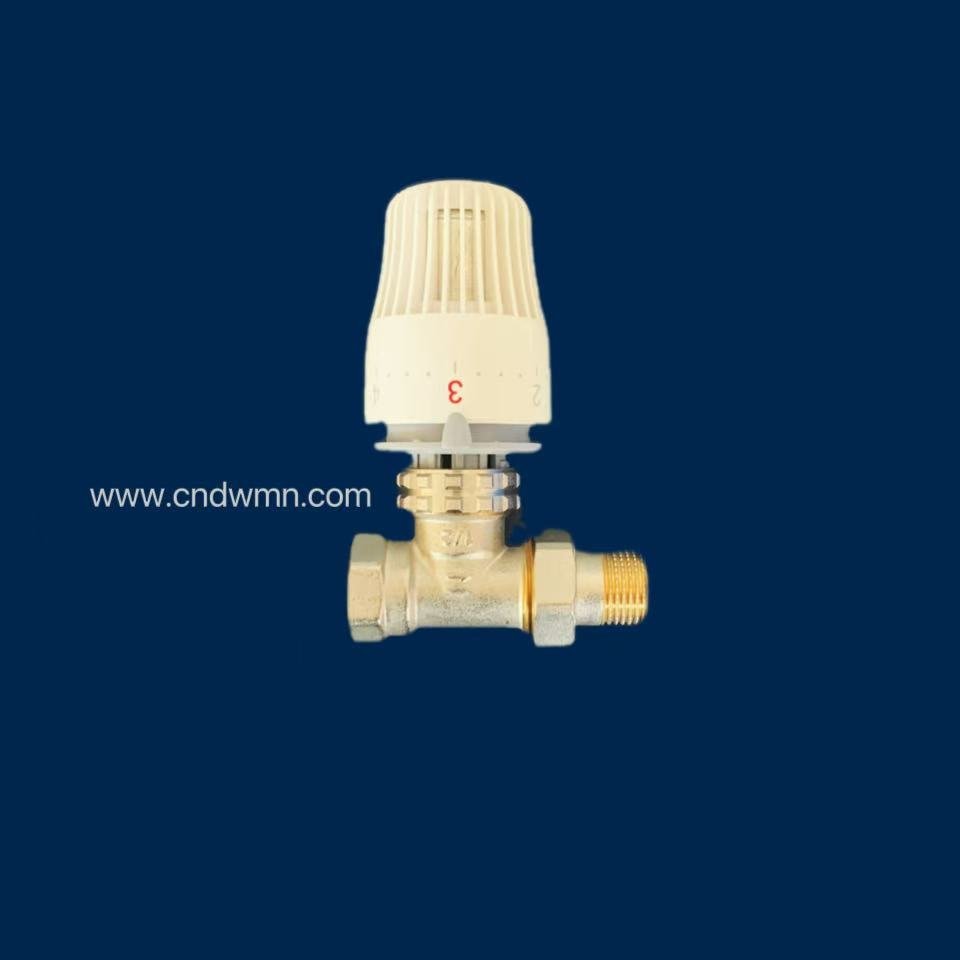
Performance Characteristics:
- Energy – efficiency: Thermostatic valves can automatically adjust the flow rate according to the actual temperature requirements, thus avoiding energy waste. In heating systems, they can maintain the indoor temperature within a comfortable range and reduce energy consumption simultaneously, achieving energy conservation and emission reduction. Statistically, proper use of thermostatic valves can save 15% – 20% of heating energy.
- High Comfort Level: These valves can perceive real – time indoor temperature changes and make automatic adjustments to keep the indoor temperature stable, preventing temperature fluctuations and providing people with a more comfortable indoor environment.
- Precise Control: Some thermostatic valves have a high – precision temperature adjustment function. For example, the temperature control accuracy of an electric thermostatic valve can reach ±0.5℃, which can meet the strict temperature requirements of different places.
Application Scenarios:
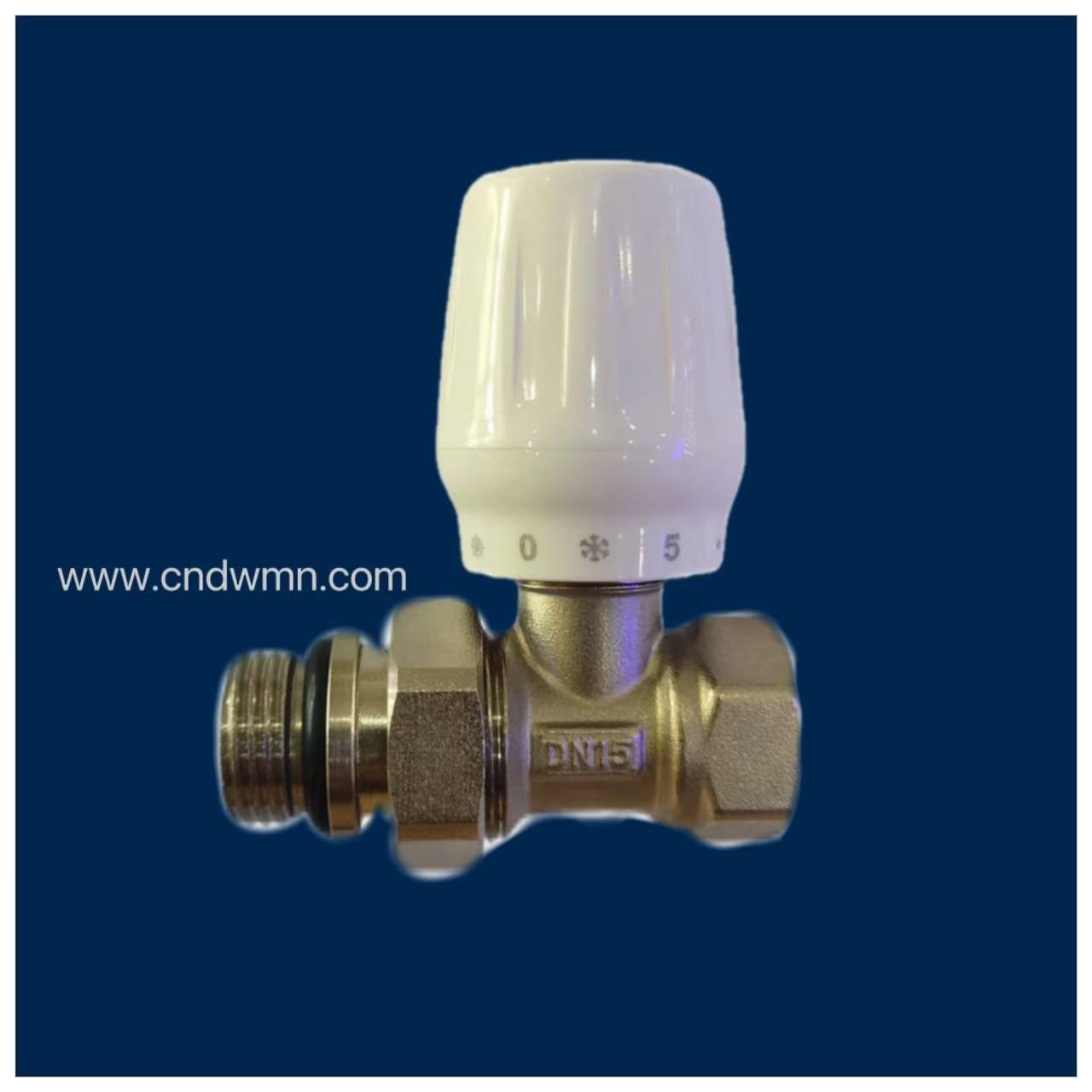
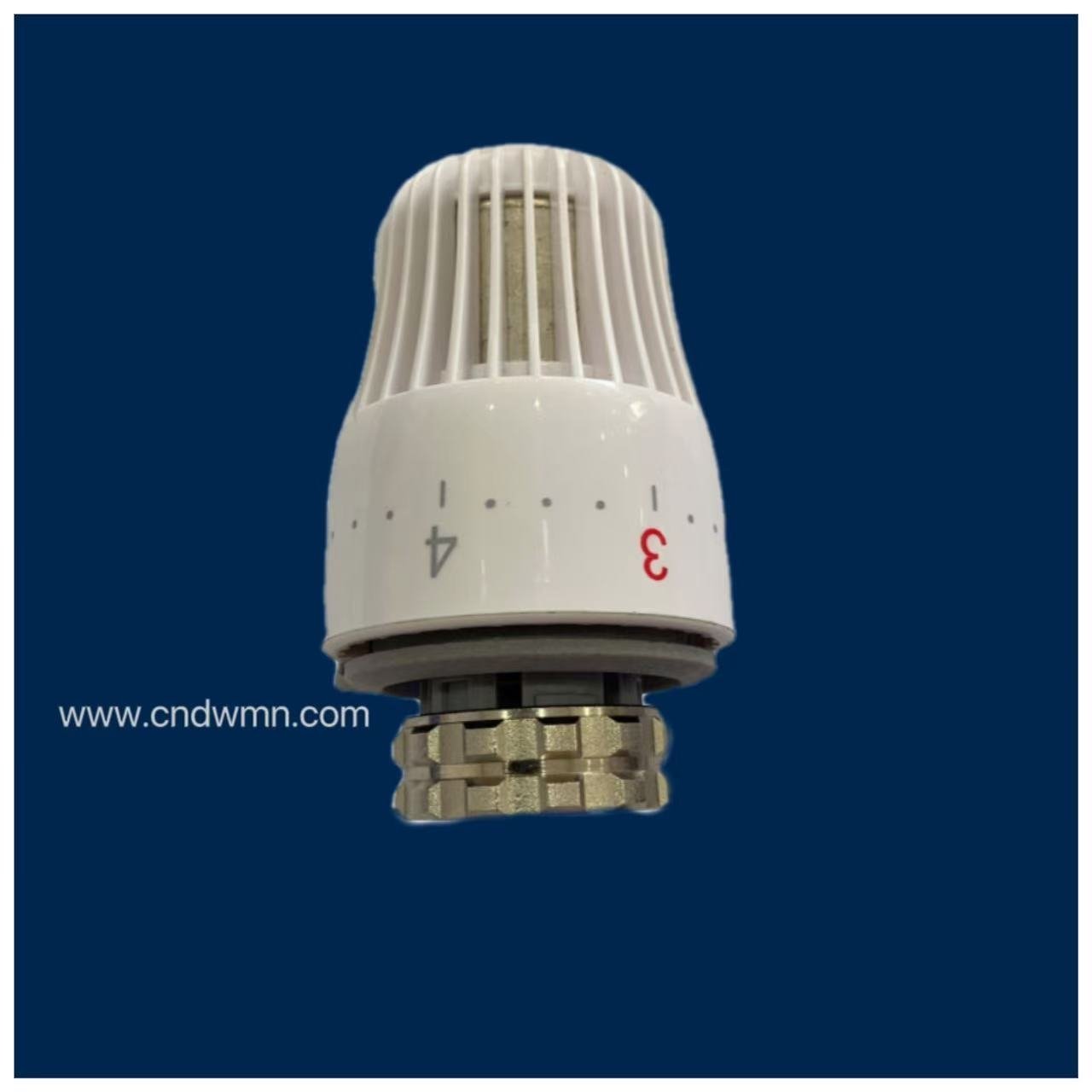
- Building Heating: This is the most common application area of thermostatic valves. In a centralized heating system, thermostatic valves installed on radiators or heating pipes can automatically adjust the hot water flow rate according to the indoor temperature. This not only improves indoor comfort but also achieves energy conservation and consumption reduction. In a household – metered heating system, thermostatic valves are key devices for realizing household heat metering and independent temperature adjustment.
- Industrial Process Control: In industrial production such as the chemical, pharmaceutical, and food processing industries, many technological processes have strict temperature requirements. Thermostatic valves can be installed on the pipelines of equipment such as reaction kettles and heat exchangers to accurately control the temperature of the fluid, ensuring the stability of the production process and product quality. For example, during the pharmaceutical manufacturing process, the temperature inside the reaction kettle needs to be strictly controlled within a specific range. Thermostatic valves can adjust the flow rate of the cooling or heating medium in real – time to ensure the quality and output of the medicine.
- Air – conditioning Systems: In central air – conditioning systems, thermostatic valves are used to control the flow rate of chilled water or hot water, adjusting the outlet air temperature of the air – handling unit to meet the temperature requirements of different areas. At the same time, in some small – scale air – conditioning systems, thermostatic valves can also be installed on the pipelines of indoor units to automatically adjust the flow rate of the refrigerant according to the indoor temperature, improving the energy efficiency and comfort of the air – conditioner.