






Introduction to Radiation – proof Doors
Radiation – proof doors are mainly used in places like hospitals, research institutions, and industrial flaw – detection sites. They can effectively block radiation from radioactive substances such as X – rays and γ – rays, protecting people from harm. Here is a brief introduction:
1. Structure
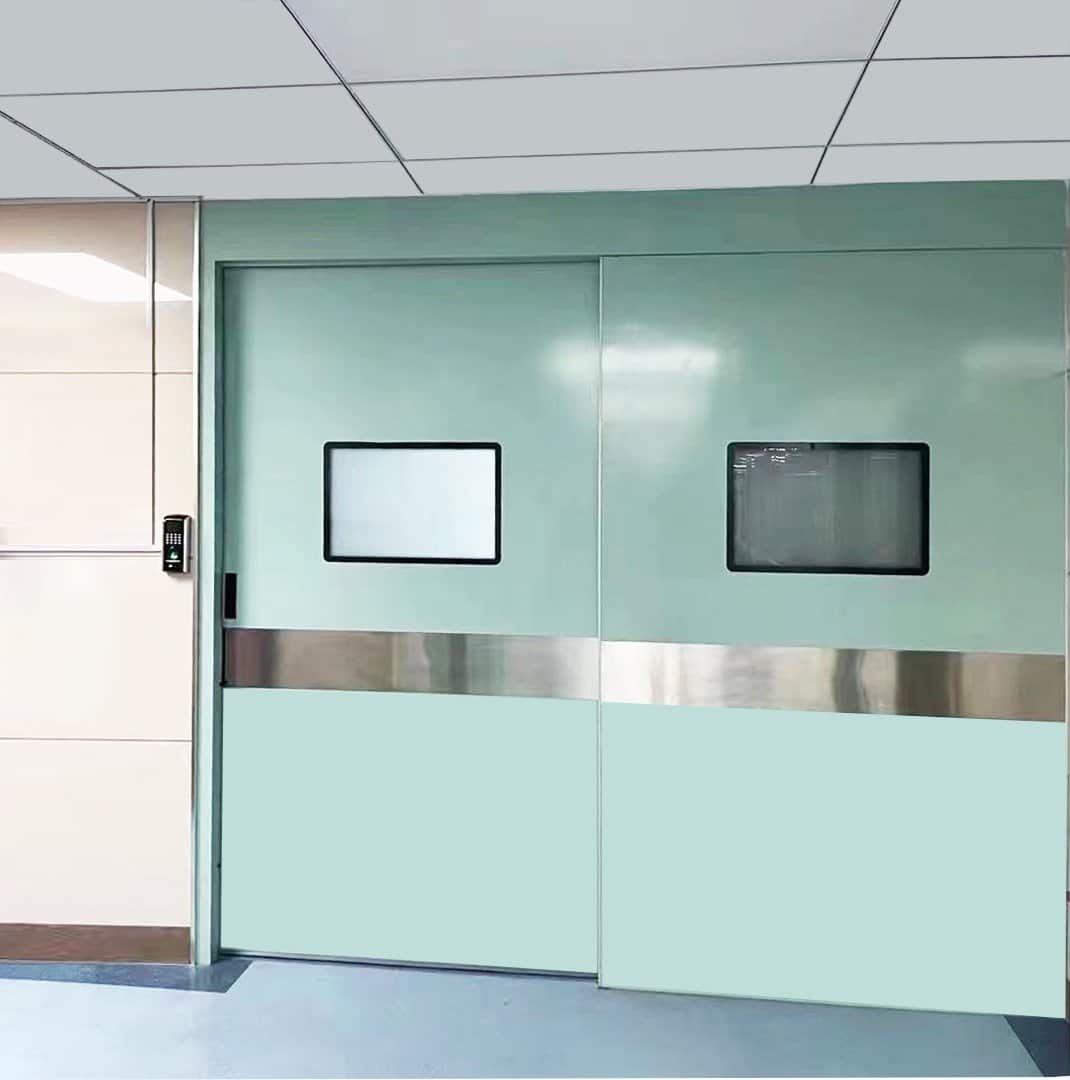
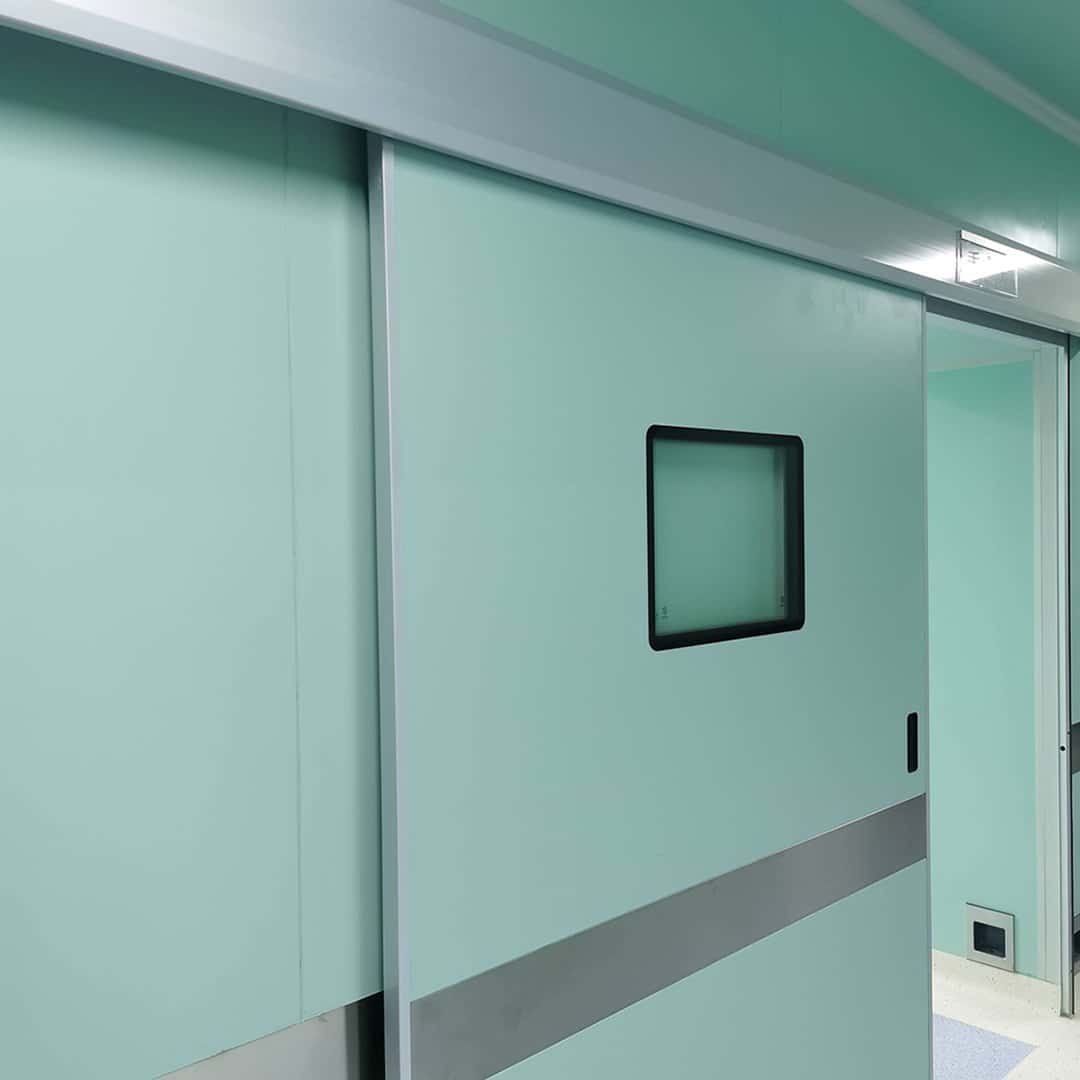
Generally, it consists of a door frame, door leaf, and hardware fittings. To ensure protection, it has a sturdy structure and good sealing performance. Single – leaf doors are simple and suitable for small spaces with low traffic. Double – leaf or multi – leaf doors are used in large passages or spaces for easy access of equipment and people.
Generally, it consists of a door frame, door leaf, and hardware fittings. To ensure protection, it has a sturdy structure and good sealing performance. Single – leaf doors are simple and suitable for small spaces with low traffic. Double – leaf or multi – leaf doors are used in large passages or spaces for easy access of equipment and people.
2. Materials
- Shielding layer: Lead plates are commonly used because lead has excellent shielding properties against radiation, effectively blocking rays from passing through. Materials like barium – containing concrete and steel plates are also used. Some new composite materials are being applied, reducing the door’s weight while maintaining shielding.
- Base and finish: The base is usually made of steel or high – strength aluminum alloy to ensure strength and stability. The finish materials vary. Stainless – steel plates are beautiful, durable, and easy to clean. Fire – proof boards are used in places with fire – prevention requirements.
3. Working Principle
Based on the principle of radiation absorption and scattering by substances. When radiation passes through the shielding layer of the radiation – proof door, like a lead plate, photons interact with lead atoms. Some energy is absorbed or scattered, weakening the radiation intensity after passing through the door and reducing the harm to the human body.
Based on the principle of radiation absorption and scattering by substances. When radiation passes through the shielding layer of the radiation – proof door, like a lead plate, photons interact with lead atoms. Some energy is absorbed or scattered, weakening the radiation intensity after passing through the door and reducing the harm to the human body.
4. Application Scenarios
- Medical field: They are important protective equipment in hospital radiology departments, such as X – ray rooms, CT rooms, and radiotherapy departments, protecting medical staff and patients from unnecessary radiation.
- Industrial flaw – detection: In industrial non – destructive testing, they are installed in flaw – detection workshops to prevent radiation leakage during the process and ensure the safety of surrounding workers.
- Research institutions: In places where radioactive substances are studied or experimented, radiation – proof doors are needed to avoid harm to researchers and ensure a safe experimental environment.