



Affordable Tactile Tiles for Public Spaces: A Comprehensive Guide

Tactile tiles, also known as tactile paving or detectable warning surfaces, play a crucial role in enhancing safety and accessibility in public spaces. These tiles are specially designed to assist visually impaired individuals by providing tactile feedback underfoot, helping them navigate their surroundings more easily. While the importance of tactile pavingtactile paving is widely recognized, there is often concern about the cost involved in implementing them. However, with careful planning and selection, it is possible to find affordable tactile pavings that meet safety standards without compromising quality. This article explores various aspects of affordable tactile tiles for public spaces, including their benefits, types, installation, and maintenance.
The Importance of tactile pavings in Public Spaces
First and foremost, tactile pavings are essential for creating accessible public spaces. They provide a tactile surface that alerts visually impaired pedestrians to changes in their environment, such as approaching a street crossing, stairs, or the edge of a platform. These tactile indicators help individuals navigate safely, reducing the risk of accidents. Moreover, tactile pavings are not just about safety; they also promote inclusivity by making public spaces more accessible to everyone, including people with disabilities. As more cities strive to meet accessibility standards and regulations, the demand for affordable tactile tiles continues to grow.
Types of Affordable Tactile Tiles
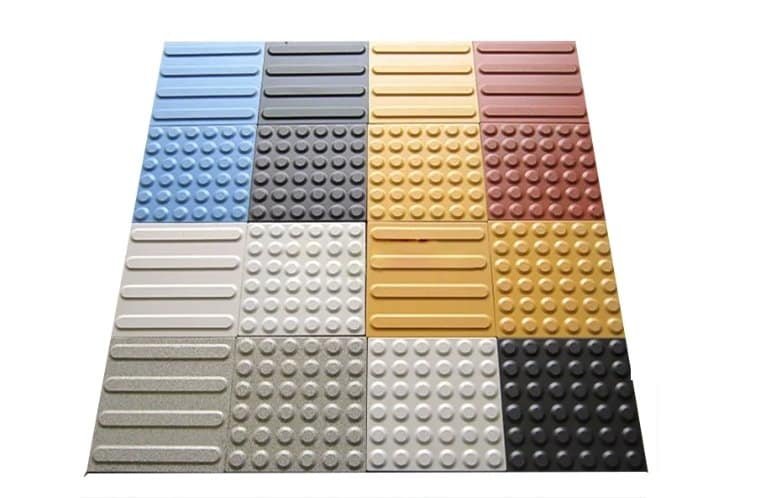
Several types of tactile pavings are available in the market, each offering different features and price points. Choosing the right type can help balance cost and functionality. Here are some common types:
1. Rubber Tactile Tiles
Rubber tactile pavings are a popular choice due to their affordability and durability. They are made from recycled rubber materials, which makes them an eco-friendly option. These tiles are flexible, easy to install, and resistant to weather conditions. Additionally, rubber tactile pavings come in various colors and patterns, allowing for customization to match the aesthetics of public spaces. They are also slip-resistant, making them a safe option for outdoor use.
2. Plastic tactile pavings
Plastic tactile tiles are another cost-effective option. Made from high-density polyethylene or other durable plastics, these tiles are lightweight and easy to handle. Plstic tactile pavings are often modular, which makes installation simple and quick. They offer good resistance to wear and tear and are available in various tactile patterns, such as truncated domes, which are commonly used to indicate street crossings and hazardous areas.
3. Concrete Tactile Tiles
Concrete tactile paving are known for their strength and longevity. While they may be slightly more expensive than rubber or plastic options, they provide excellent durability, making them a cost-effective choice in the long run. Concrete tiles can withstand heavy foot traffic and are highly resistant to weather conditions, making them suitable for high-traffic public areas. Additionally, manufacturers often offer concrete tactile pavings in various colors and textures, ensuring that they can be integrated seamlessly into different urban environments.
Installation Tips for Cost-Effective Tactile Tiles
Choosing affordable tactile tiles is only part of the equation. Proper installation is key to ensuring their effectiveness and longevity. Here are some tips for installing tactile pavings cost-effectively:
1. Prepare the Surface Properly
Proper surface preparation is crucial for a successful installation. Clean the area thoroughly, removing any debris, dirt, or existing adhesive. A clean, smooth surface ensures better adhesion and reduces the likelihood of tiles coming loose over time, which can lead to costly repairs.
2. Use Adhesive and Mechanical Fixings
Combining adhesive with mechanical fixings (such as screws or anchors) provides a more secure installation. This method reduces the risk of tiles becoming dislodged, especially in high-traffic areas or places exposed to harsh weather conditions. Investing in a reliable installation method can save money on maintenance and replacements in the future.
3. Follow Manufacturer Guidelines
Always adhere to the manufacturer’s guidelines for installation. These guidelines provide specific instructions on the type of adhesive to use, the spacing between tiles, and other critical factors. Following these guidelines helps ensure that the tactile tiles are installed correctly and function as intended, reducing the likelihood of needing to replace them prematurely.
Maintenance of Affordable Tactile Tiles
Regular maintenance is essential to keep tactile tiles in good condition and extend their lifespan. Fortunately, most tactile pavings require minimal maintenance. Here are some tips:
1. Regular Cleaning
Dirt, grime, and debris can accumulate on tactile pavings over time, reducing their effectiveness. Regularly clean the tiles using a mild detergent and water to keep them clear and functional. Avoid using harsh chemicals, as they can damage the tile surface.
2. Inspect for Damage
Periodically inspect tactile pavings for signs of wear and tear, such as cracks, chips, or loose tiles. Promptly address any issues to prevent accidents and maintain safety. Replacing damaged tiles immediately ensures that the tactile paving remains effective.
3. Prevent Water Accumulation
Water accumulation can cause tactile tiles to become slippery, posing a hazard to pedestrians. Ensure that the drainage system around the tiles is functioning correctly to prevent water from pooling on the surface. This simple measure helps maintain the slip resistance of the tiles.
Conclusion
Affordable tactile pavings are essential for creating safe and accessible public spaces. By understanding the different types of tactile pavings available, choosing cost-effective options, and following proper installation and maintenance practices, cities and communities can enhance the safety and inclusivity of their environments without breaking the budget. Whether opting for rubber, plastic, or concrete tiles, investing in affordable tactile pavings is a smart decision that benefits everyone, especially those with visual impairments. With careful planning and implementation, tactile tiles can make public spaces safer, more navigable, and welcoming to all.
Reference:tactile paving