







Characteristics
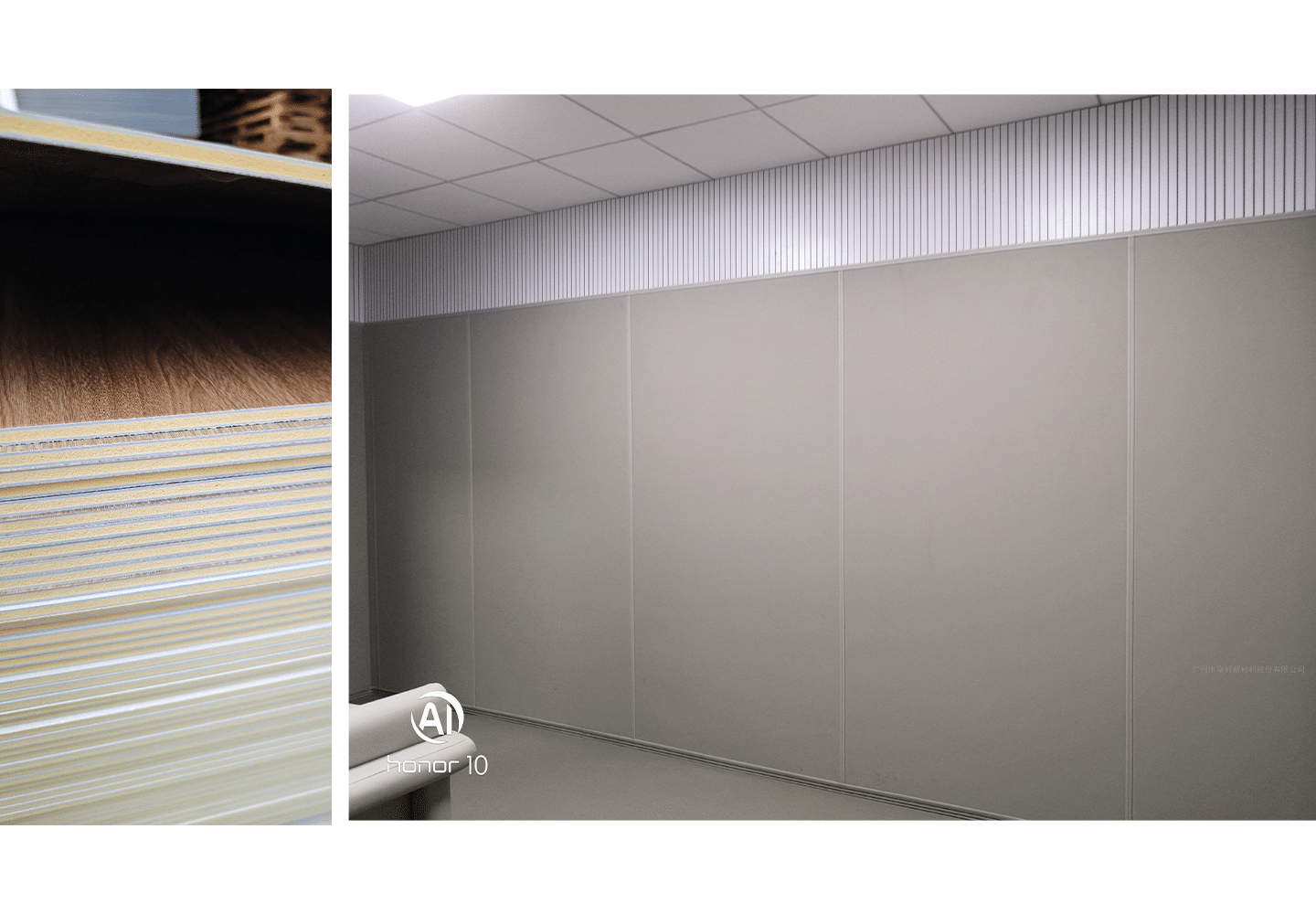
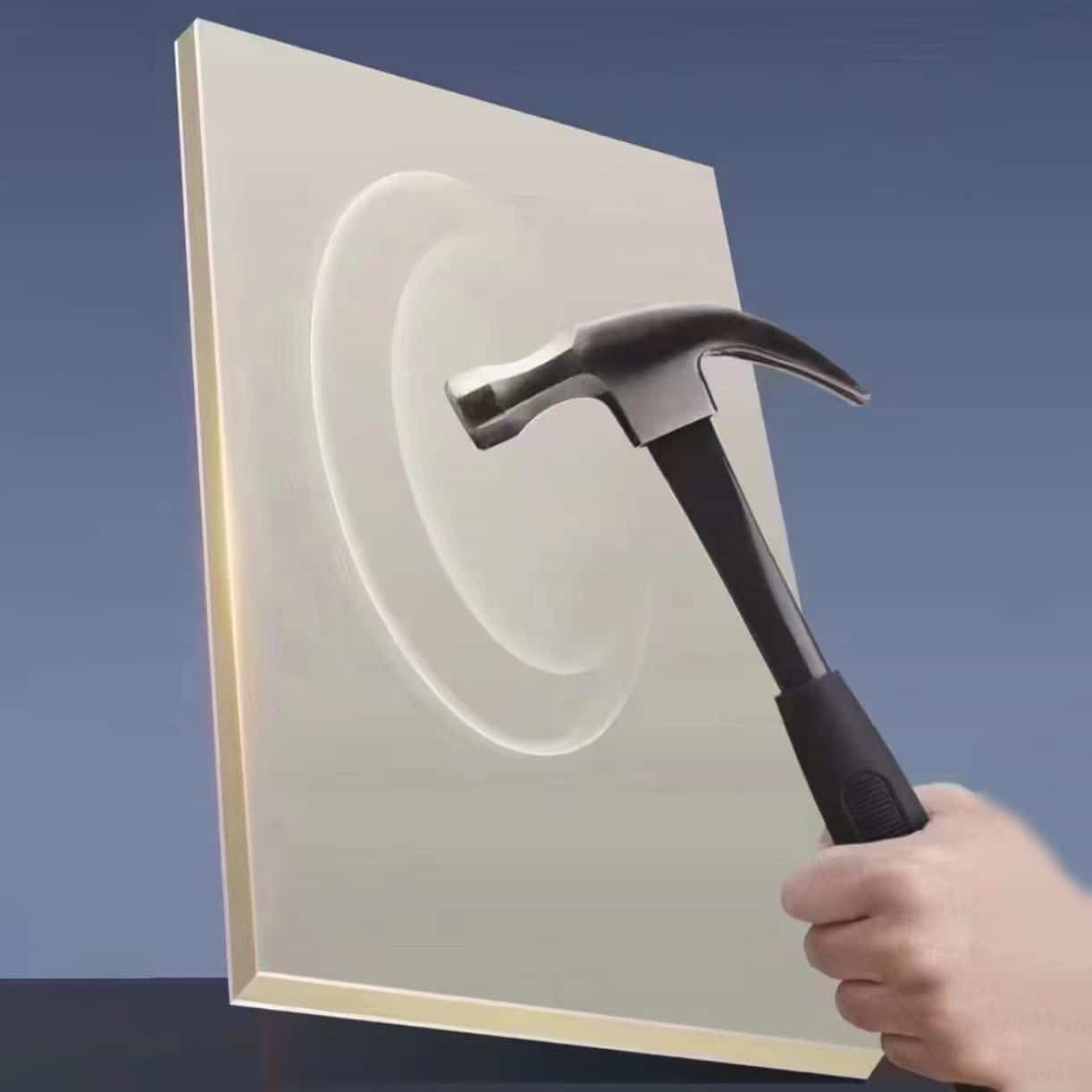
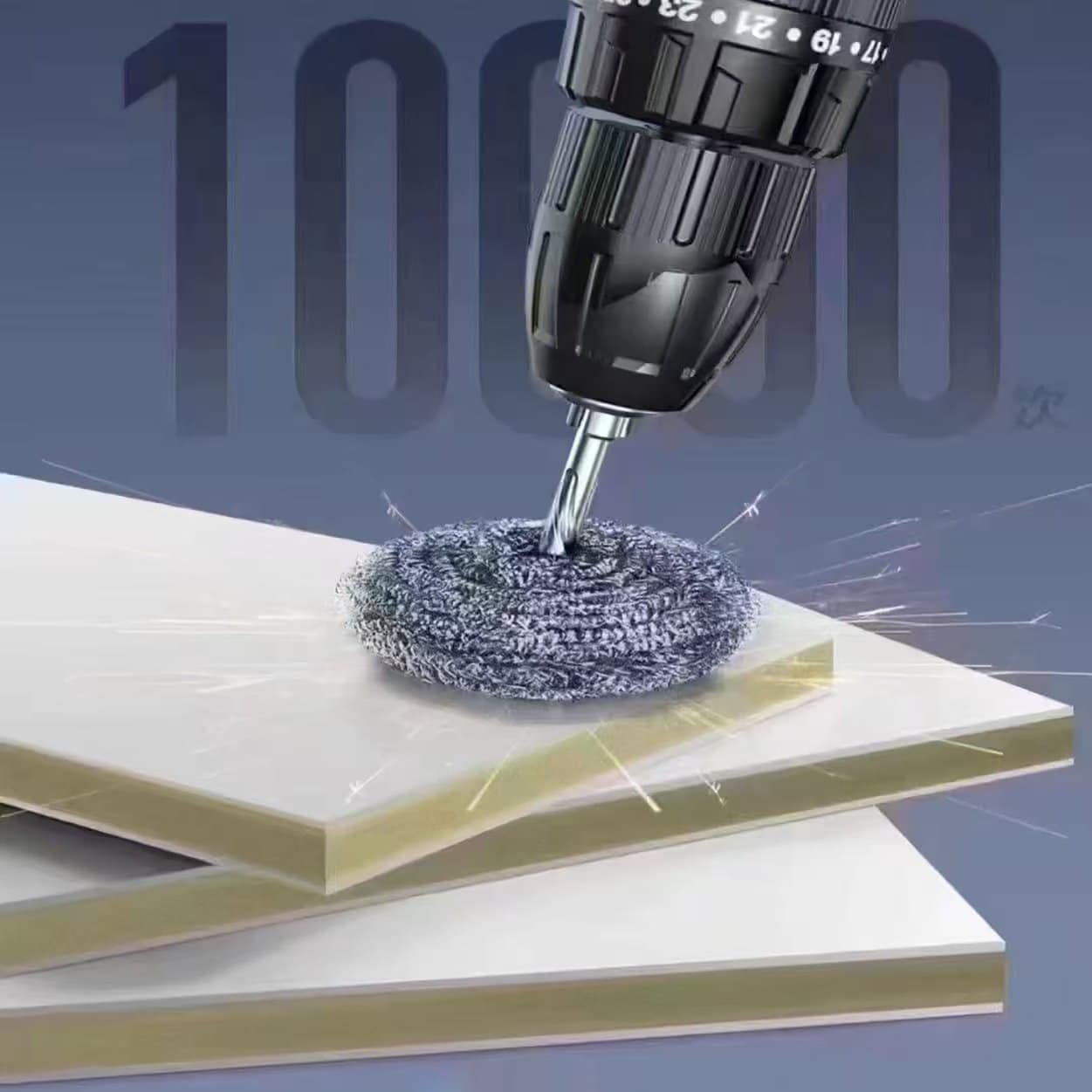
- High Impact Resistance: They are capable of withstanding significant impact forces without getting severely damaged or deformed, ensuring the protection of the walls.
- Good Shock Absorption: They can effectively absorb and dissipate impact energy, reducing the force transferred to the wall and thus minimizing potential damage.
- Sound Insulation: Many anti-collision interior wall panels have sound insulation properties, which can help create a quieter indoor environment by reducing noise transmission.
- Fire Resistance: Some types of anti-collision wall panels are made of fire-resistant materials, providing an additional layer of safety in case of fire.
- Easy Installation and Maintenance: They are usually designed to be easy to install, with simple installation methods such as snapping or gluing. Maintenance is also relatively convenient, as they can be easily cleaned and replaced if damaged.
Applications
- Hospitals and Nursing Homes: In these places, anti-collision interior wall panels are used to protect patients and elderly people from getting injured when they move around. They can also prevent damage to the walls caused by medical equipment and trolleys.
- Kindergartens and Schools: They are installed in corridors, classrooms, and activity rooms to protect children from getting hurt in case of collisions. The soft materials used in some panels can provide a safer environment for children’s activities.
- Industrial Buildings: In factories and warehouses, they are used to protect the inner walls from impacts caused by forklifts, transport vehicles, and goods handling. This helps to maintain the structural integrity of the buildings and reduce maintenance costs.
- Public Buildings: In shopping malls, office buildings, and hotels, anti-collision interior wall panels are used in areas such as corridors, stairwells, and elevator halls to enhance safety and protect the walls from daily wear and tear and potential collisions.