




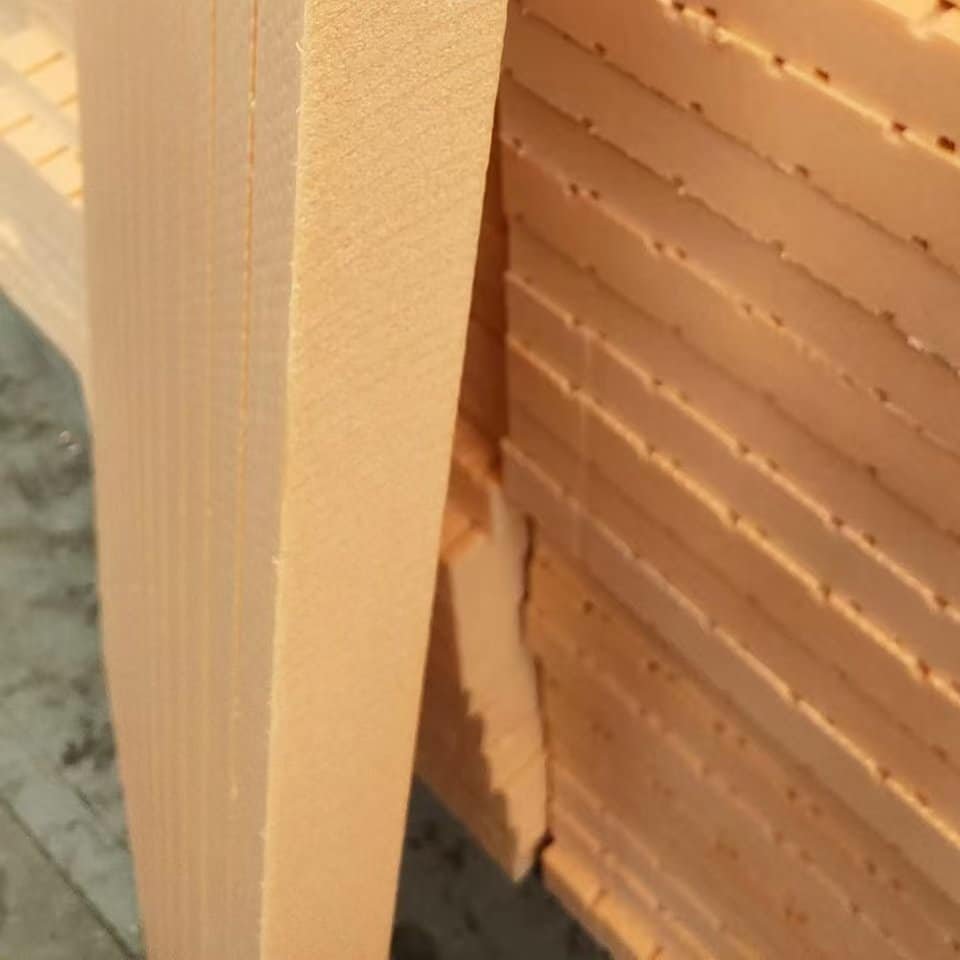
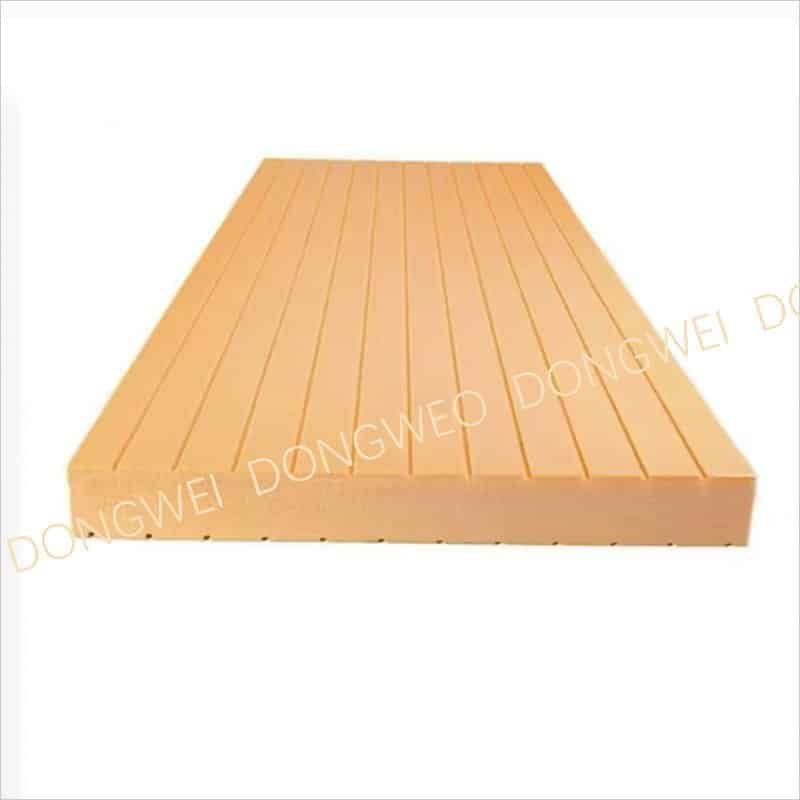
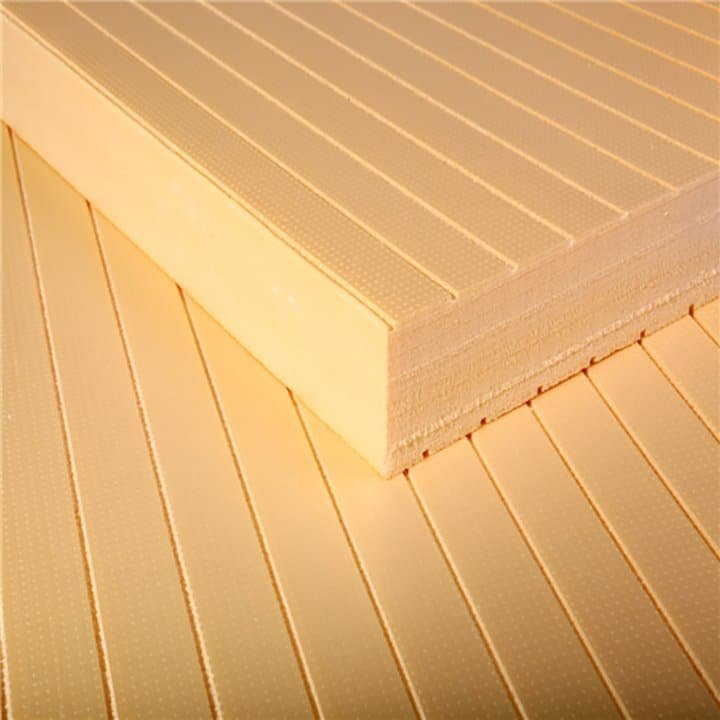
What is XPS Board?
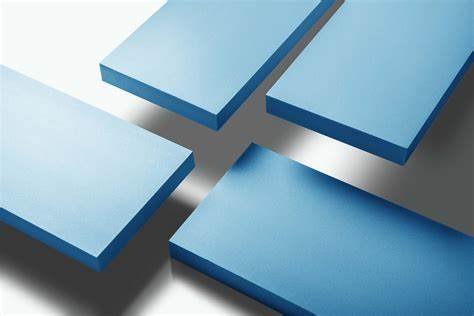
XPS board is a foam material made from polystyrene raw materials, which are extruded at high temperatures to form a closed-cell structure. This structure gives XPS boards excellent properties, such as thermal insulation, compressive strength, moisture resistance, and aging resistance. With its light weight and high strength, XPS boards are widely used in construction applications such as external wall insulation, basement moisture protection, and floor insulation.
Key Advantages of XPS Boards
Exceptional Insulation Performance
XPS boards feature a closed-cell structure that results in a very low thermal conductivity. This makes them highly efficient for thermal insulation, providing excellent performance in both cold and hot climates. XPS boards help reduce energy consumption by maintaining a stable indoor temperature, thereby improving the energy efficiency of buildings.
Outstanding Moisture Resistance
XPS boards are known for their excellent moisture resistance. Their closed-cell structure prevents water from penetrating, making them ideal for use in wet environments. As a result, XPS boards are widely used in basements, external walls, and roofs, effectively preventing moisture from damaging the building structure and extending the lifespan of the building.
High Compressive Strength
XPS boards have a high compressive strength, allowing them to withstand heavy loads without deforming. This makes them an excellent choice for applications in floor insulation, road surface insulation, and infrastructure construction. XPS boards maintain their shape and insulating properties under long-term pressure, making them particularly suitable for areas that bear heavy loads.
Lightweight and Strong
Despite their low density, XPS boards are lightweight yet highly durable. Compared to traditional insulation materials, XPS boards are easier to handle and install, reducing labor intensity and improving construction efficiency.
Durability and Aging Resistance
XPS boards are durable and resistant to aging, making them suitable for long-term use in various environments. They can withstand ultraviolet radiation, oxidation, and other harsh environmental conditions, maintaining stable performance and ensuring long-lasting insulation effectiveness.
How to Choose the Right XPS Board?
Thickness and Density: Different thicknesses and densities of XPS boards offer varying levels of insulation performance. Choose the appropriate thickness and density based on the specific thermal insulation requirements of your building.
Compressive Strength: The compressive strength of XPS boards should be selected based on the application. For example, areas that bear heavy loads, such as floors or roads, require higher compressive strength, while wall insulation can use lower-density boards.
Moisture Resistance and Waterproofing: For basement or wet environments, select XPS boards with better moisture resistance to ensure long-lasting performance.
Environmental Friendliness: If environmental impact is a concern, choose XPS boards that meet green building standards. These products are not only environmentally friendly but can also be recycled during the demolition of buildings.
| S.N. | Product | GRADE | KG/m³ | UNIT |
| 1 | Blue Extruded Polystyrene Board | B1 Flame Retardant | 30kg/m³ | m³ |
| 2 | Blue Extruded Polystyrene Board | B1 Flame Retardant | 35kg/m³ | m³ |
| 3 | Bright Yellow Extruded Polystyrene Board | B1 Flame Retardant | 30kg/m³ | m³ |
| 4 | Bright Yellow Extruded Polystyrene Board | B1 Flame Retardant | 35kg/m³ | m³ |
Conclusion
As a high-performance thermal insulation, moisture protection, and compressive strength material, XPS boards have become an indispensable part of the construction industry. Whether in residential, commercial, or industrial applications, XPS boards provide effective solutions to enhance the energy efficiency, comfort, and durability of buildings. When selecting XPS boards, consider factors such as thickness, density, compressive strength, and environmental impact to choose the most suitable product for your project.
By using XPS boards effectively, you can improve a building’s insulation performance, reduce energy consumption, and extend its lifespan, ultimately reducing maintenance costs.