





Product Description
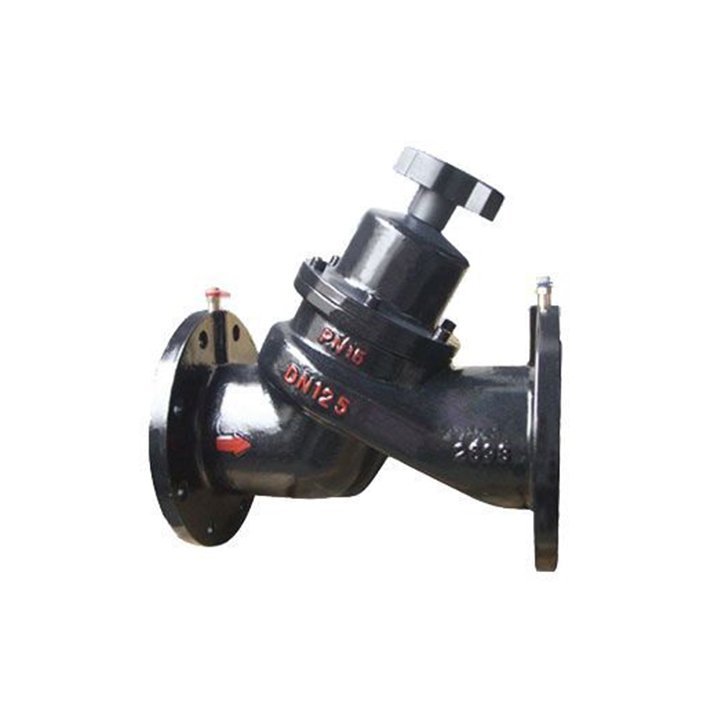
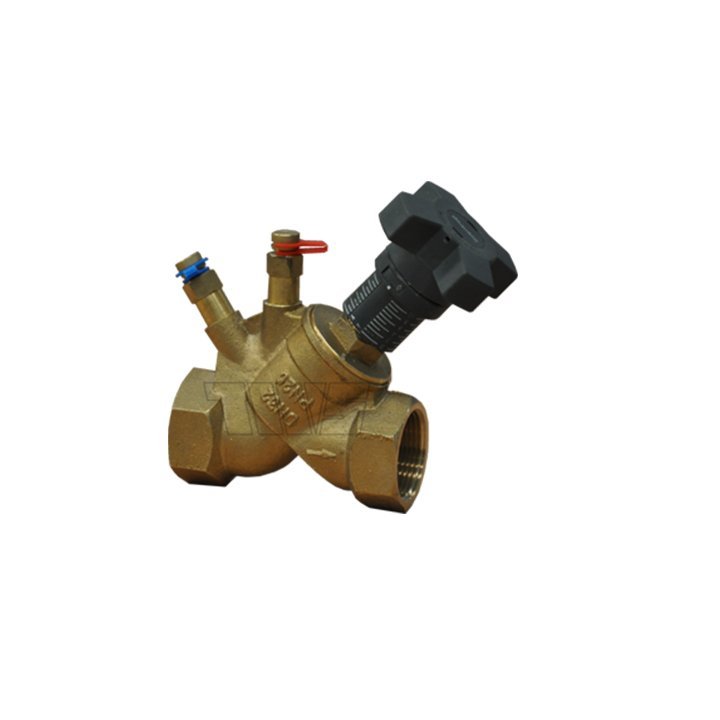
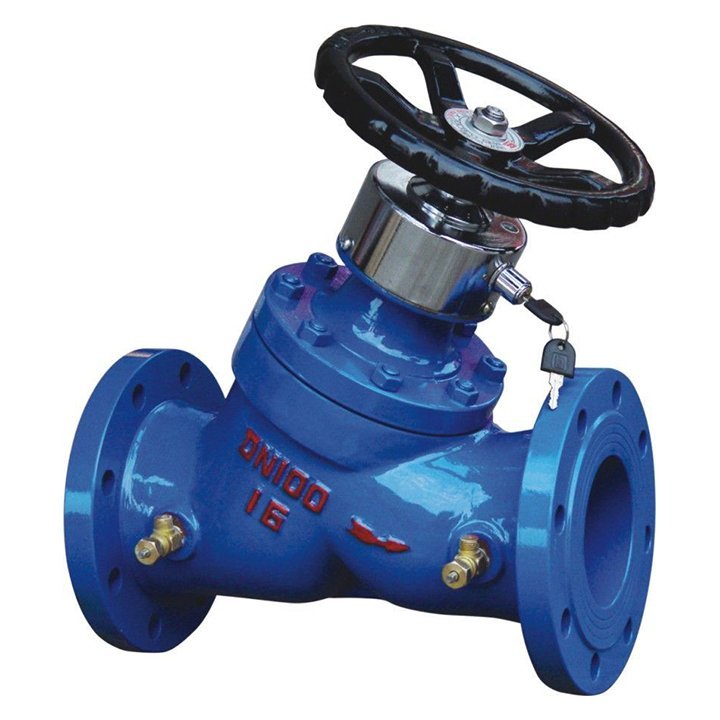
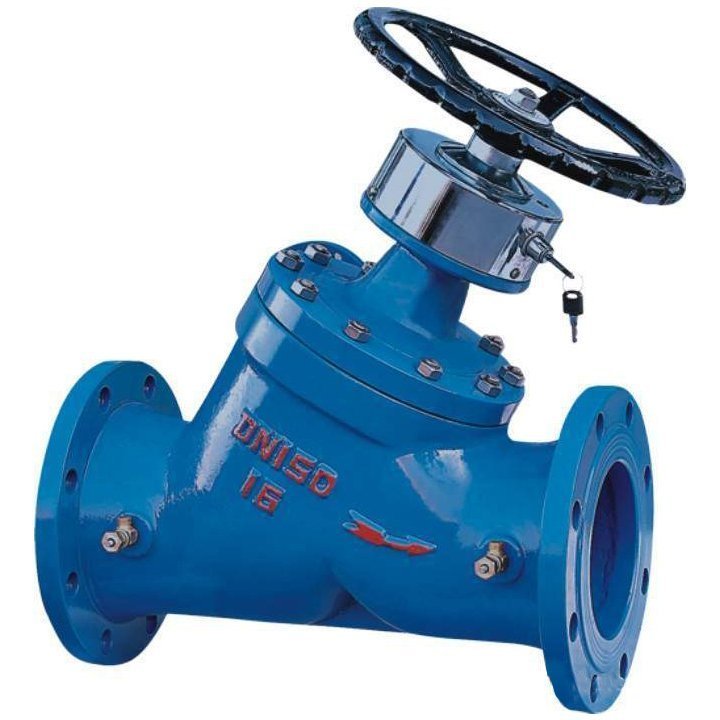
Balance valve is a type of valve typically installed in heating supply pipelines and widely utilized in systems such as HVAC, water supply, and drainage. The balance valve is designed to control the flow rate of water and prevent excessive pressure, playing a vital role in maintaining the optimal functioning of heating supply systems.
Characteristics of Balance Valve
- Flow Regulation: Balance valves can precisely adjust the flow of fluids, ensuring that each part of the system receives an appropriate water flow and preventing excessive or insufficient water pressure.
- Pressure Control: In heating supply systems, balance valves help control water pressure within pipelines, preventing situations of excessive or insufficient pressure and ensuring the stable operation of the system.
- Wide Application: Balance valves are not only common in heating supply systems but also widely used in HVAC, water supply, and drainage systems, playing a crucial role in various applications.
- System Balancing: By adjusting the opening of balance valves, it is possible to achieve an overall balance in the system, preventing uneven distribution of flow caused by unequal resistance in pipelines.
- Water Hammer Prevention: The design of balance valves contributes to preventing water hammer phenomena, maintaining the safety of the system.
- Reliability: As a vital component of heating supply systems, balance valves exhibit high reliability, ensuring the prolonged and stable operation of the system.
Types of Balance Valves
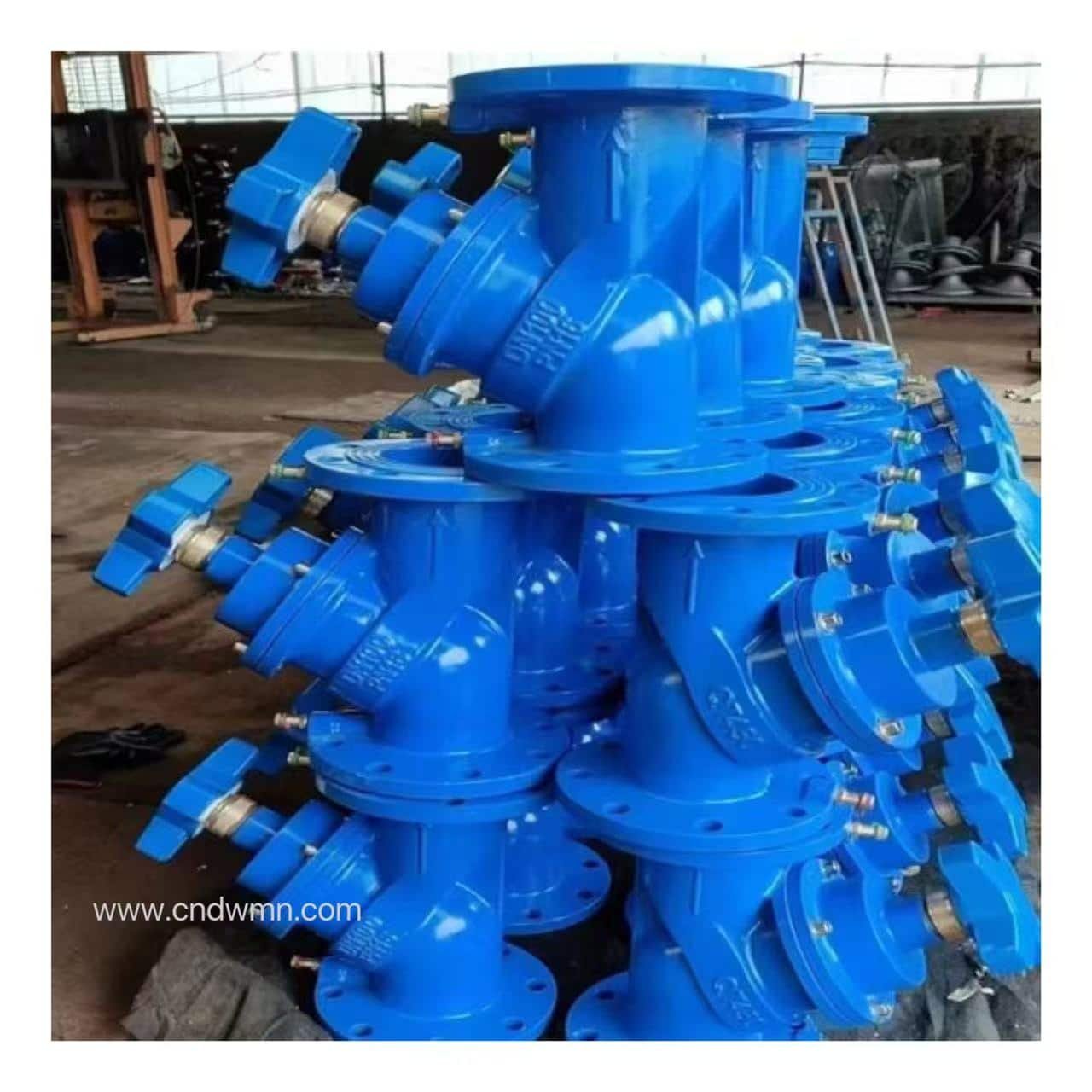
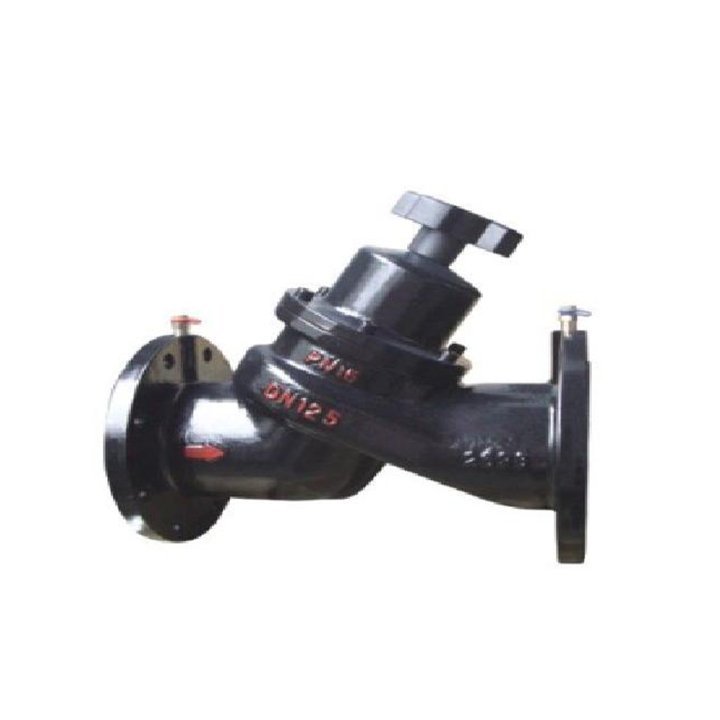
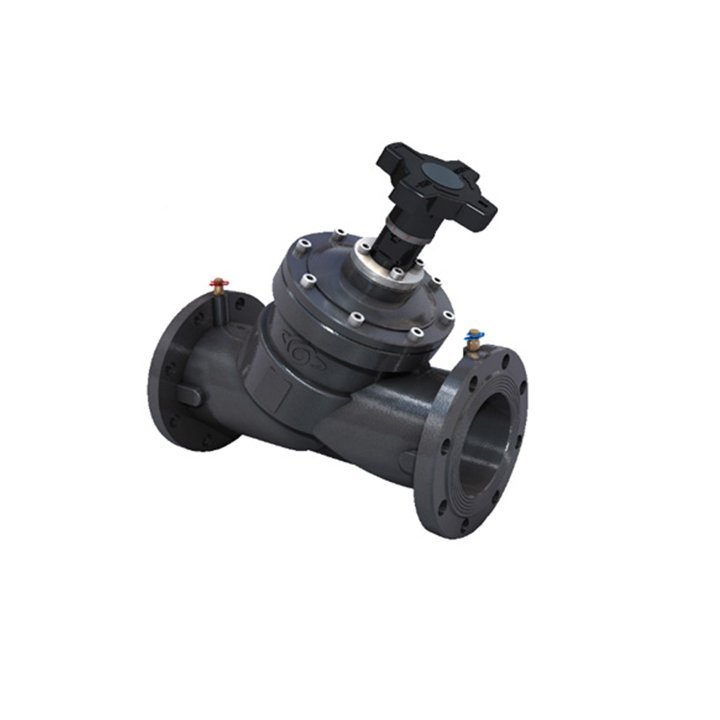
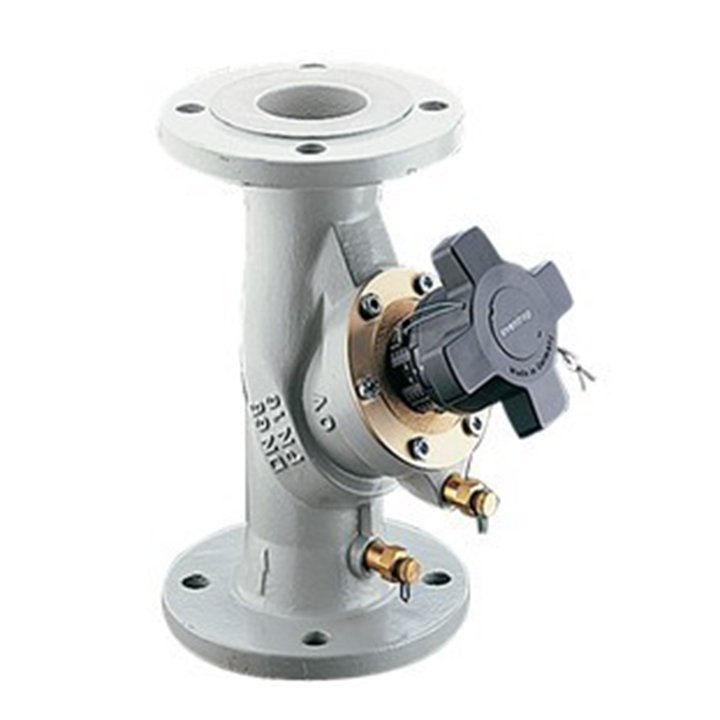
Static Hydraulic Balance Valve (Static Balance Valve):
Static balance valves exhibit excellent flow regulation characteristics, open/close indication, and locking functions.Their adjustment performance includes characteristics curves that are close to linear or logarithmic (percentage).These valves are used for system commissioning to achieve hydraulic balance as per design requirements.However, they do not automatically adjust resistance when there are changes in pressure differentials within the system.
Self-Acting Flow Control Valve:
Also known as a flow control valve, it automatically adjusts the valve’s flow area within a certain pressure range without external power.
Widely used in large heating systems, each branch equipped with flow control valves helps distribute flow and eliminate interference between branches.
Self-Acting Pressure Control Valve:
Also known as a pressure control valve, it automatically controls pressure within a specific range without external power.Divided into supply water type and return water type based on installation location.Installing pressure control valves in each branch of a closed water system helps maintain a constant pressure differential, enhancing system stability.
Dynamic Balance Valve with Electric Control Function:
These valves incorporate electric control features, combining dynamic balance functions with load adjustment capabilities.Unlike regular dynamic balance valves, these valves can adjust water flow based on load changes.Examples include dynamic balance electric control valves and dynamic balance electric two-way valves.Suitable for variable flow systems with significant load fluctuations.