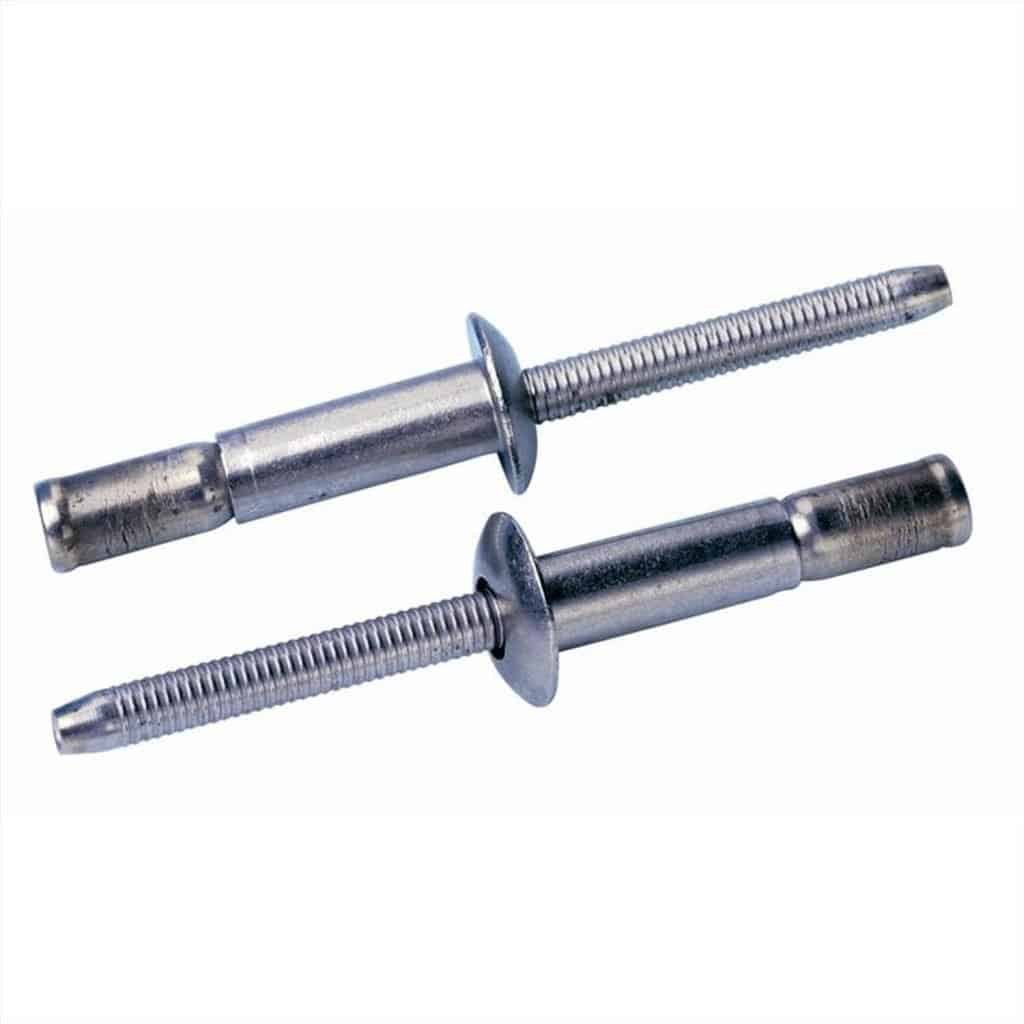




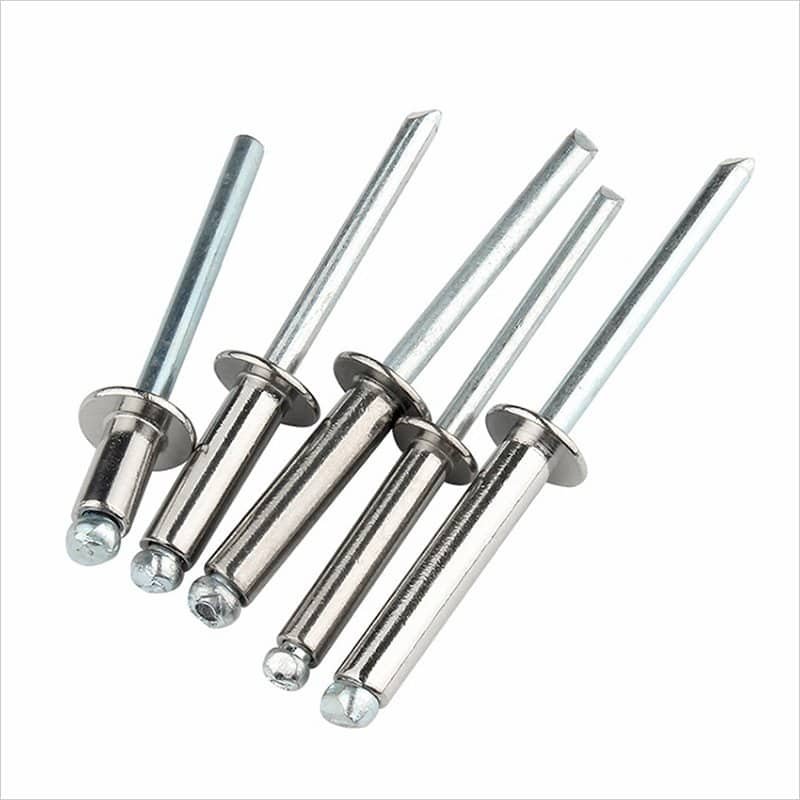
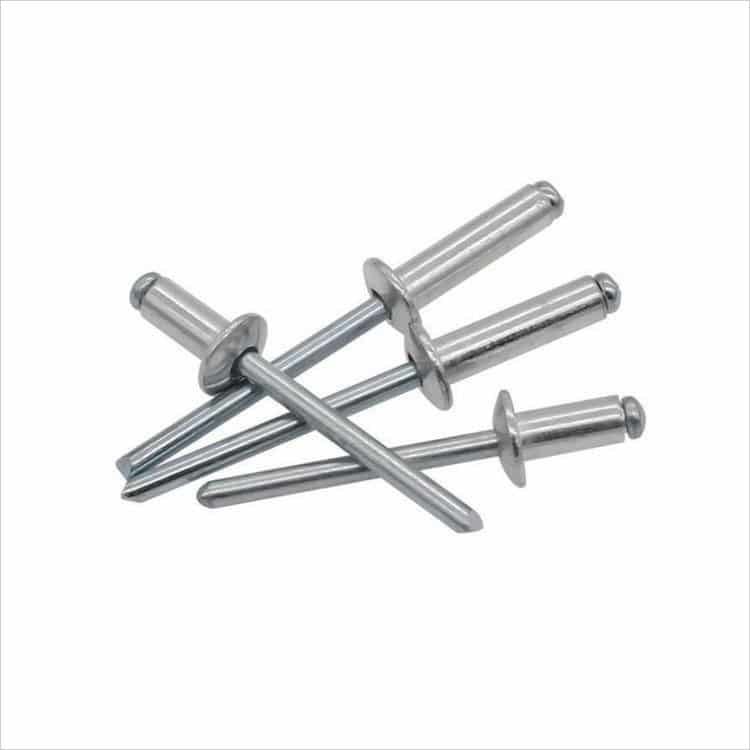
| Product Name | Specification | Unit | Quantity per Bag |
| Blind Rivets | 4*16mm | bag | 20300 pieces/bag |
I. Basic Characteristics and Advantages of Blind Rivets
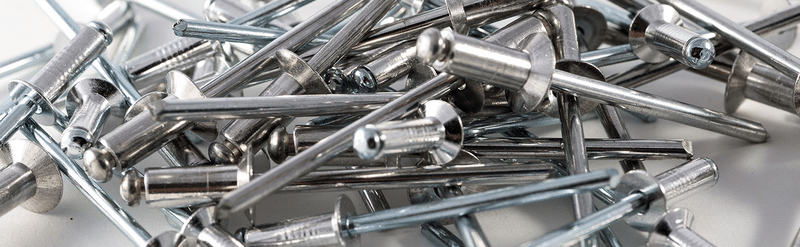
1. Diverse Materials
Blind rivets can be made from a variety of materials to meet different construction environments and requirements. Common ones include aluminum alloy blind rivets, which are lightweight and corrosion – resistant. They are suitable for building parts where weight is a concern and the environment is relatively mild, such as the connection of some light – weight steel structures. Stainless – steel blind rivets, on the other hand, excel in environments with high humidity or corrosive media (such as coastal buildings or those near chemical plants) due to their excellent corrosion resistance. They can effectively prevent rusting and ensure the long – term reliability of the connection. Carbon – steel blind rivets are high in strength and relatively low in cost, often used for the connection of building structures where high strength is required but the demand for corrosion resistance is not extremely strict.
2. Convenient and Efficient Installation
In construction projects, time is money, and efficiency is of great significance. The installation of blind rivets does not require complex tools or cumbersome procedures. Only a special rivet gun is needed. Insert the blind rivet into the pre – drilled hole, and then the installation can be completed by the pulling force of the rivet gun. This rapid installation feature significantly shortens the construction period and improves construction efficiency. Especially in large – scale construction projects, it can save a significant amount of labor and time costs.
3. Strong and Reliable
Despite their small size, blind rivets can provide remarkable connection strength. Through careful design and strict testing, blind rivets can withstand large tensile forces, shear forces, and torques, ensuring the stable connection between building components. For example, in steel – structure buildings, blind rivets can firmly connect important components such as steel beams, columns, and foundations, forming a stable frame structure capable of withstanding various external forces, such as wind and seismic forces, and guaranteeing the safety of the building.
4. Good Sealing Performance
Some blind rivets have excellent sealing properties, which is particularly important for certain parts of buildings. For example, in the connection of exterior wall decorative panels, the use of blind rivets with sealing performance can effectively prevent rainwater, dust, etc., from entering the interior of the wall. This avoids building damage and shortens the service life caused by water seepage and dust accumulation. At the same time, it also helps to improve the building’s thermal insulation performance and overall aesthetics.
II. Specific Application Scenarios of Blind Rivets in Construction
1. Steel – Structure Buildings
Steel – structure buildings are widely used in modern construction due to their high strength, light weight, and fast construction speed. Blind rivets are mainly used in steel – structure buildings for the connection of beams and columns, beams and beams, columns and foundations, etc.
For example, in the construction of industrial plants, a large number of steel beams and columns are connected into an integral frame through blind rivets, forming a stable spatial structure that provides a safe space environment for the equipment and personnel in the plant. In addition, the roofing and wall systems of steel – structure buildings are also often fixed with blind rivets, ensuring the tight connection between the roofing and wall materials and the steel – structure framework, preventing loosening and falling off due to factors such as wind force.
2. Curtain Wall Projects
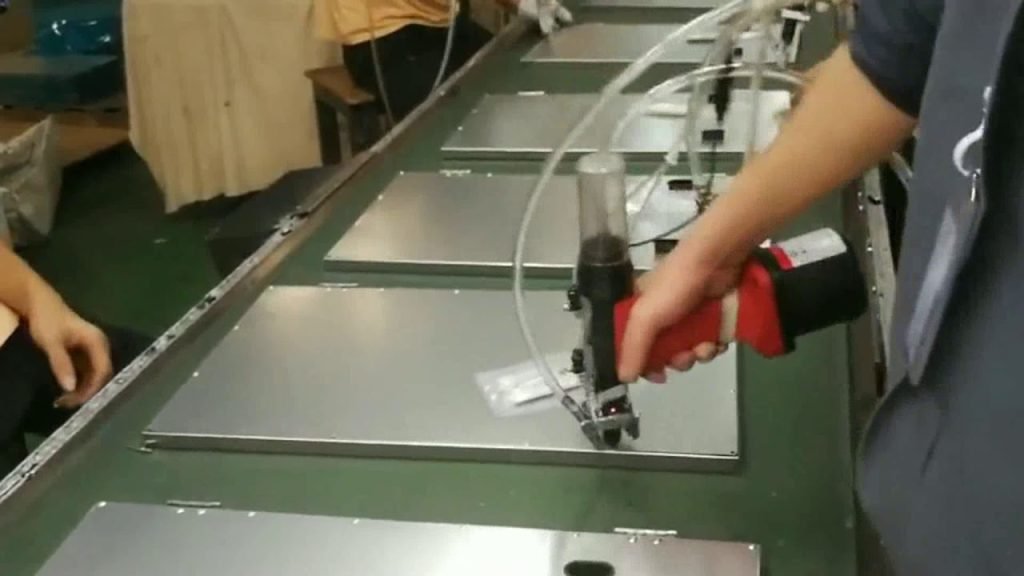
The curtain wall is an important part of the appearance of modern buildings. It not only serves as a decorative function but also has a certain enclosure function. Blind rivets are used in curtain wall projects to connect and fix curtain – wall panels (such as glass, aluminum panels, stone, etc.) to the curtain – wall keel. Since the curtain wall is usually located on the exterior facade of the building and needs to withstand factors such as wind load, seismic load, and temperature changes, the requirements for the strength and reliability of the connectors are extremely high. Blind rivets, with their high strength and good seismic performance, can ensure the stability and safety of the curtain – wall panels under various working conditions. At the same time, their convenient installation is conducive to improving the construction efficiency of the curtain wall and ensuring the flatness and aesthetics of the curtain wall.
3. Door and Window Installation
Doors and windows are important parts of buildings for energy exchange with the external environment and personnel passage. The installation quality of doors and windows directly affects the building’s functionality and energy – saving effect. Blind rivets are used in door and window installation to connect and fix the door and window frames to the wall. Compared with traditional connection methods, blind – rivet connection is more secure, effectively preventing the deformation and loosening of doors and windows during use due to uneven stress. It also facilitates the disassembly and replacement of doors and windows, providing convenience for later maintenance and repair.
4. Interior Decoration
Blind rivets also have their uses in interior decoration. For example, in the connection of some decorative partitions and ceiling frameworks, blind rivets can quickly and firmly connect various components together to form a stable structure. In addition, for some furniture or decorative components that need to be frequently disassembled and moved, such as detachable display racks and movable partitions, the use of blind rivets enables flexible installation and disassembly, meeting the diverse needs of interior space layout.
III. Precautions for the Application of Blind Rivets in Construction
1. Material Selection
Select the material of blind rivets reasonably according to the building’s use environment and functional requirements. For example, in corrosive environments such as coastal areas or near chemical plants, stainless – steel blind rivets should be preferred; for general civil buildings, aluminum – alloy blind rivets may be a more cost – effective choice. At the same time, ensure that the selected blind – rivet materials meet relevant national standards and industry specifications to guarantee their quality and performance.
2. Specification Matching
The specifications of blind rivets should match the thickness of the connected components and the diameter of the holes. If the blind – rivet specifications are too small, they may not provide sufficient connection strength; if they are too large, it may lead to difficult installation and even damage to the connected components. Before construction, carefully check the specification parameters of blind rivets and make a reasonable choice according to the actual situation.
3. Installation Quality Control
Although the installation of blind rivets is relatively simple, attention still needs to be paid to the installation quality. During installation, ensure that the pulling force of the rivet gun is appropriate, avoiding too little pulling force resulting in loose connection or too much pulling force damaging the blind rivets. At the same time, ensure that the installation position of the blind rivets is accurate, and the rivet rod should be perpendicular to the connected surface to ensure the uniformity and reliability of the connection. After installation, conduct necessary inspections, such as checking whether the head of the blind rivet is flat and whether the rivet sleeve is fully deformed, to ensure that each blind rivet can function properly.
4. Co – use with Other Connectors
In some complex building structures, blind rivets may need to be used in combination with other connectors (such as bolts, welding, etc.) to meet the strength and stability requirements of the structure. During the design and construction process, fully consider the characteristics and interactions of various connectors, and develop a reasonable connection plan to ensure the safety and reliability of the entire building structure.
As an important connector for construction materials, blind rivets are widely used in the construction field due to their unique advantages. They play an important role in steel – structure buildings, curtain – wall projects, door and window installations, and interior decorations, providing a strong guarantee for the stability and safety of buildings. In the future development of construction, with the continuous innovation and progress of construction technology, blind rivets will also be continuously improved and optimized to better meet the development needs of the construction industry and contribute to the creation of safer, more beautiful, and more comfortable building spaces.