







Product Description
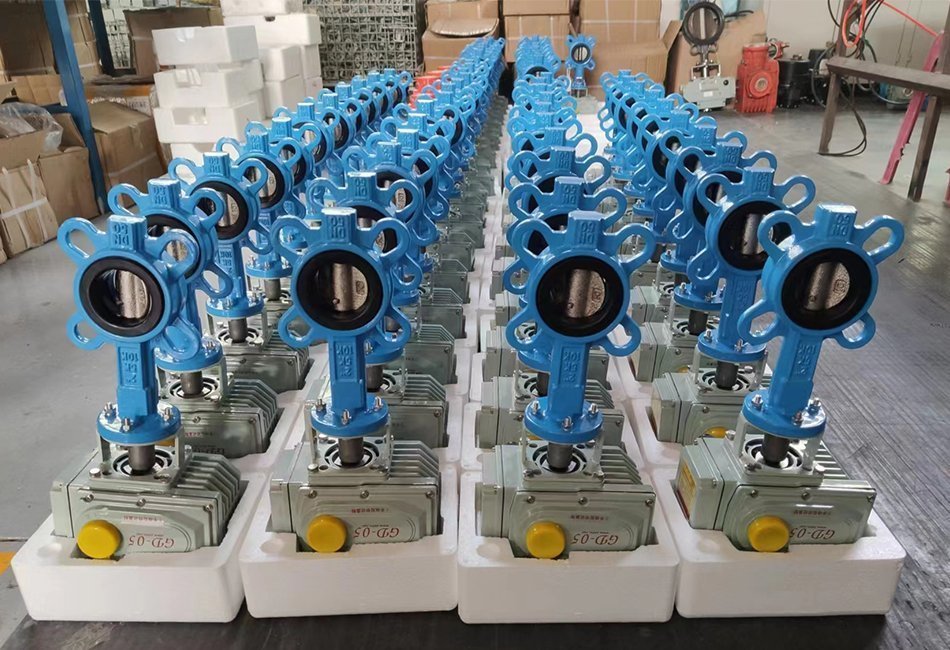
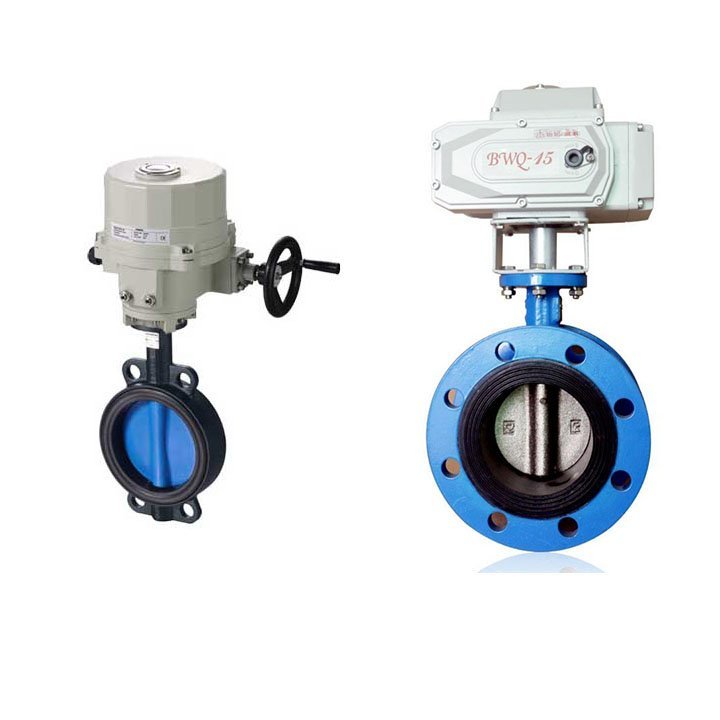
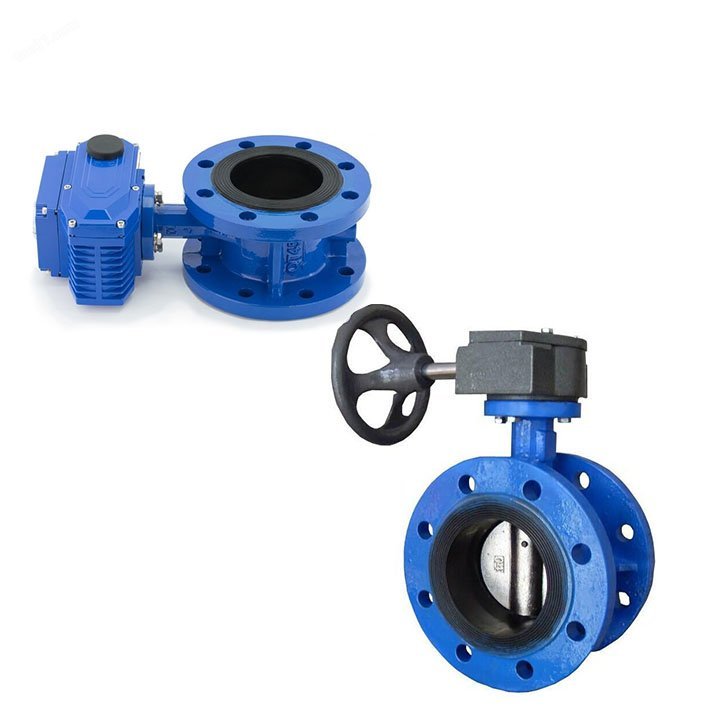
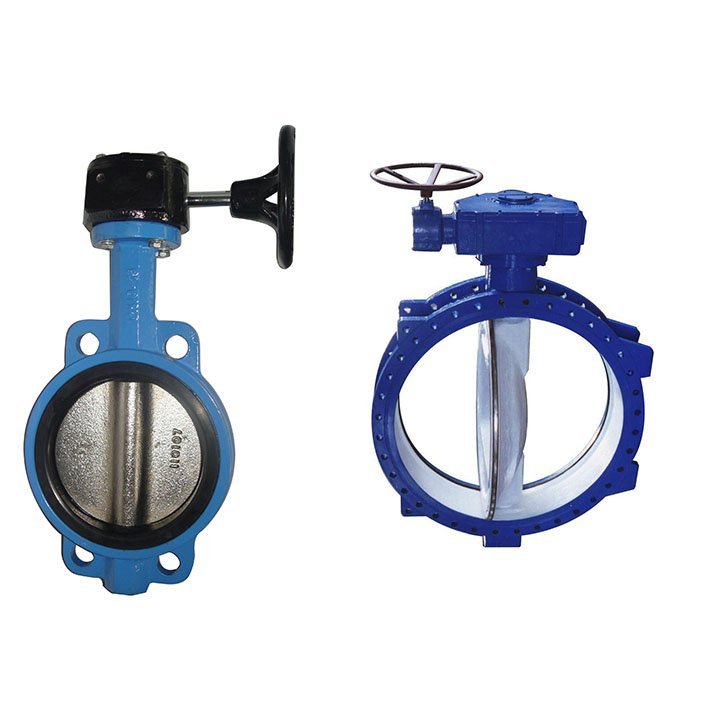
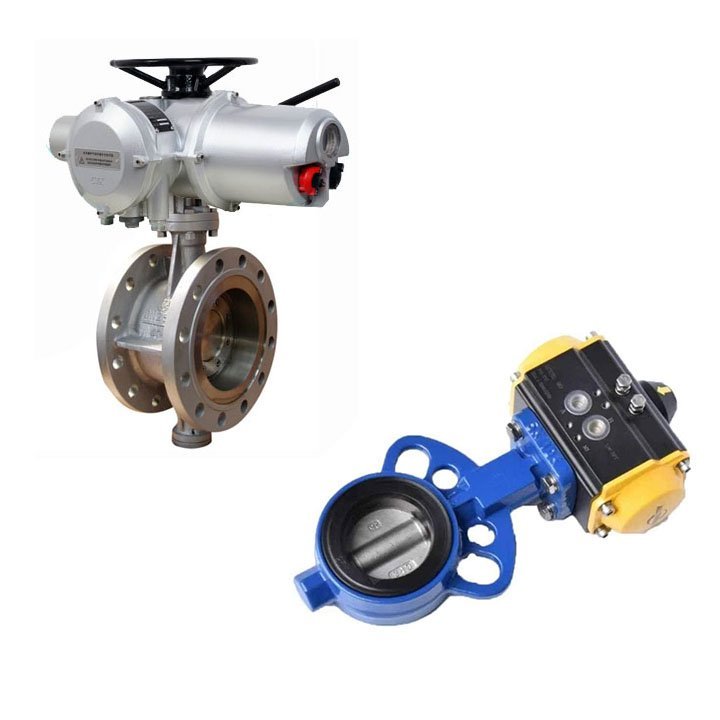
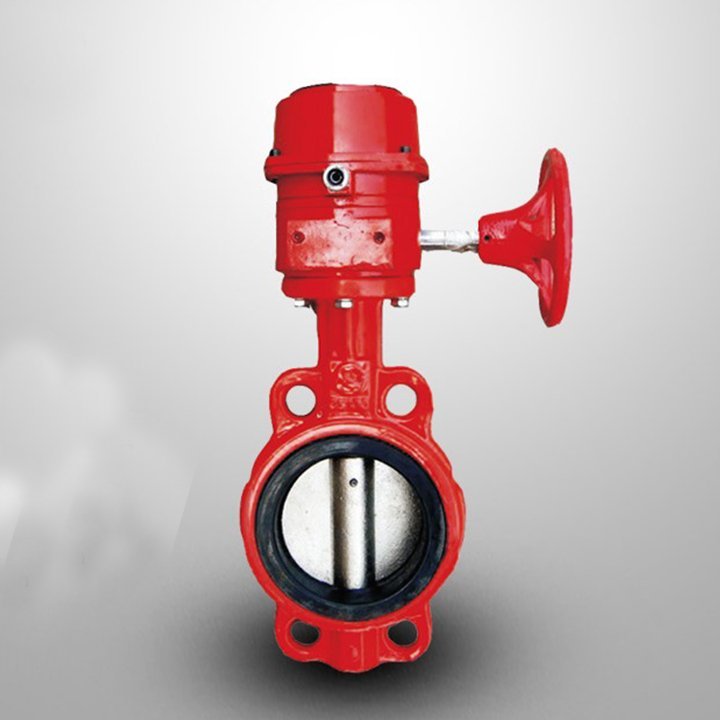
Butterfly valve, also known as a flip-flop valve, is a straightforward regulating valve primarily employed in pipeline systems for opening, closing, or adjusting fluid flow. The operating component of a butterfly valve is a disc-shaped butterfly plate that rotates around its own axis within the valve body, achieving the objectives of opening, closing, or adjusting the flow. The main features of a butterfly valve include its simple structure, compact size, lightweight design, and the ability for rapid closure.
Features of Butterfly Valve
- Butterfly valves are characterized by their simple structure, compact size, lightweight design, minimal material consumption, small installation dimensions, quick switching with a 90° reciprocating rotation, and low driving torque. They are used for cutting off, connecting, and regulating the medium in pipelines, offering excellent fluid control characteristics and sealing performance.
- Butterfly valves can transport slurry with minimal liquid accumulation at the pipeline outlet. They achieve good sealing under low pressure and demonstrate excellent regulating performance.
- The streamlined design of the butterfly plate minimizes fluid resistance, making it an energy-efficient product.
- The valve stem, utilizing a through-rod structure and subjected to quenching treatment, exhibits excellent comprehensive mechanical performance, corrosion resistance, and abrasion resistance. During the opening and closing of the butterfly valve, the valve stem only undergoes rotational motion without lifting, ensuring the packing is not easily damaged and providing reliable sealing. The butterfly plate is fixed with a conical pin, and the outward extended end is designed to prevent stem blowout in case of accidental fracture at the connection between the valve stem and the butterfly plate.
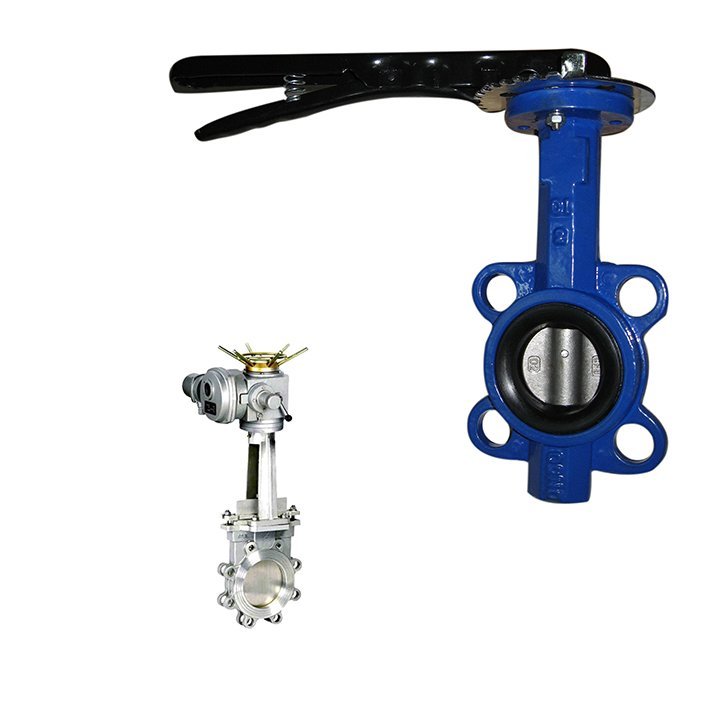
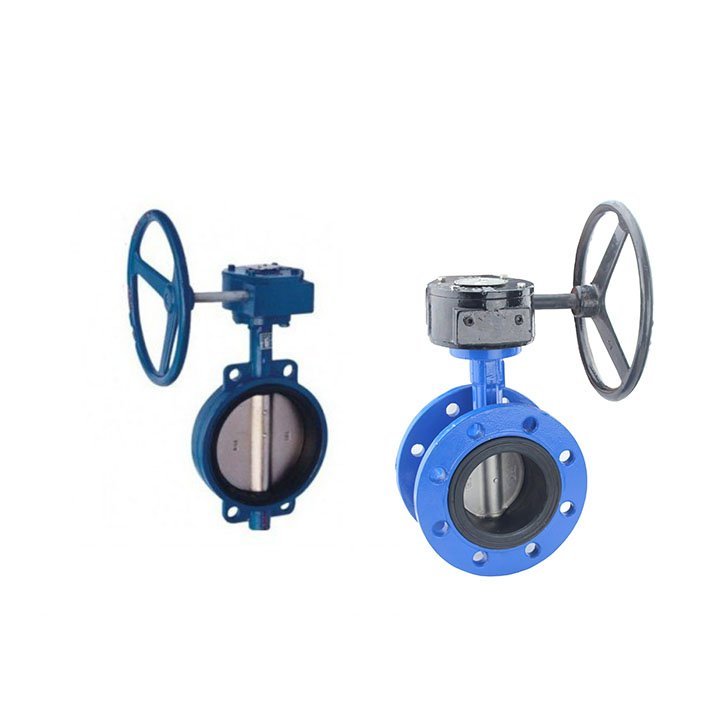
- Connection methods include flange connection, clamp connection, welding connection, and lug clamp connection.
Advantages of Butterfly Valve
- Convenient and rapid opening and closing, requiring minimal effort, low fluid resistance, and the ability for frequent operation.
- Simple structure, small size, short structural length, compact design, lightweight, suitable for large-diameter valves.
- Capable of transporting slurry with minimal liquid accumulation at the pipeline outlet.
- Good sealing performance achievable under low pressure.
- Excellent regulating performance.
- When fully open, the effective flow area of the valve seat channel is large, resulting in minimal fluid resistance.
- Low torque during opening and closing, as the opposing torques generated on both sides of the butterfly plate due to the medium are nearly equal.
- Generally uses sealing face materials such as rubber and plastic, resulting in good low-pressure sealing performance.
- Easy installation.
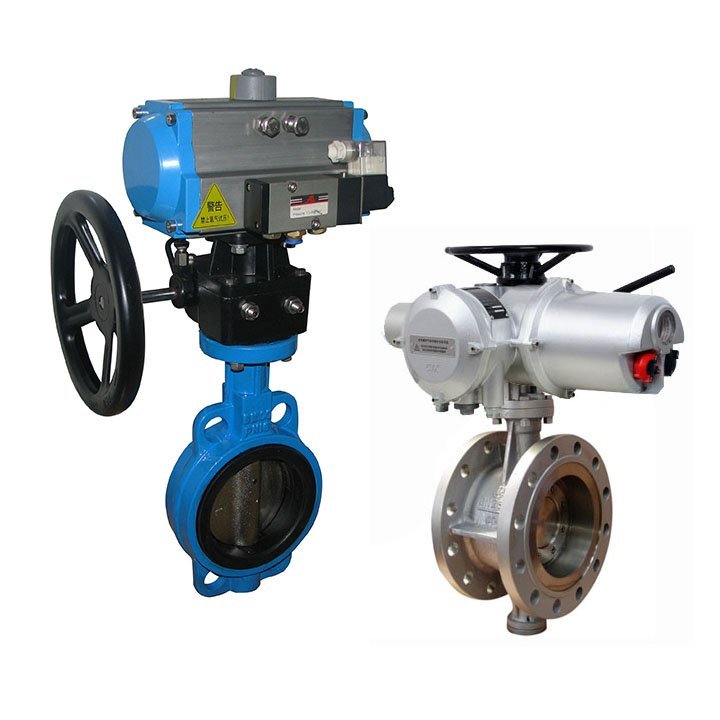
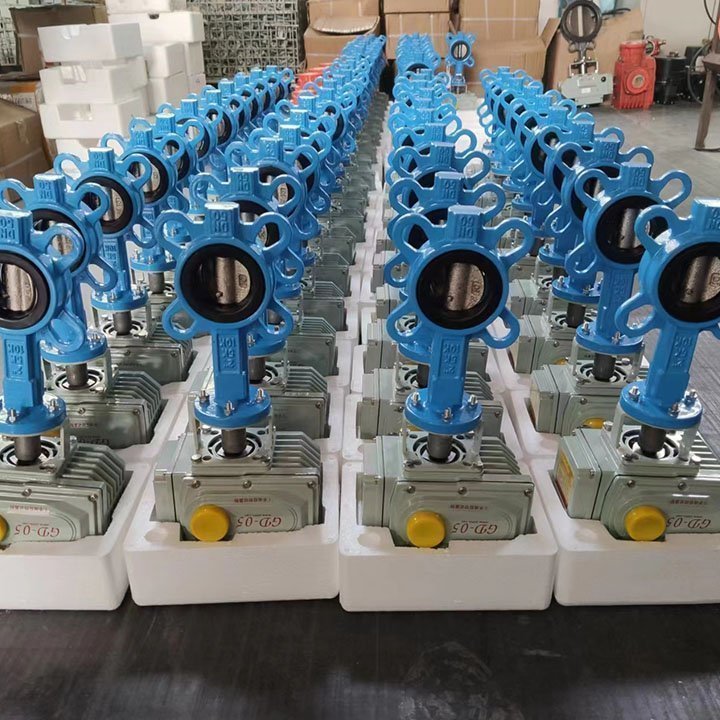
- Flexible and effortless operation, with options for manual, electric, pneumatic, and hydraulic actuation.