




Product Description
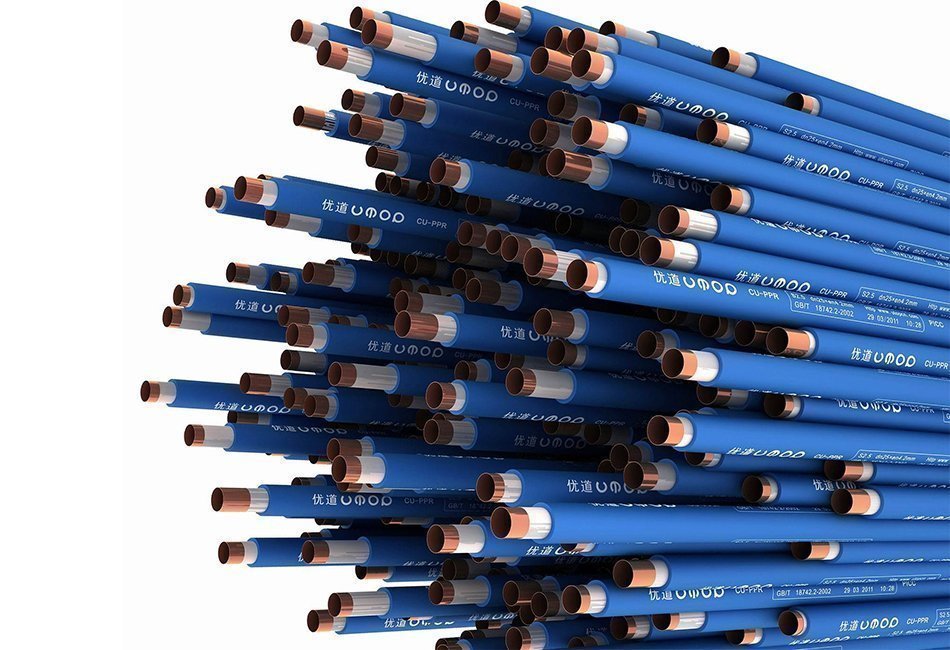
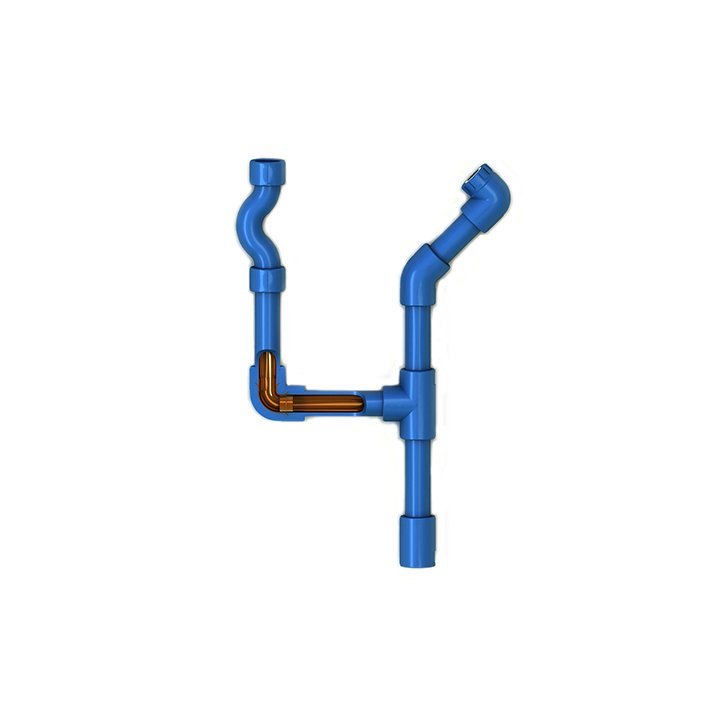
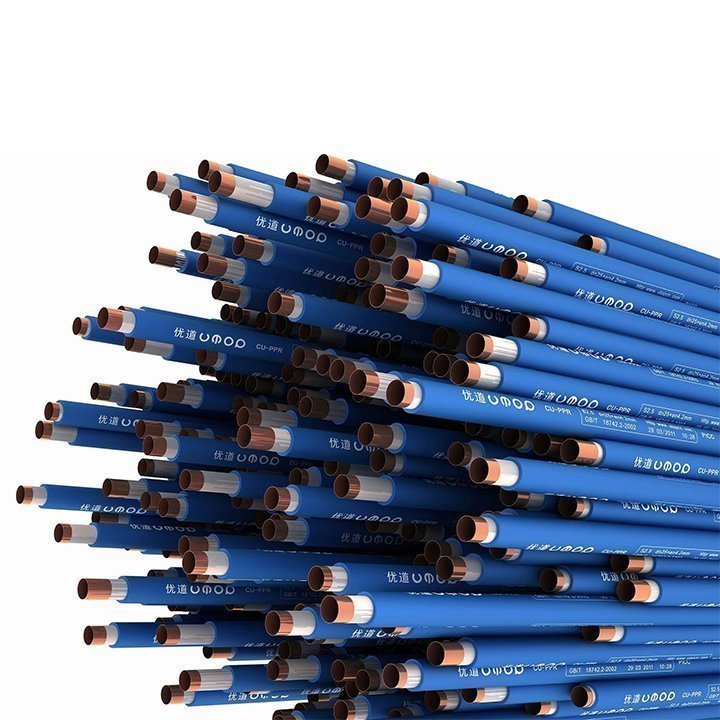
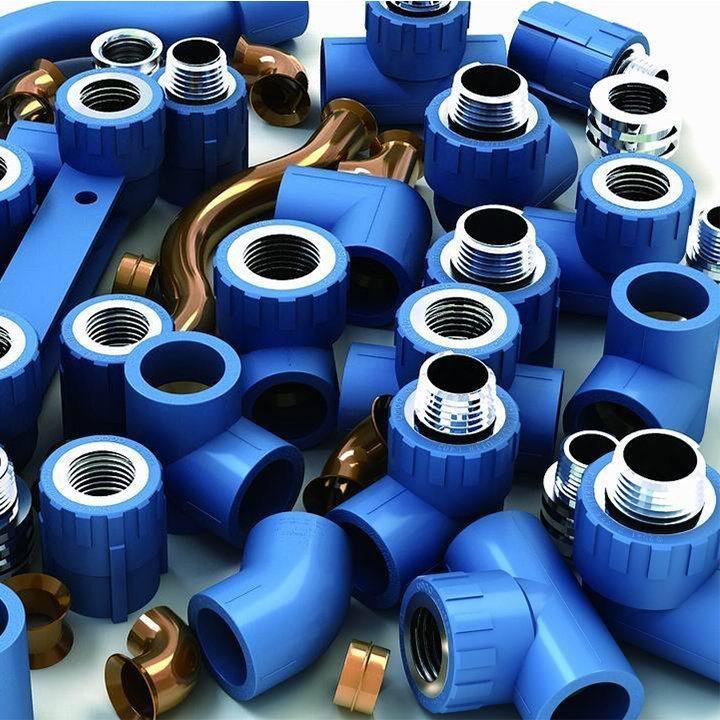
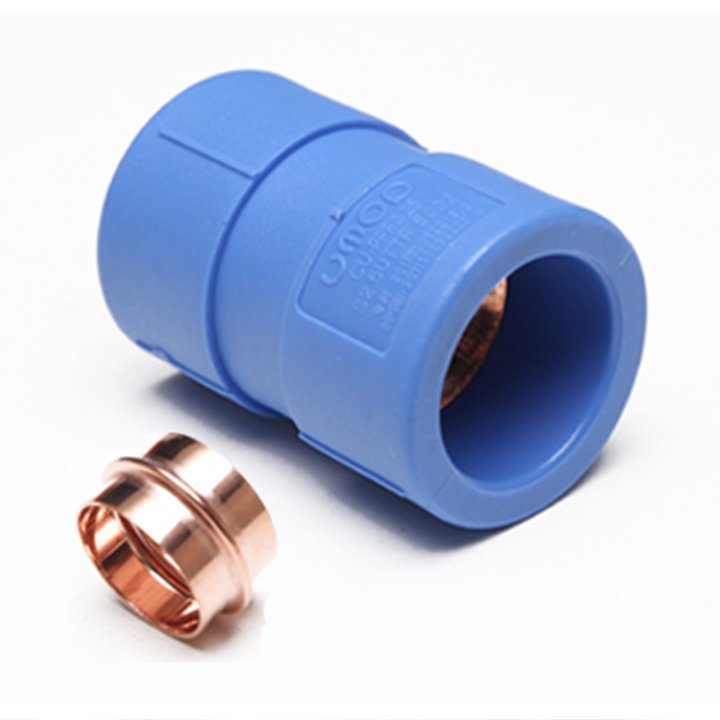
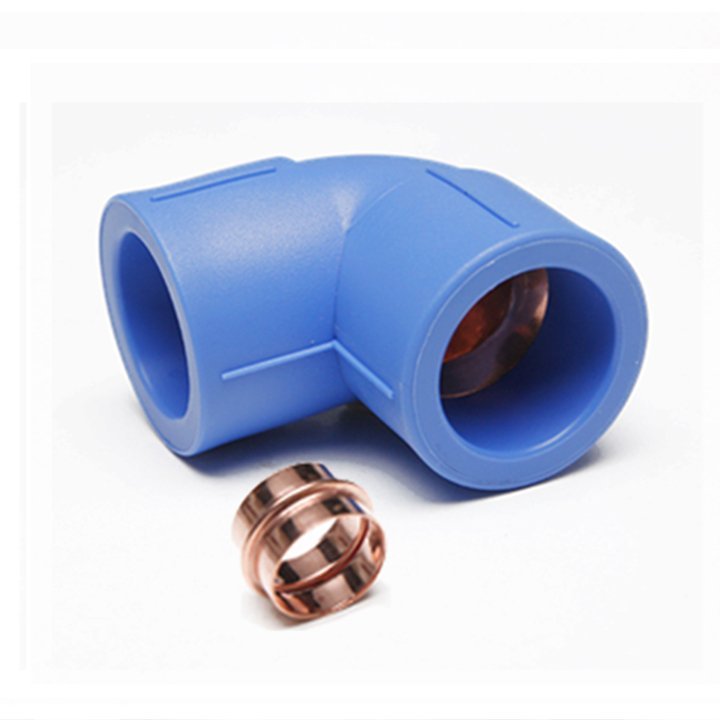
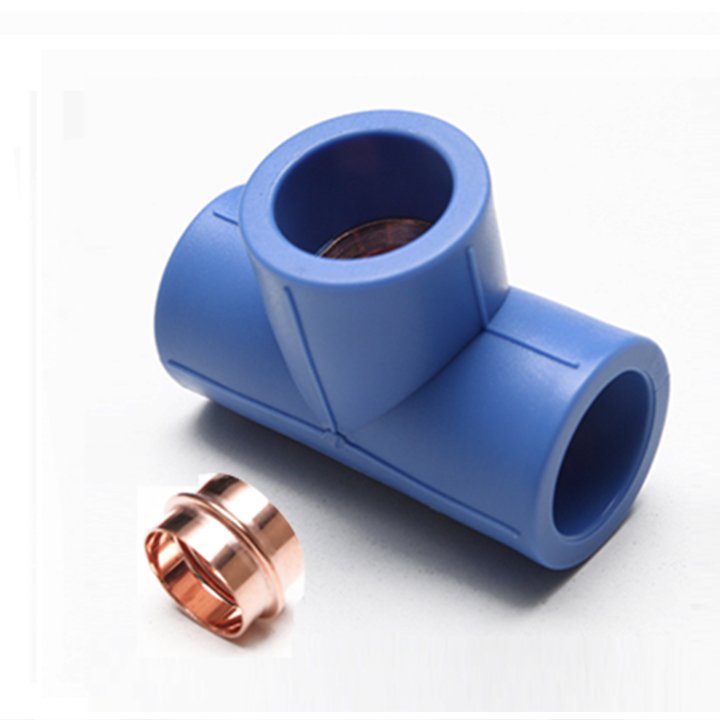
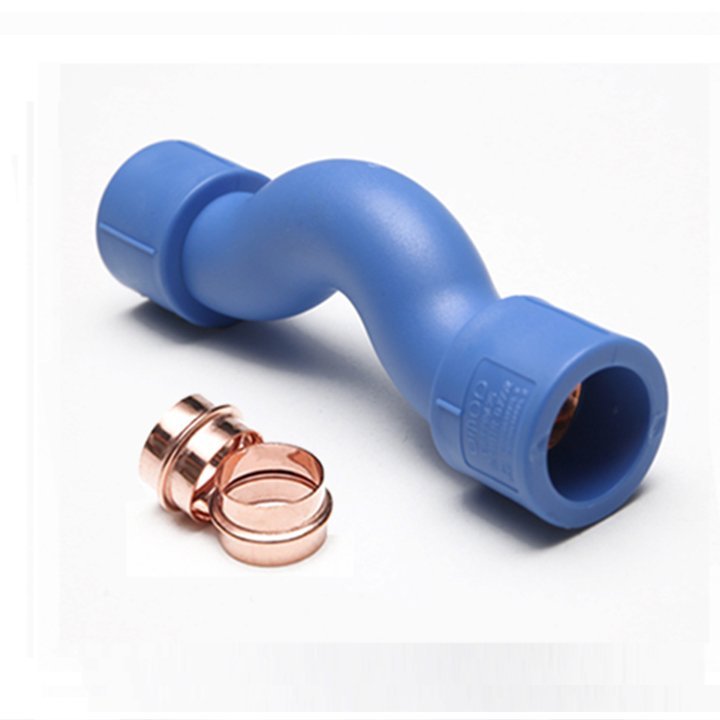
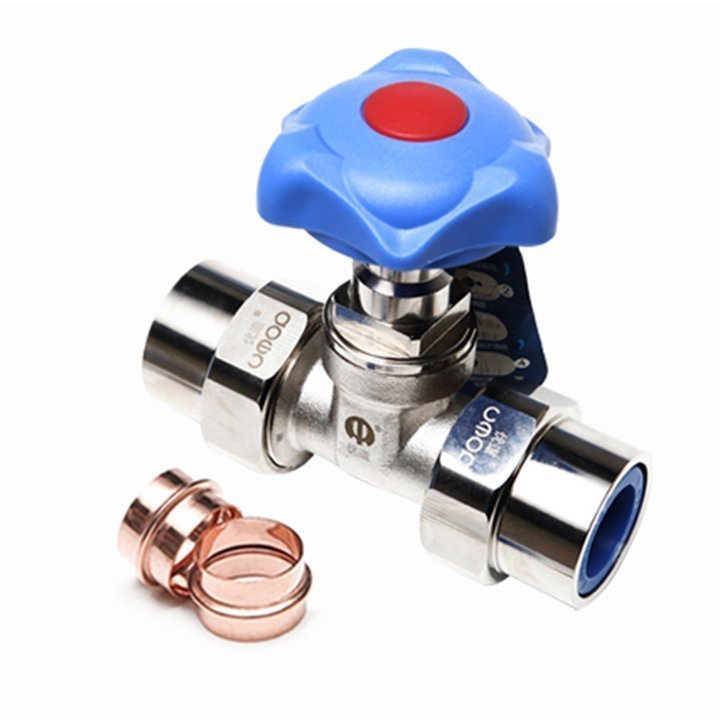
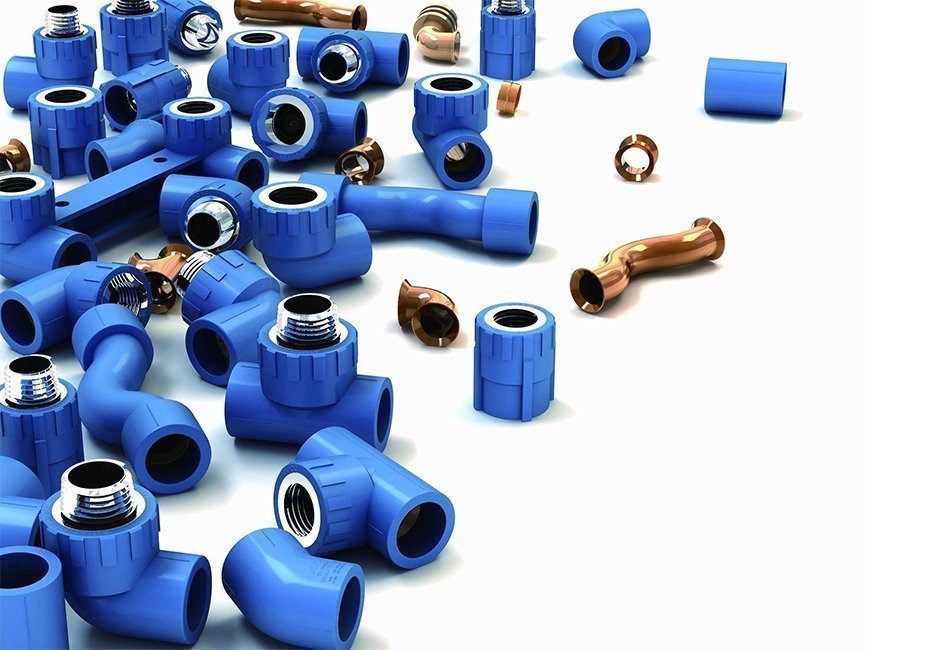
Copper PPR typically refers to pipes or tubing made using polypropylene (PPR) as the base material, with an additional layer of copper coating on the inside. PPR is a high-performance plastic commonly used in manufacturing piping systems, and the addition of a copper layer in Copper PPR provides extra features.
The main features and advantages of Copper PPR
Thermal Conductivity: The copper layer has excellent thermal conductivity, making Copper PPR perform well in heat transfer applications, suitable for scenarios that require good thermal conductivity.
Antibacterial Properties: Copper has antibacterial properties, inhibiting the growth of bacteria. Therefore, Copper PPR may be more popular in applications with high hygiene requirements, such as drinking water systems.
Corrosion Resistance: Copper has good corrosion resistance, enhancing the durability of the pipes and reducing maintenance costs.
Stability: Copper PPR pipes typically exhibit good chemical stability, less susceptible to the influence of chemicals, helping to maintain water purity.
Environmental Friendliness: PPR is an environmentally friendly plastic material, and the combination with copper can provide additional sustainability benefits.
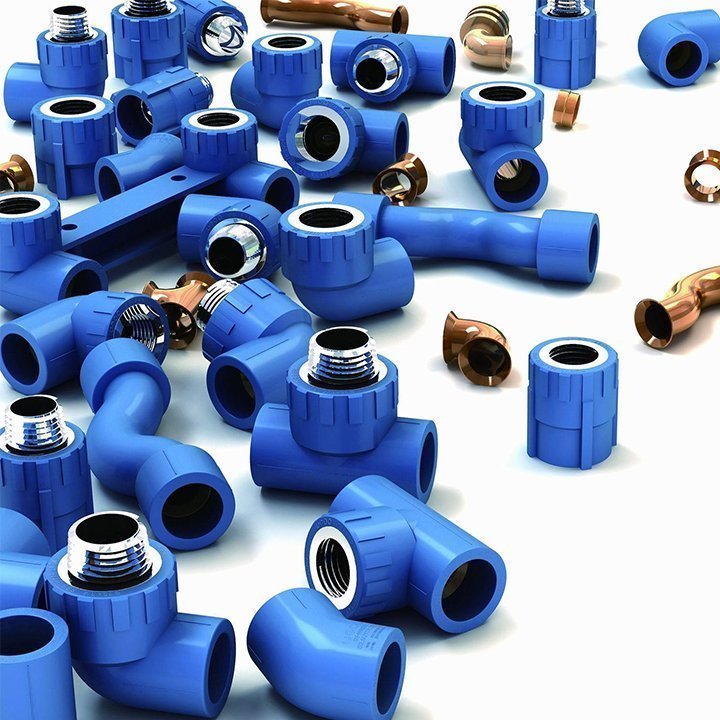
Copper PPR is primarily used in building construction for water supply systems, heating systems, air conditioning systems, and other piping systems. In these applications, the characteristics of Copper PPR make it a popular choice for piping materials, meeting engineering requirements while leveraging the advantages of both copper and PPR materials.