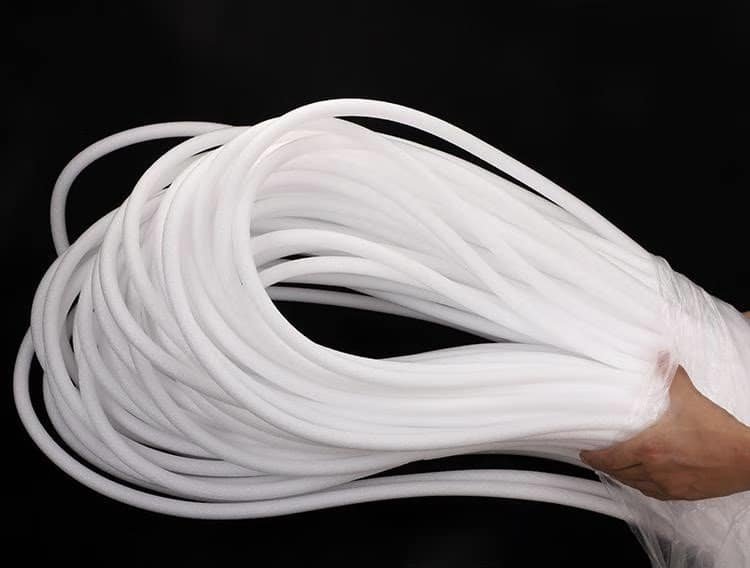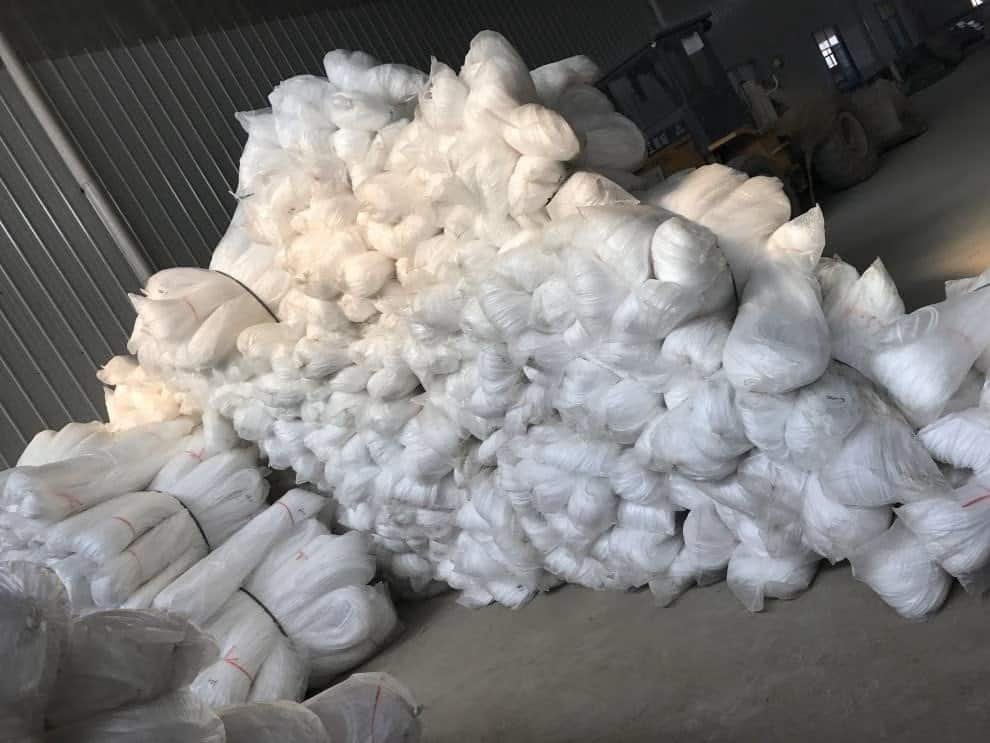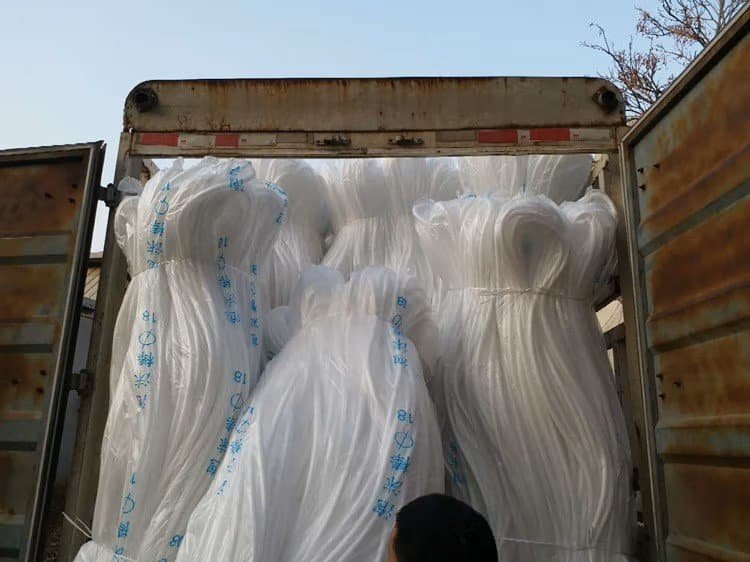




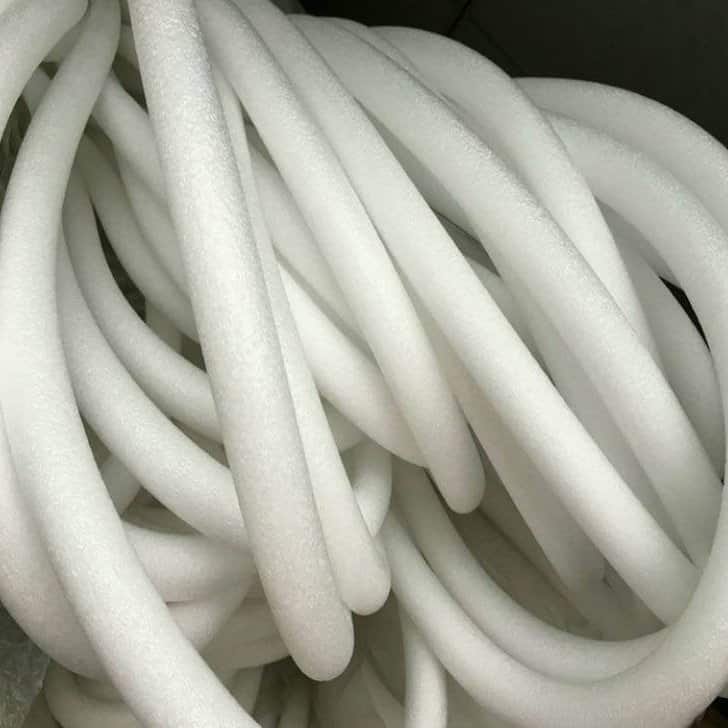
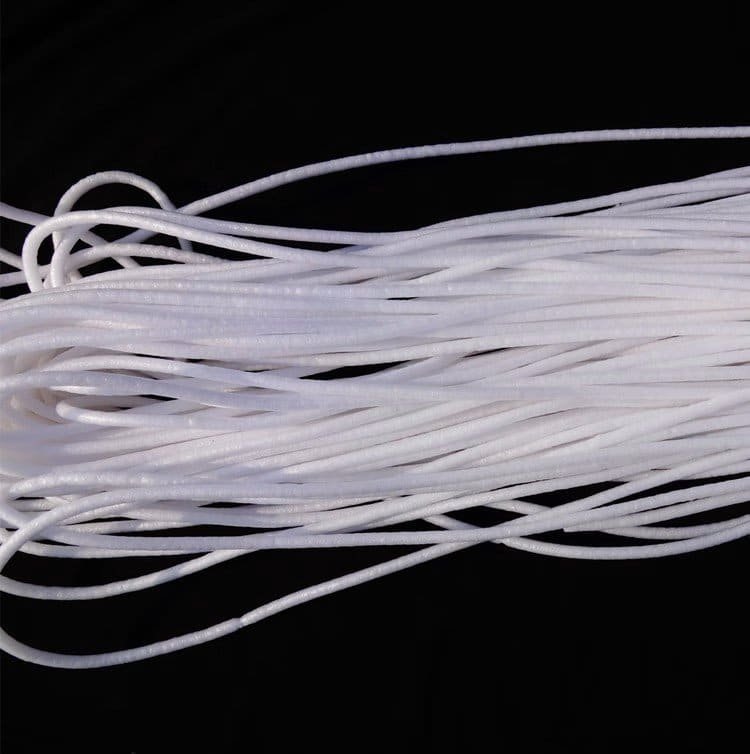
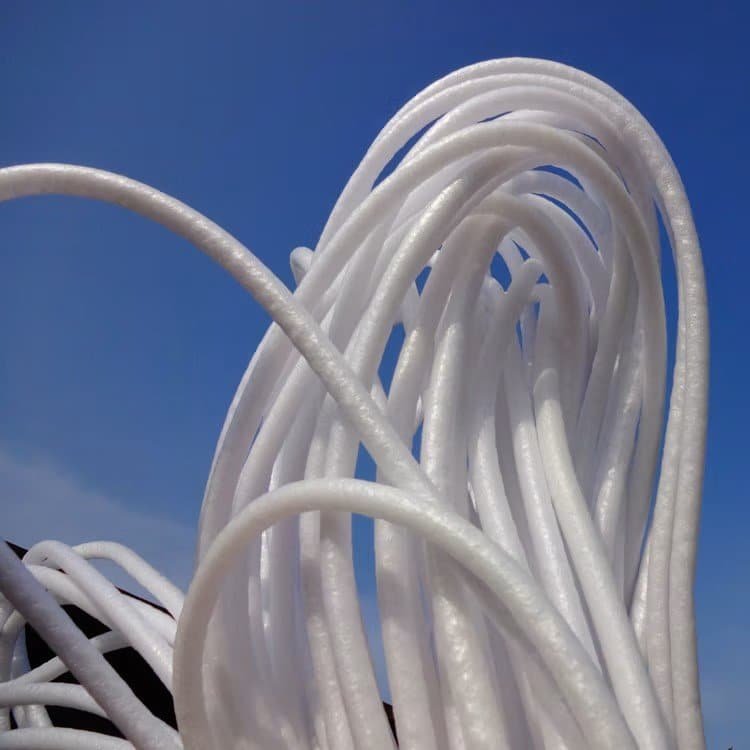
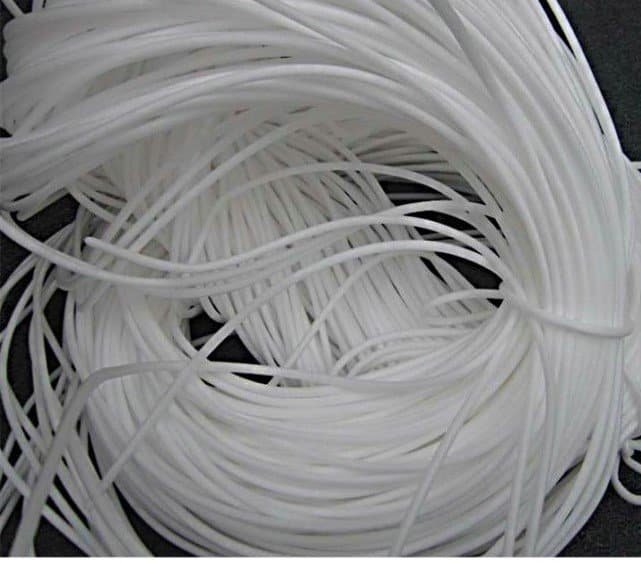

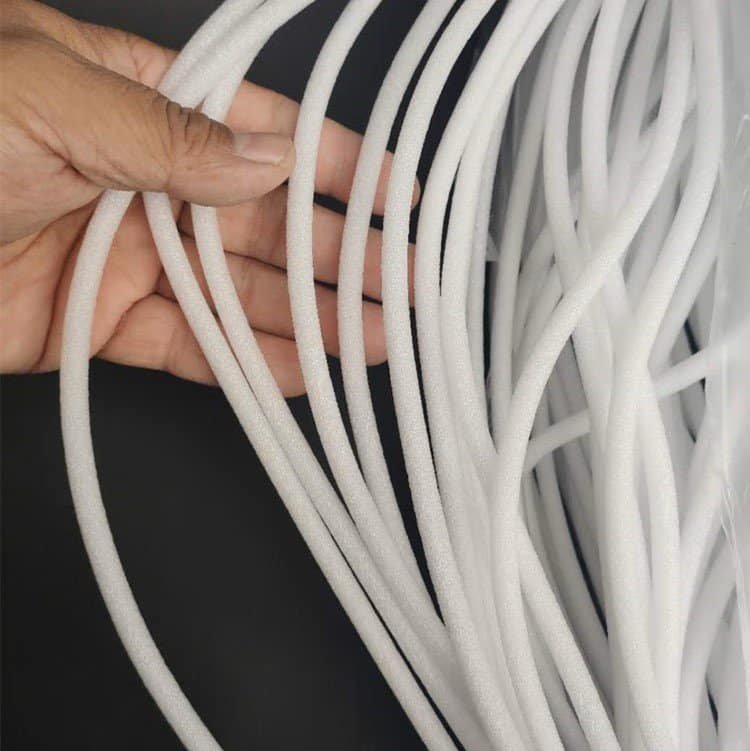
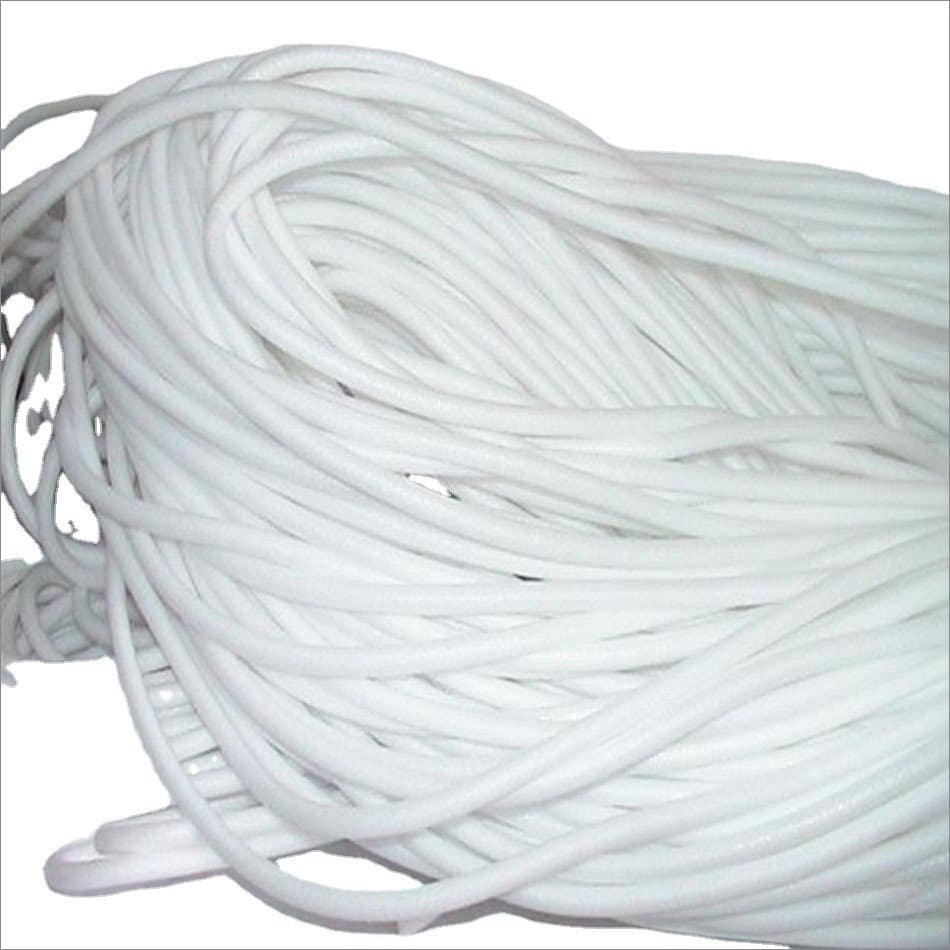
Foam Rod Material: The curtain wall specification clearly states that the filler should preferably be polyethylene foam rods with a density not exceeding 37 kilograms per cubic meter.
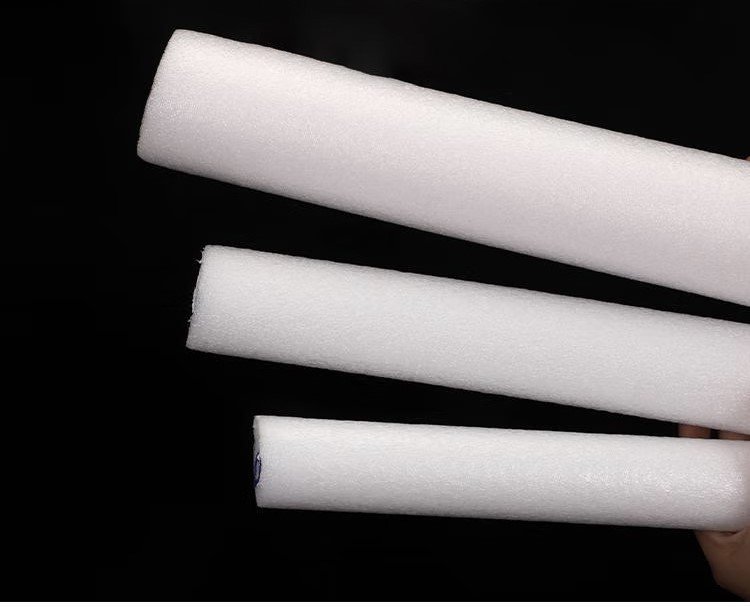
Foam Rod DiameterSelection: Generally speaking, half of the joint width is the standard size for selecting foam rods. For example, for joint gaps with a width below 10mm, foam rods with a diameter of 10mm can be selected; for those with a width between 10mm and 20mm, foam rods with a diameter of 15mm can be chosen; and for those with a width above 20mm, foam rods with a diameter of 20mm can be selected.
Foam Rod Length Selection: Select foam rods of an appropriate length to ensure proper filling.
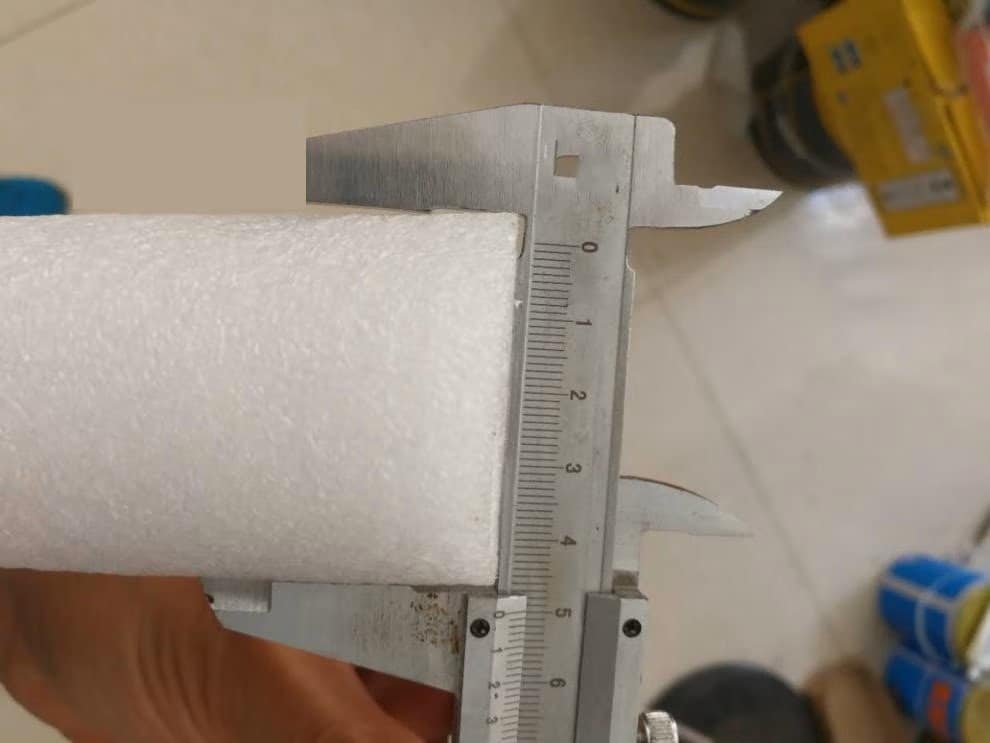
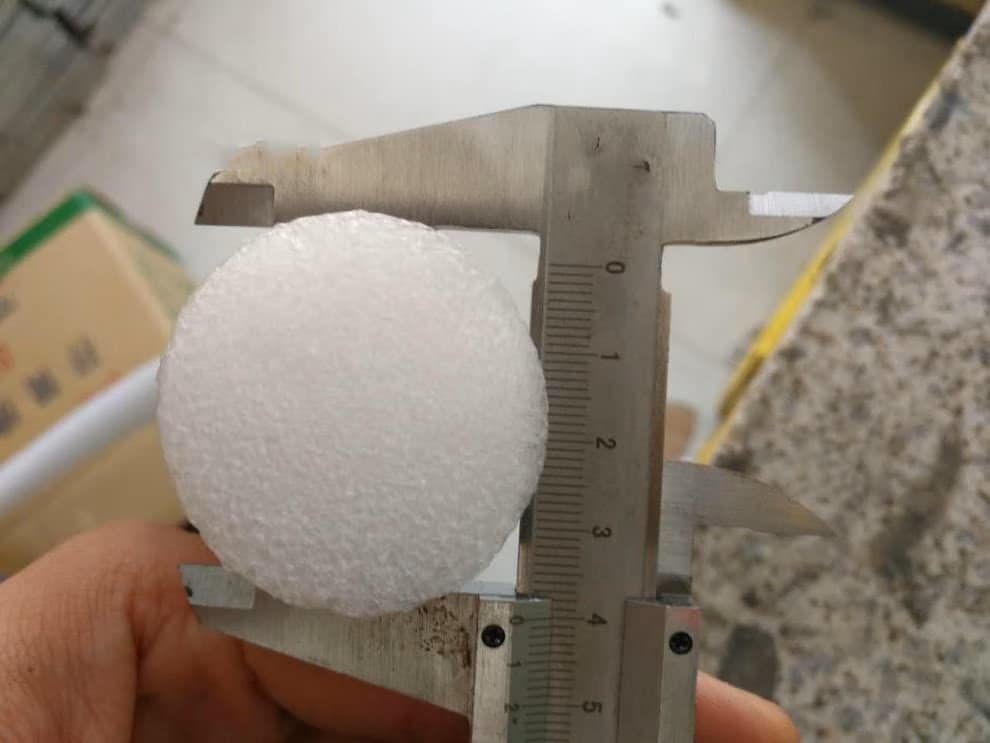
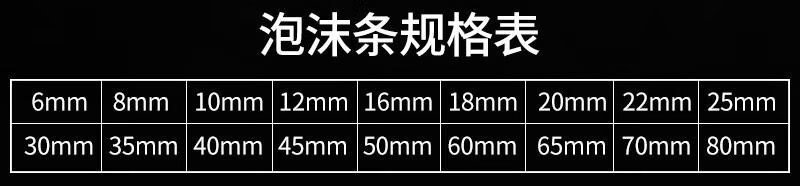
The following are the specifications of the foam bar:
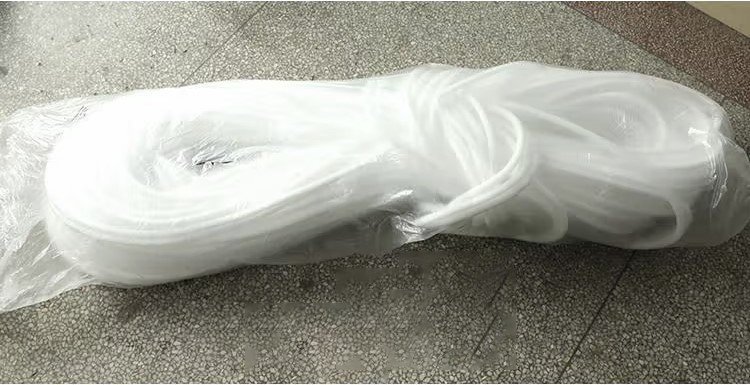
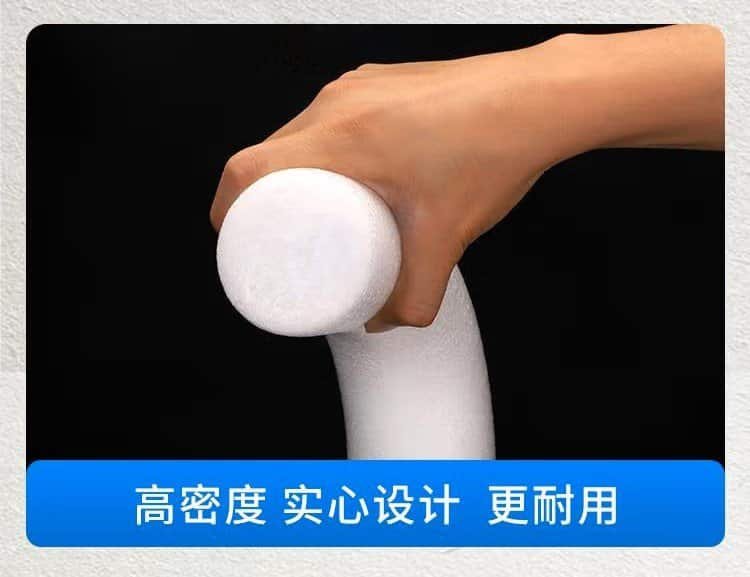
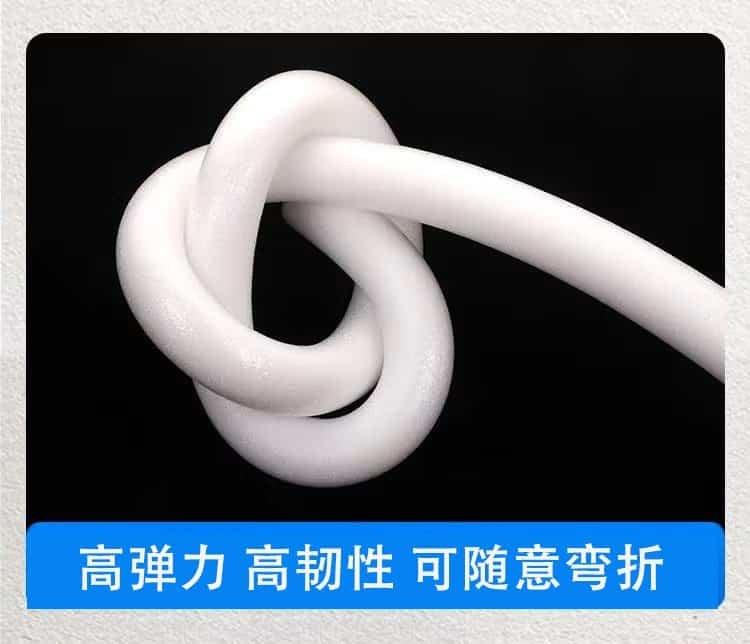
Characteristics of Foam Rods: They possess water resistance, corrosion resistance, workability and anti-vibration properties. For instance, the closed-cell structure makes them non-absorbent, moisture-proof and have good water resistance; they are resistant to the corrosion of chemicals such as seawater, grease, acids and alkalis; they have no joints and are easy to be processed by hot pressing, cutting, gluing and laminating; they have high resilience, high tensile strength, high toughness and good shock-absorbing and cushioning performance.
Use of Foam Rods: Architectural foam rods are used for caulking. After caulking, sealant is applied. Firstly, this can reduce the amount of sealant used. Secondly, it can control the thickness of the sealant. Thirdly, it can prevent three-sided adhesion. For example, in curtain wall projects when applying weather-resistant sealant.
Product details