



1. Types
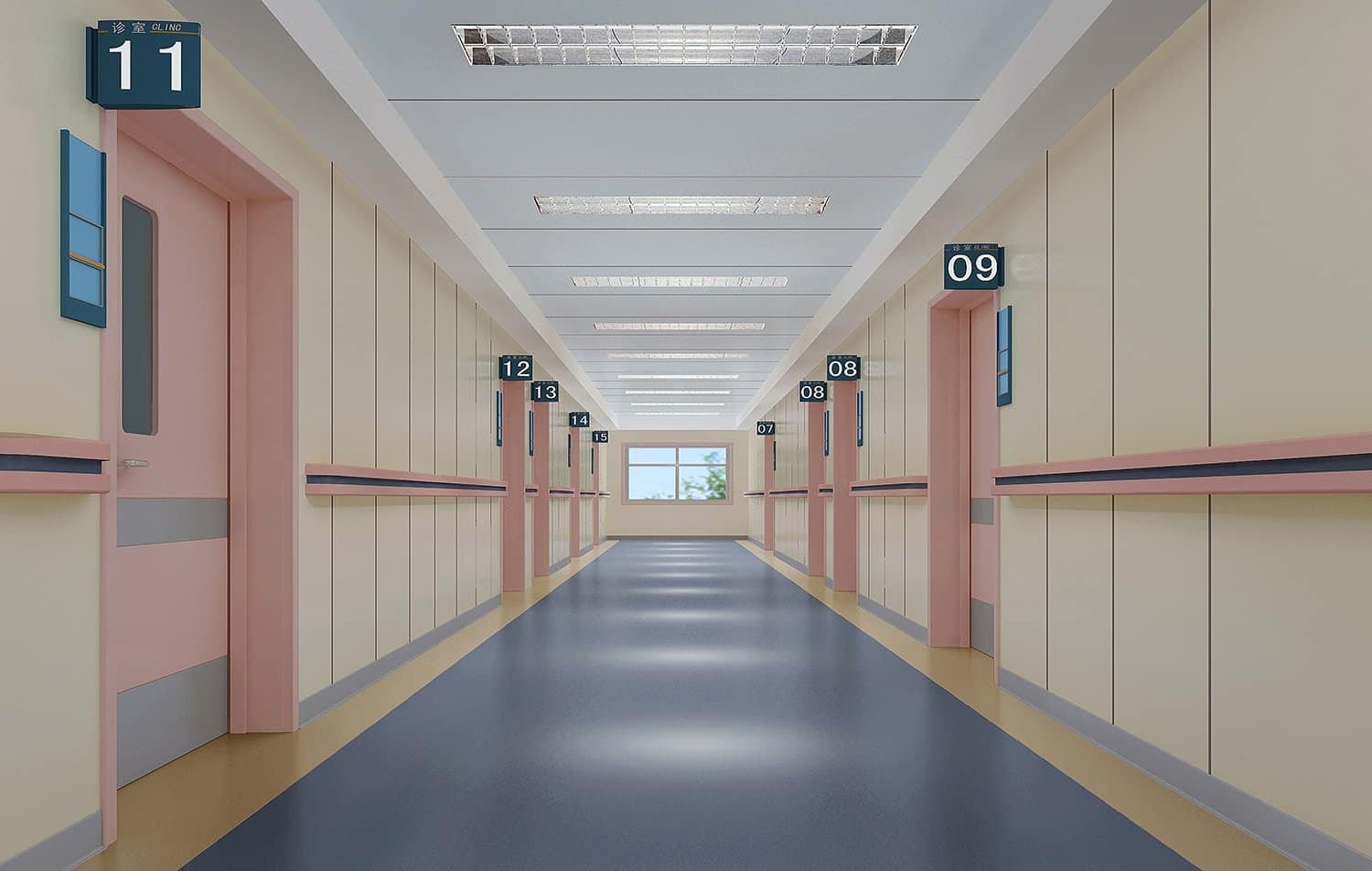
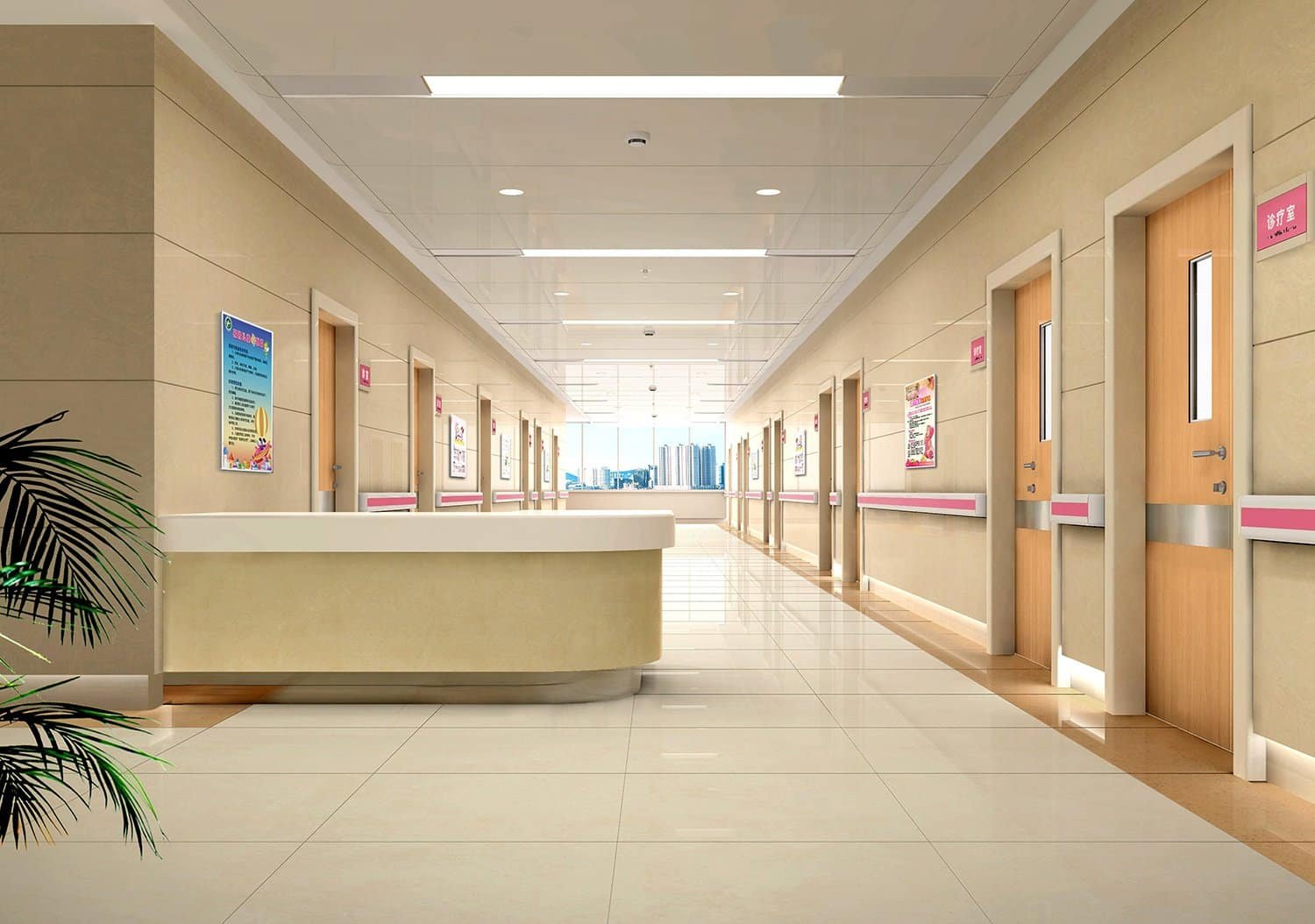
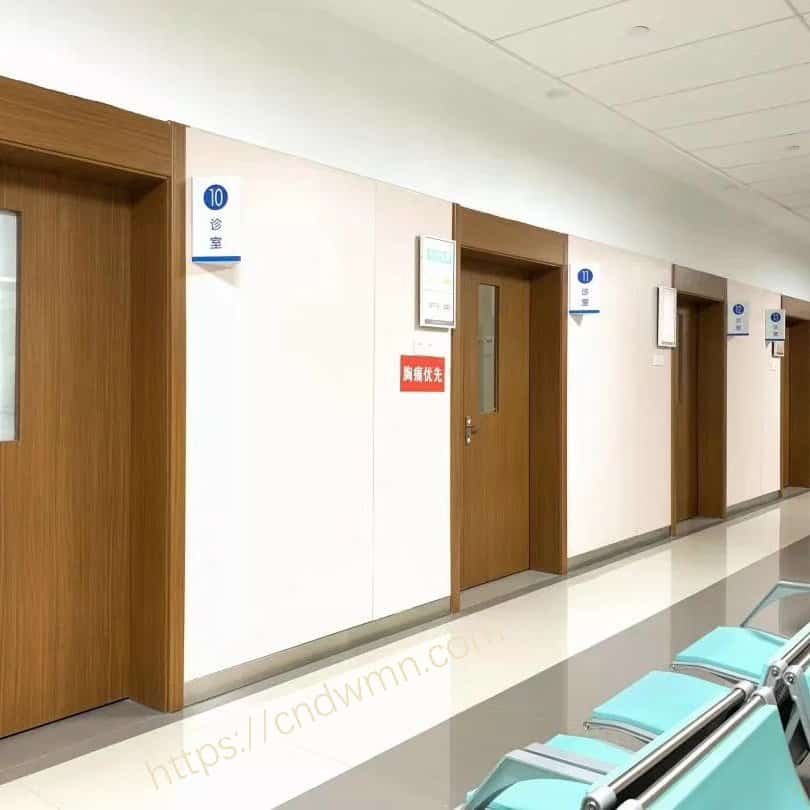
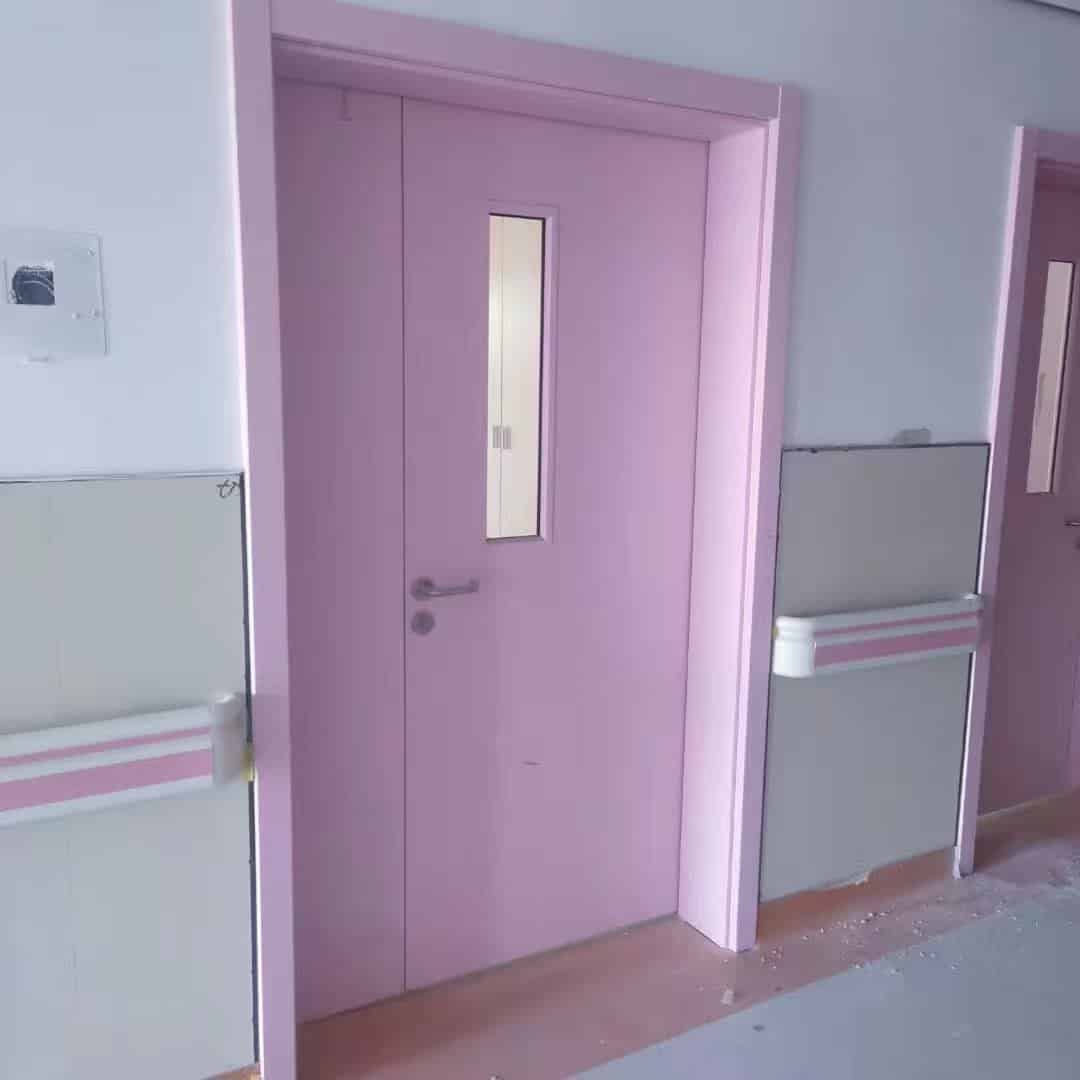
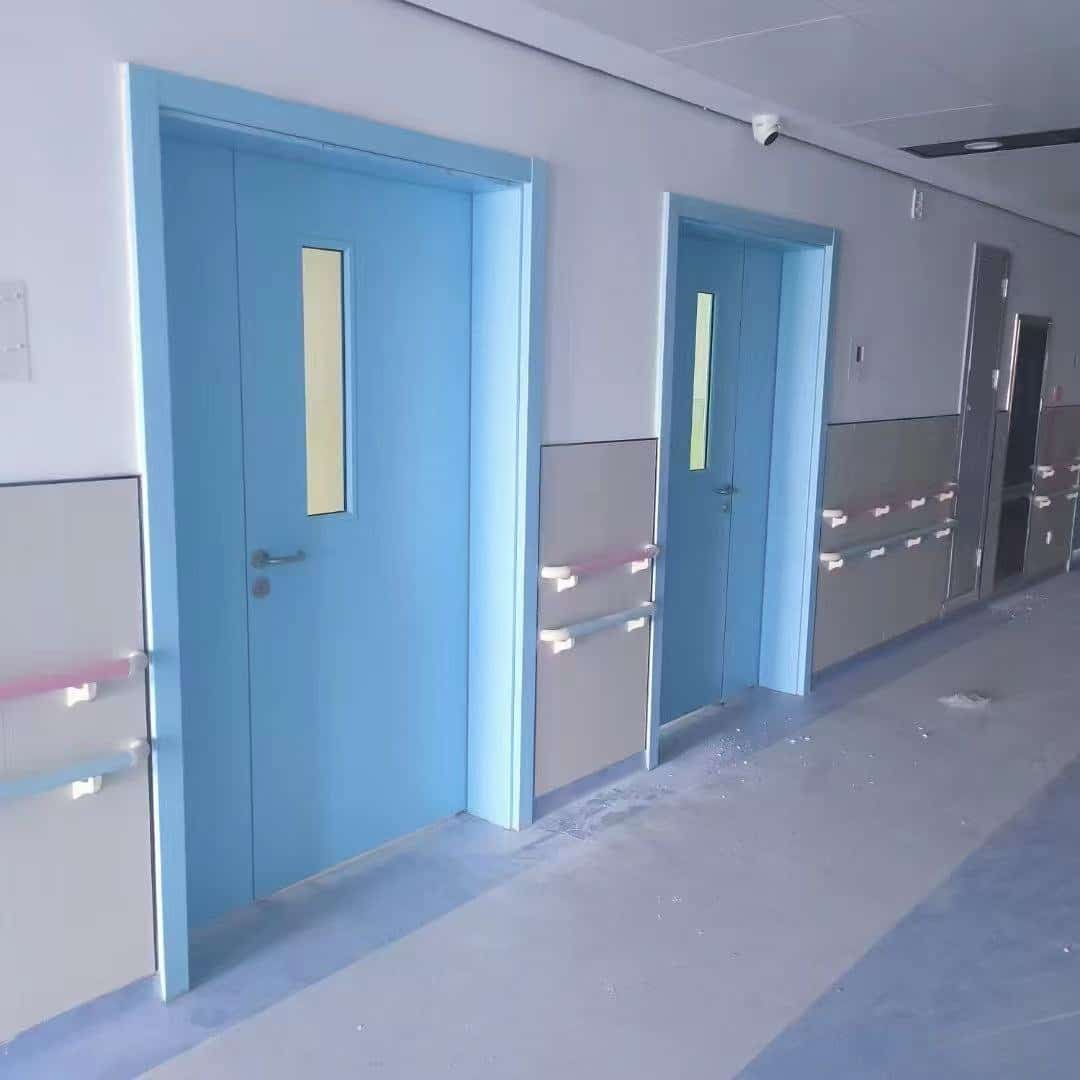
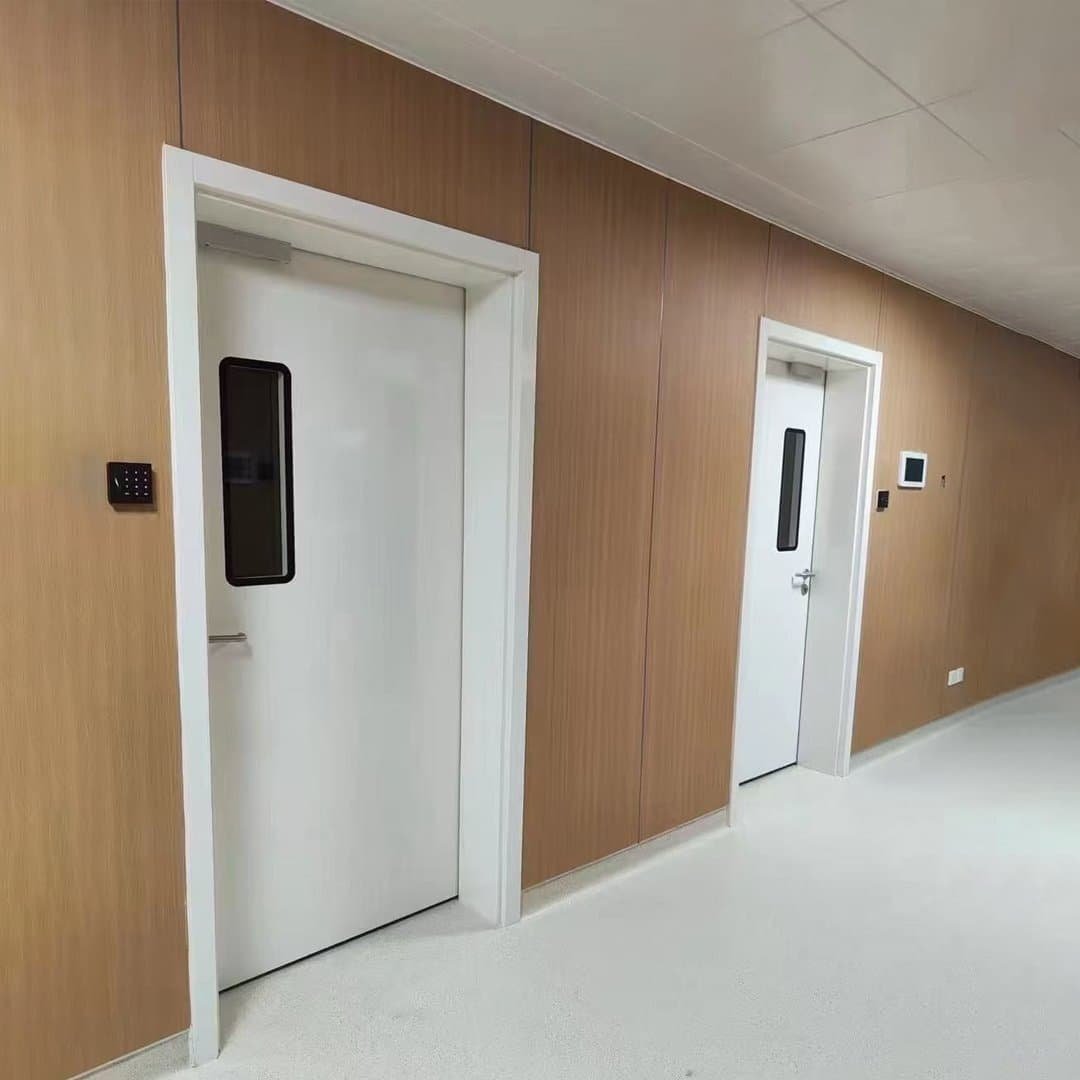
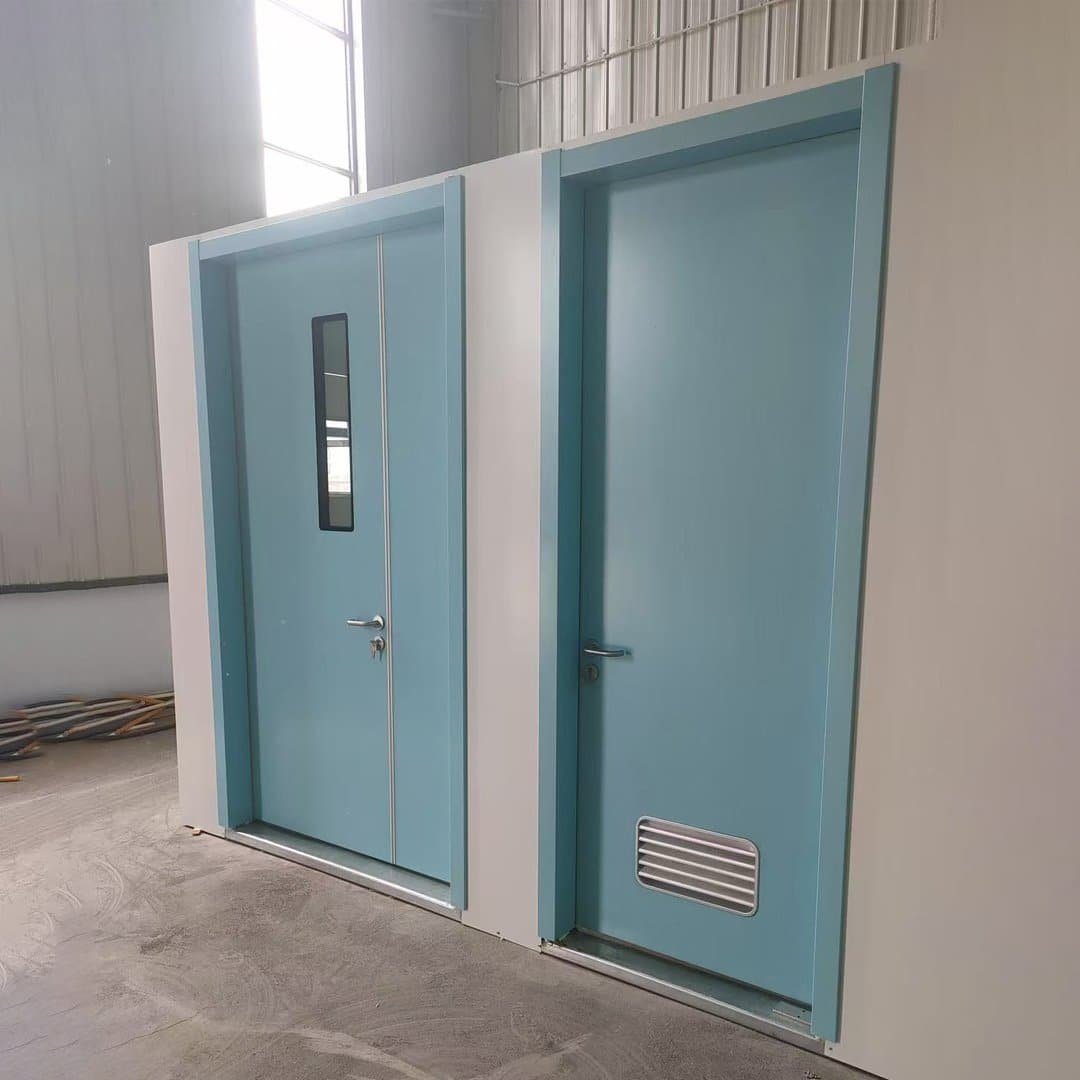
- Swing Doors: These are commonly used in medical facilities. They can be single – swing or double – swing. Single – swing doors are suitable for smaller examination rooms or storage areas. Double – swing doors are great for corridors or larger entrances where more space is needed for the movement of medical equipment and personnel.
- Sliding Doors: Ideal for areas with high traffic, such as operating rooms or intensive care units. They slide smoothly along a track, taking up less space compared to swing doors. This is especially important in medical settings where every inch of space matters.
- Lead – Lined Doors: Used in areas where radiation protection is required, such as X – ray rooms and CT scan rooms. These doors are lined with lead to block radiation and protect patients and medical staff from unnecessary exposure.
2. Materials
- Stainless Steel: A popular choice for medical doors due to its durability, resistance to corrosion, and ease of cleaning. Stainless steel doors can withstand the frequent use and harsh cleaning agents used in medical environments.
- Aluminum Alloy: Lightweight yet strong, aluminum alloy doors are also resistant to corrosion. They are often used in combination with glass for a modern and clean look, which is suitable for waiting areas and reception desks in medical facilities.
- Plastic – Coated Steel: This material provides a smooth and easy – to – clean surface. It is also resistant to scratches and dents, making it a practical choice for areas where there may be some rough handling, such as patient rooms.
3. Features
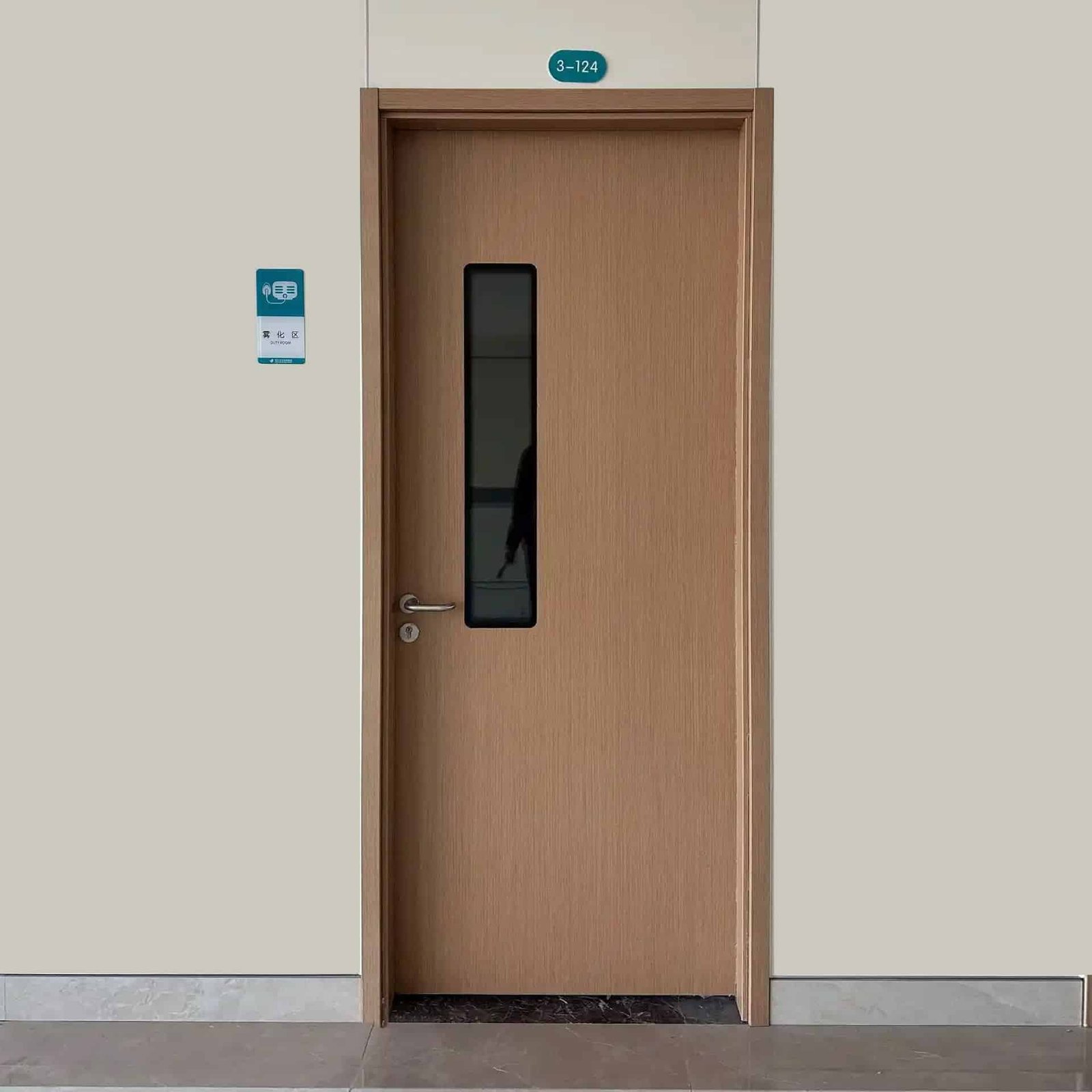
- Observation Windows: Most medical doors are equipped with observation windows. These windows are made of tempered glass, which is shatter – resistant. They allow medical staff to check on patients or the situation inside a room without opening the door, reducing the risk of cross – infection.
- Automatic Closing Devices: To ensure the safety and privacy of patients, medical doors are often fitted with automatic closing devices. These devices can be adjusted to control the speed at which the door closes, preventing it from slamming shut.
- Sealing and Soundproofing: Medical doors are designed with good sealing and soundproofing properties. This helps to maintain a quiet environment for patients and also prevents the spread of germs and odors between different areas of the medical facility.
4. Customization
We understand that different medical facilities have different requirements. Therefore, we offer customization services. You can choose the size, color, style, and additional features of the doors according to your specific needs. Our professional team will work closely with you to ensure that the final product meets your expectations and complies with all relevant medical standards and regulations.
Whether you are building a new medical facility or renovating an existing one, our medical doors are the perfect choice for functionality, durability, and hygiene. Contact us now for more information and a free quote!