



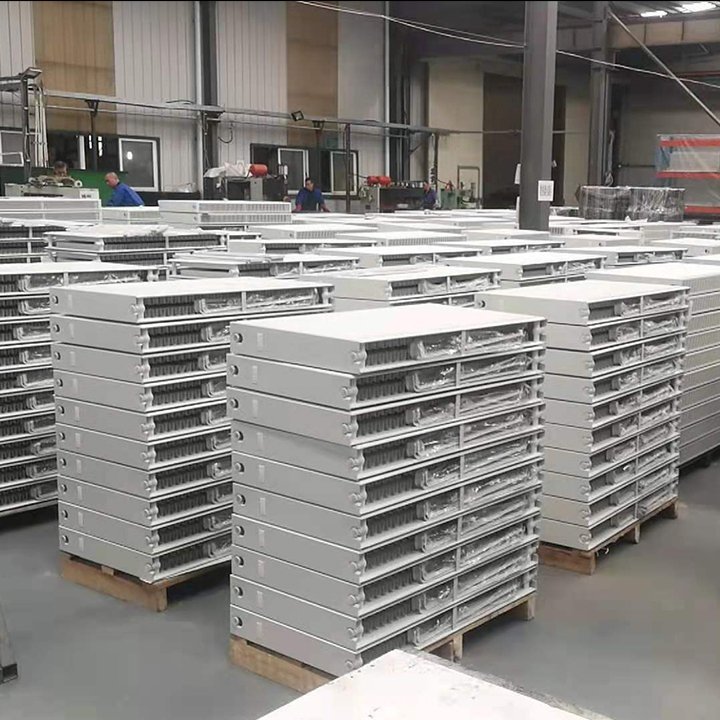
Product Description
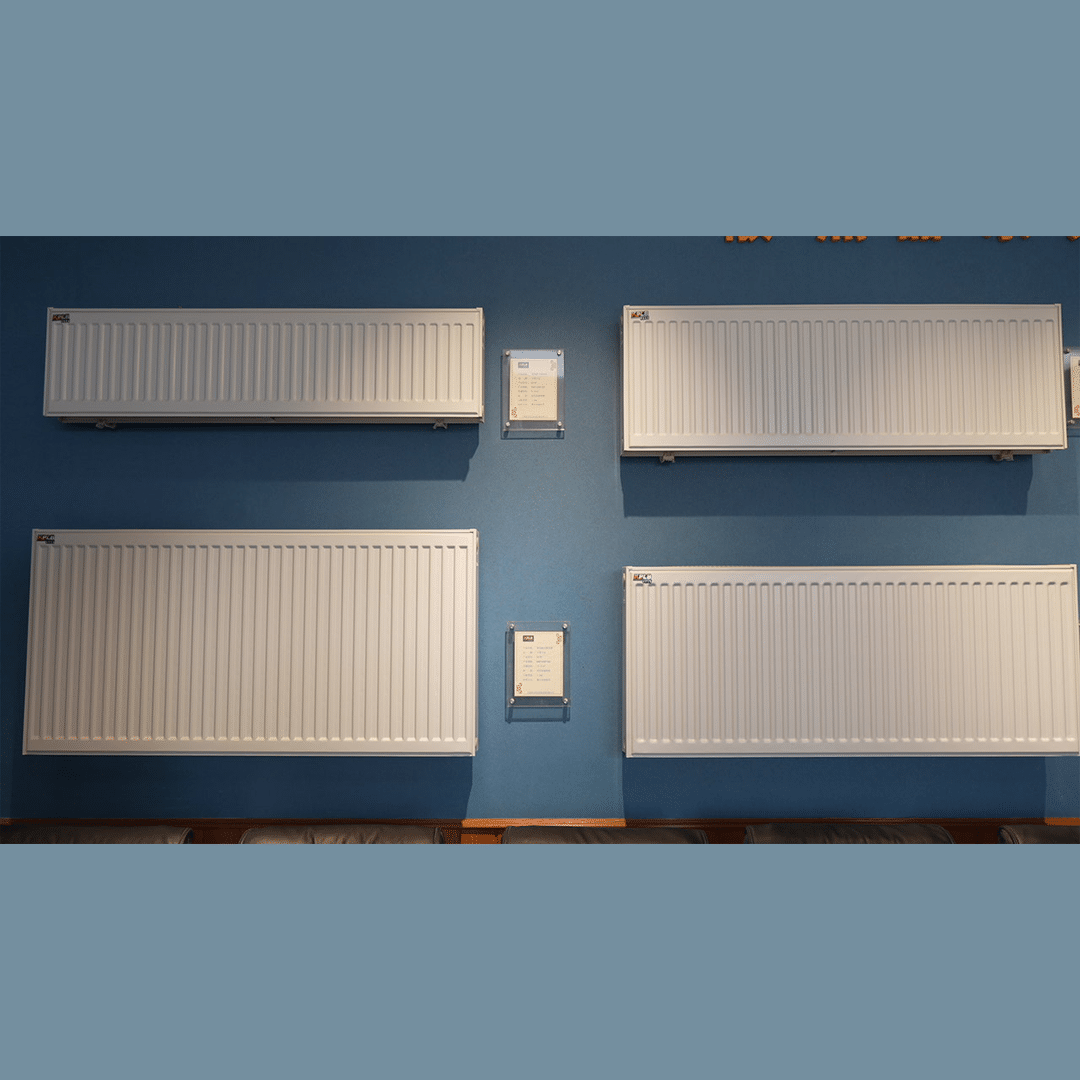
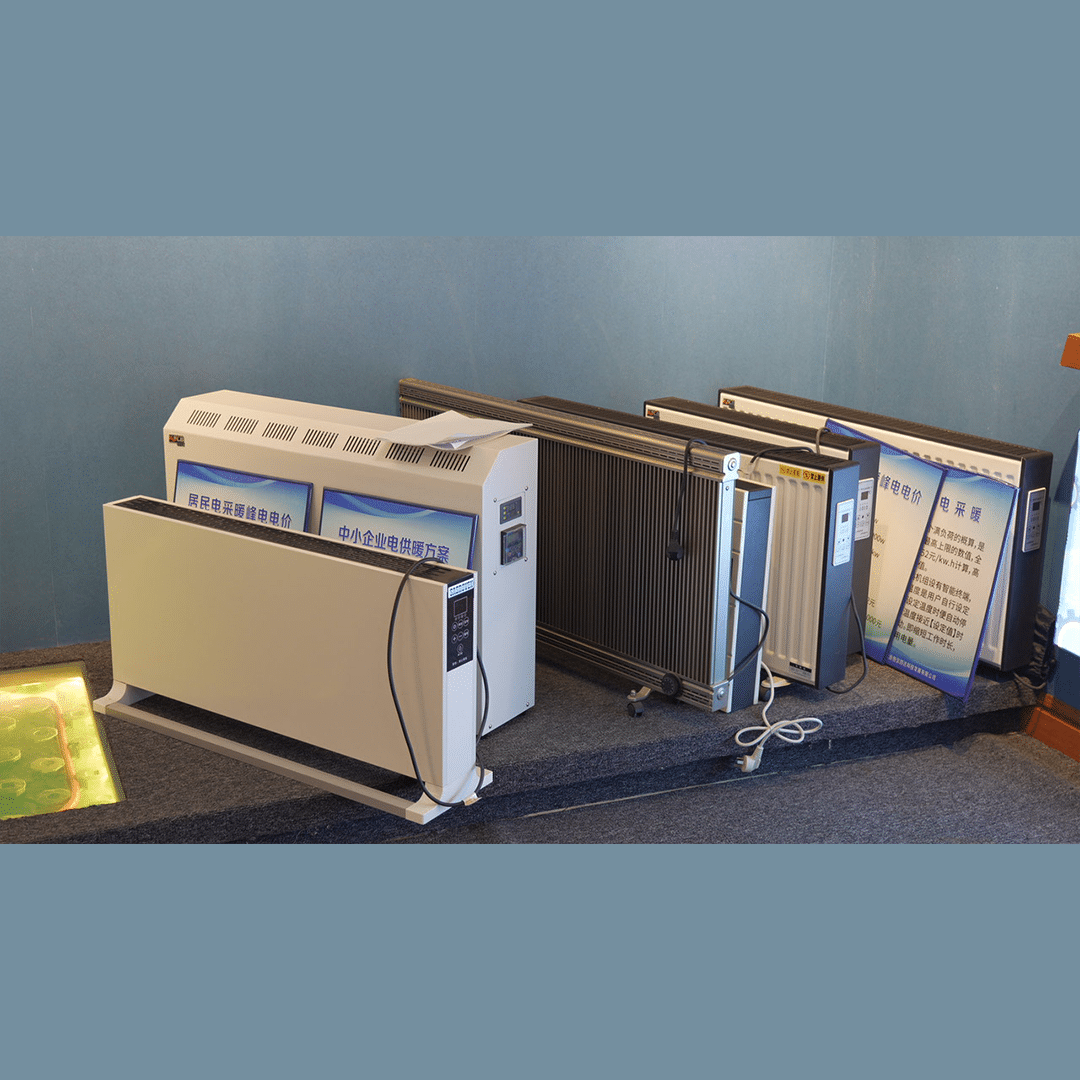
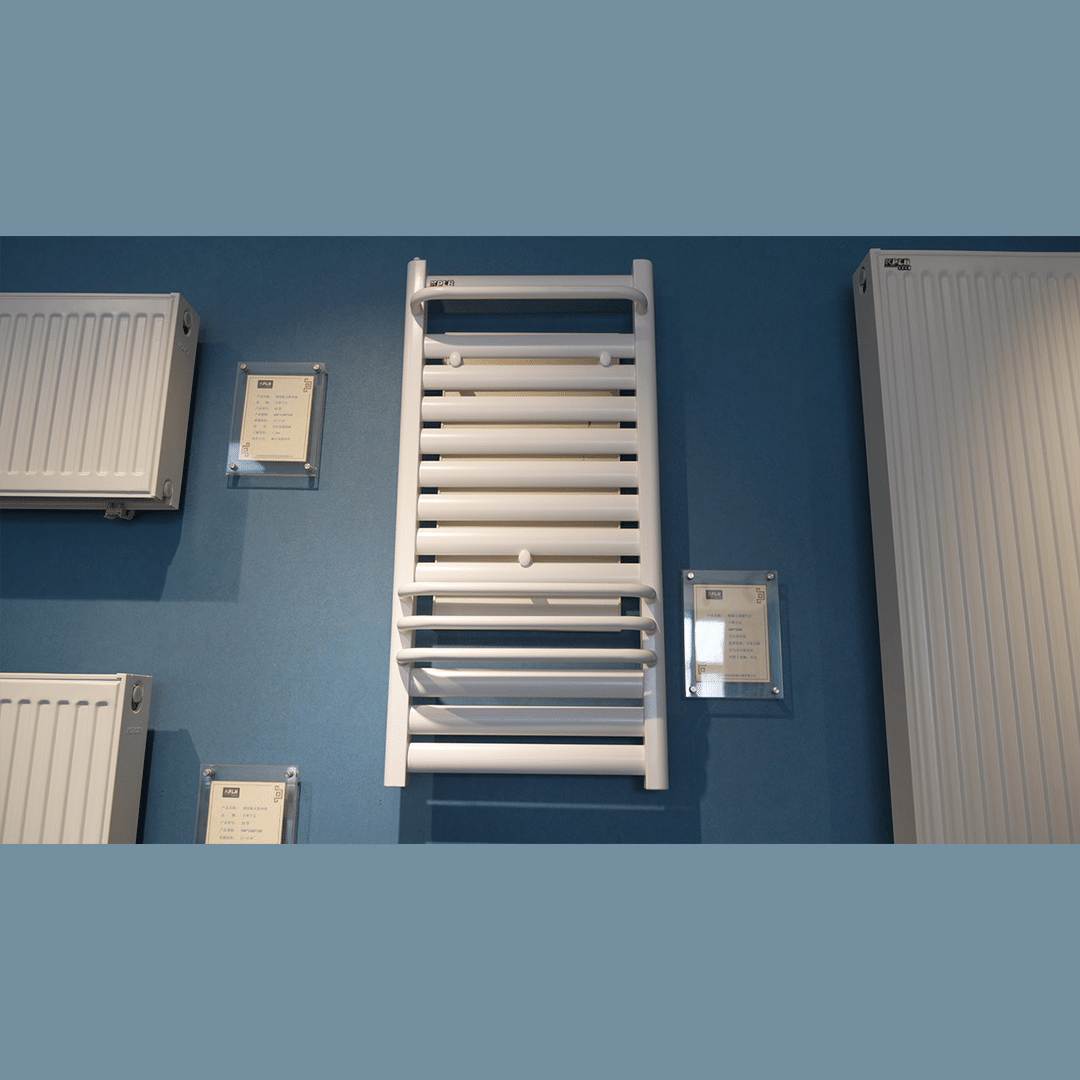
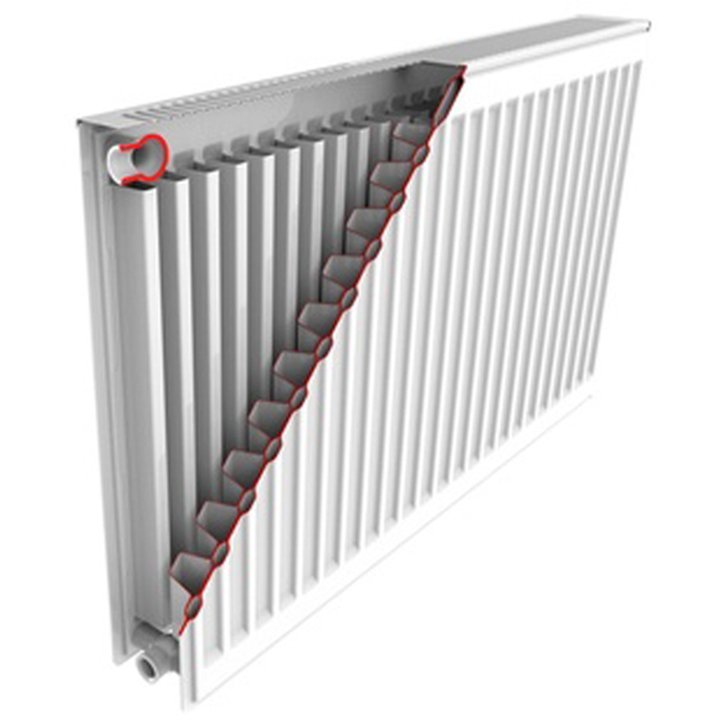
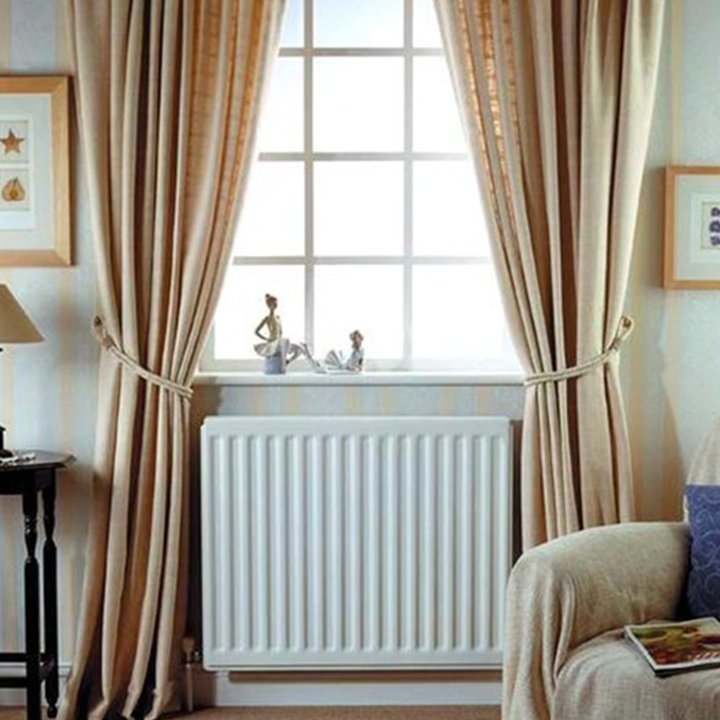
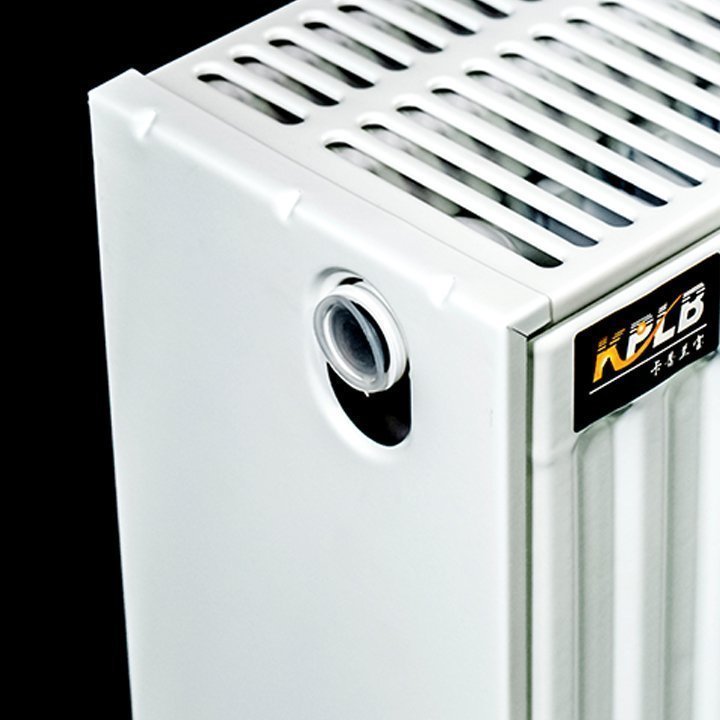
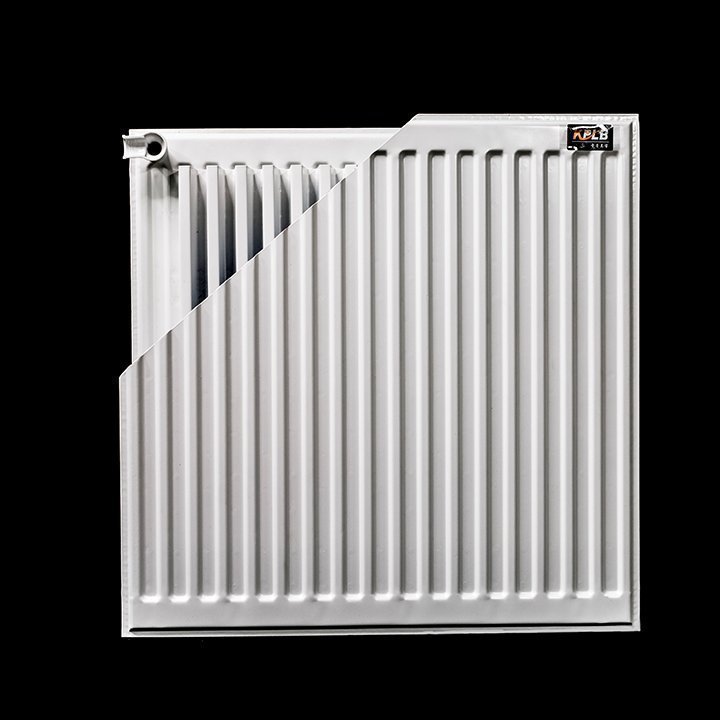
Panel radiator for HVAC (Heating, Ventilation, and Air Conditioning) is a device used in HVAC systems to dissipate heat and regulate indoor temperatures. These radiators transfer heat to warm the air, maintaining a comfortable indoor environment. Heating radiators can employ various principles, including convection, radiation, or a combination of both, depending on the system design and requirements. Commonly found in residential, commercial, and industrial buildings, they serve as a component of HVAC systems for heating and temperature control.
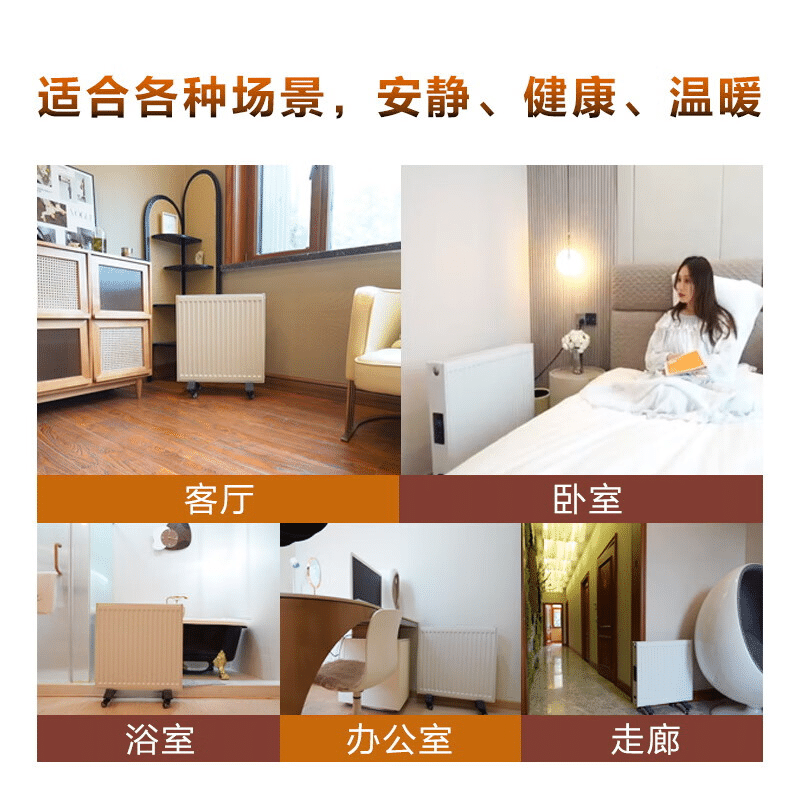
Features of Panel Radiator
Efficient Heat Transfer: The design of radiators aims at efficiently transferring heat into indoor spaces, ensuring prompt and effective warmth provision.
Diverse Operating Principles: Radiators can adopt various operating principles, including convection, radiation, or a combination of both, to meet different architectural and heating requirements.
Wide Applications: Radiators are widely used in various buildings, including residential, commercial, and industrial spaces, providing a comfortable heating environment.
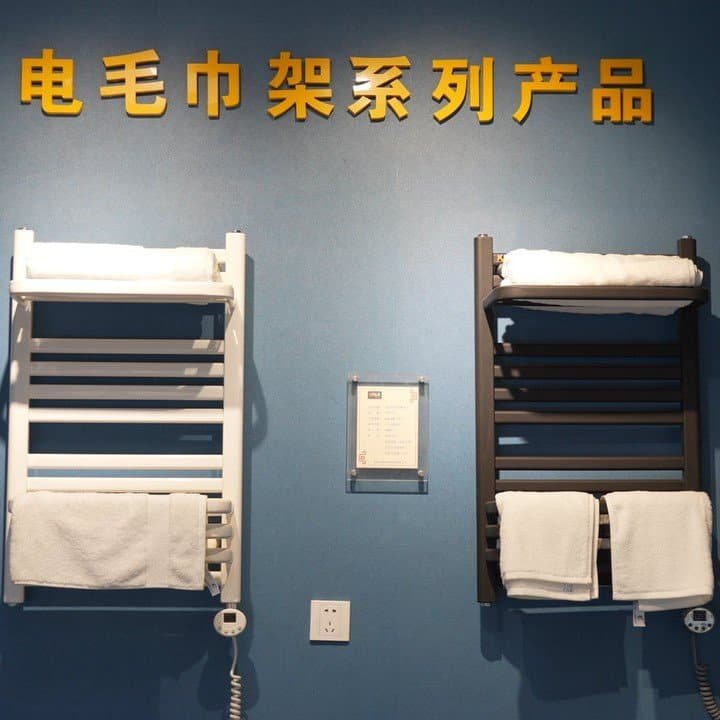
Temperature Control: Modern radiators often feature adjustable temperature settings, allowing users to precisely control indoor temperatures according to their needs.
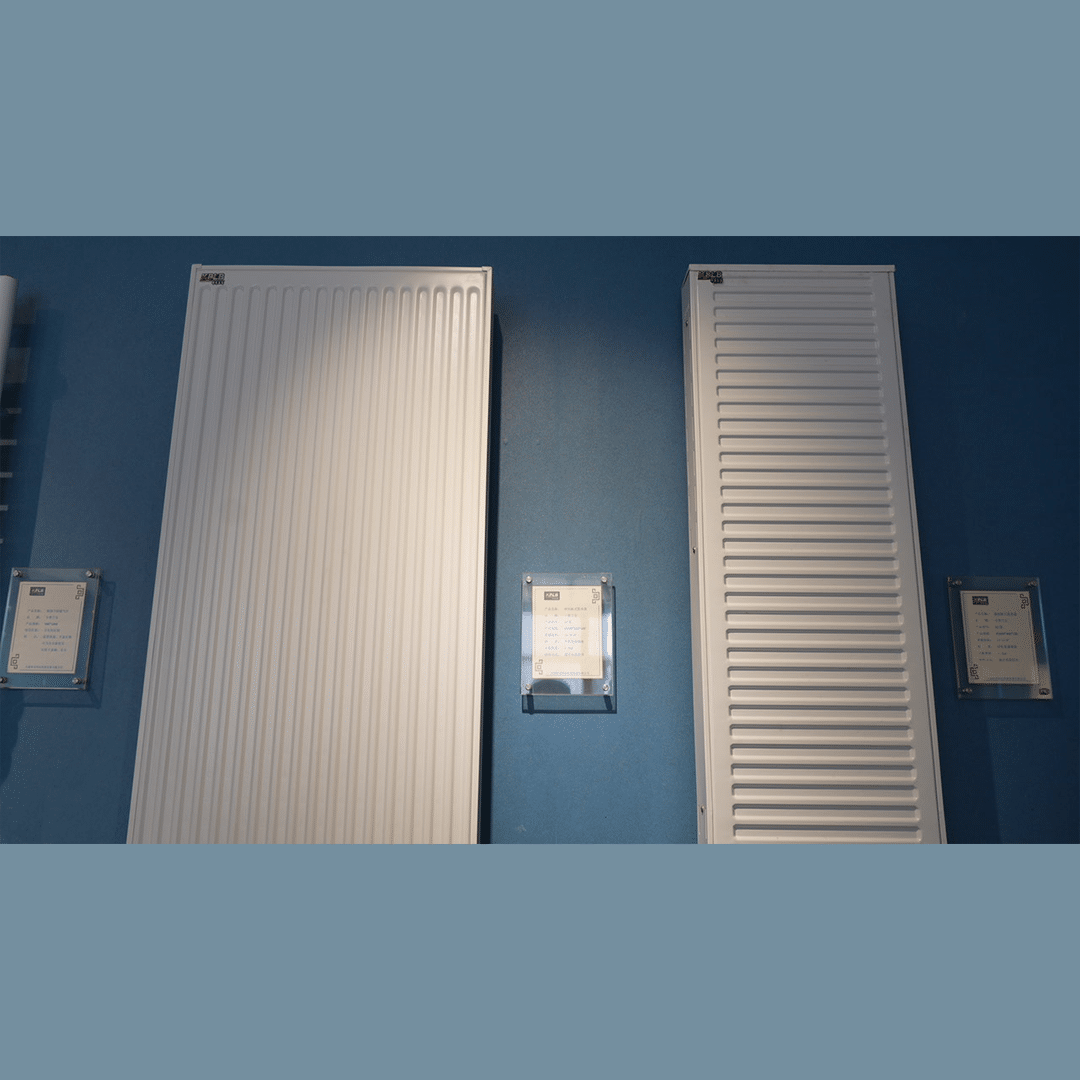
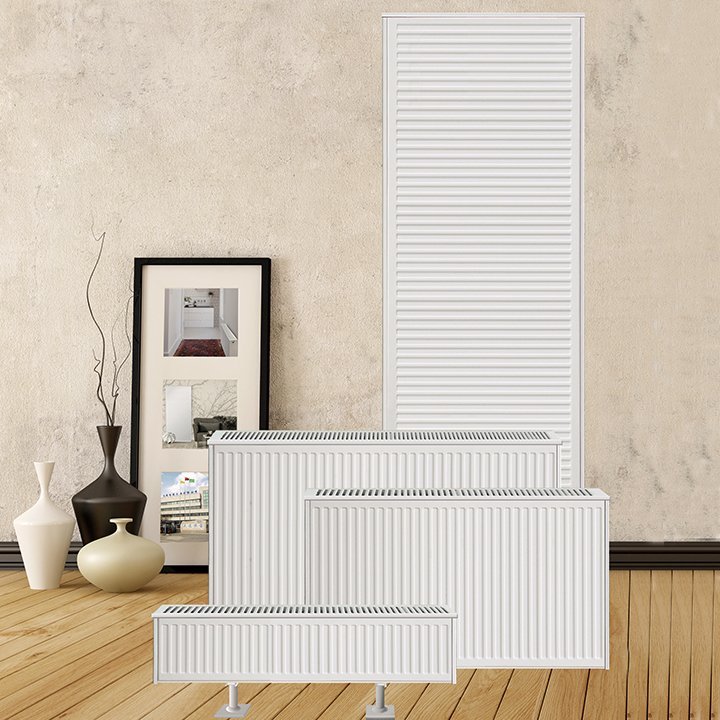
Design Diversity: Radiators come in a variety of designs, enabling users to choose different shapes, colors, and materials based on architectural styles and personal preferences.
Durability: High-quality radiators typically boast a longer lifespan, capable of withstanding regular use and changing temperature conditions.
Convenient Maintenance: The majority of radiators are designed with simplicity, making them easy to install and maintain, reducing user operational difficulties.
Energy-Efficient and Environmentally Friendly: Some advanced radiators incorporate energy-saving technologies, contributing to improved energy efficiency and a reduced environmental impact.
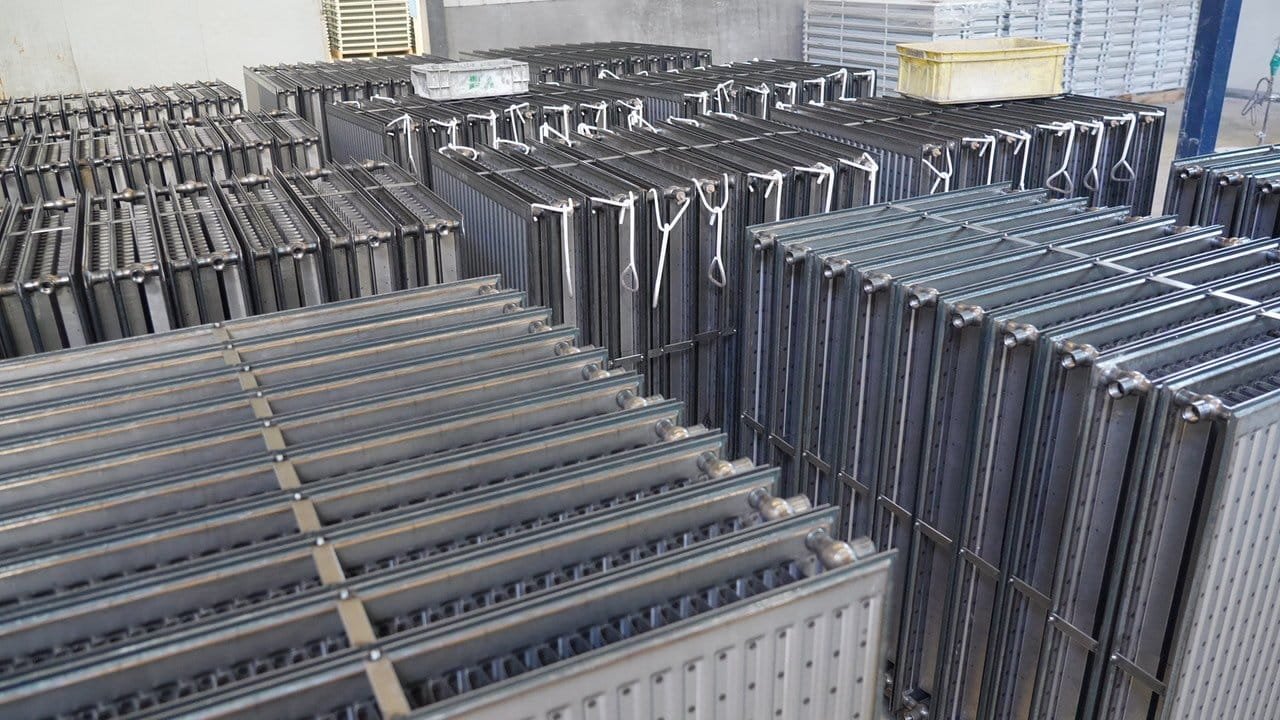
Applications of Panel Radiator
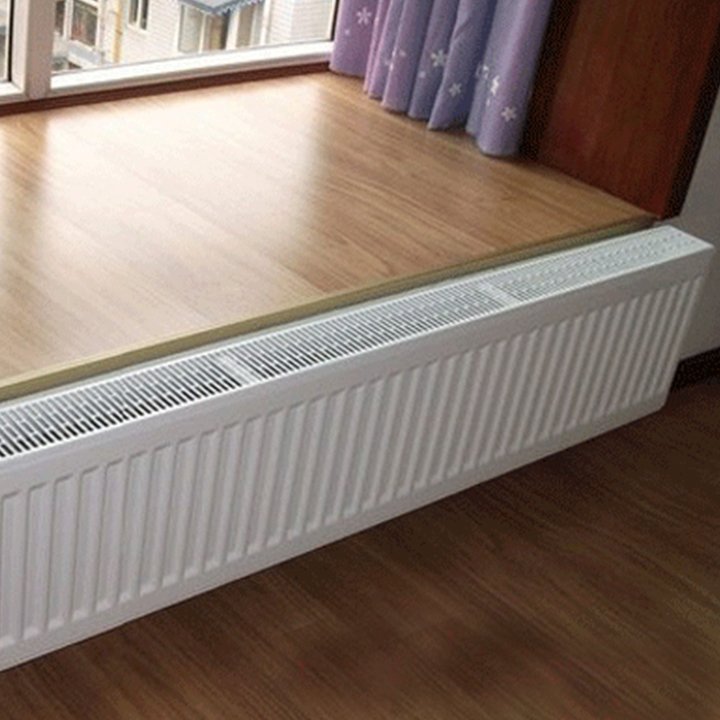
Residential Heating: Radiators are commonly found in residential spaces, connected to heating systems to provide a warm indoor environment for residents.
Commercial Buildings: Commercial structures such as office buildings, malls, hotels, etc., extensively utilize radiators to maintain a comfortable indoor temperature, creating pleasant working and shopping environments.
Industrial Facilities: In industrial facilities requiring stable temperatures, such as production workshops and warehouses, radiators are integrated into heating systems to ensure the smooth operation of manufacturing processes.
Medical Facilities: Radiators are used in hospitals and medical facilities to maintain suitable temperatures in wards, operating rooms, and other areas, ensuring the comfort and health of patients and healthcare professionals.
Greenhouse Cultivation: In greenhouses, radiators are employed to control temperatures, creating optimal environmental conditions conducive to the growth and development of plants.
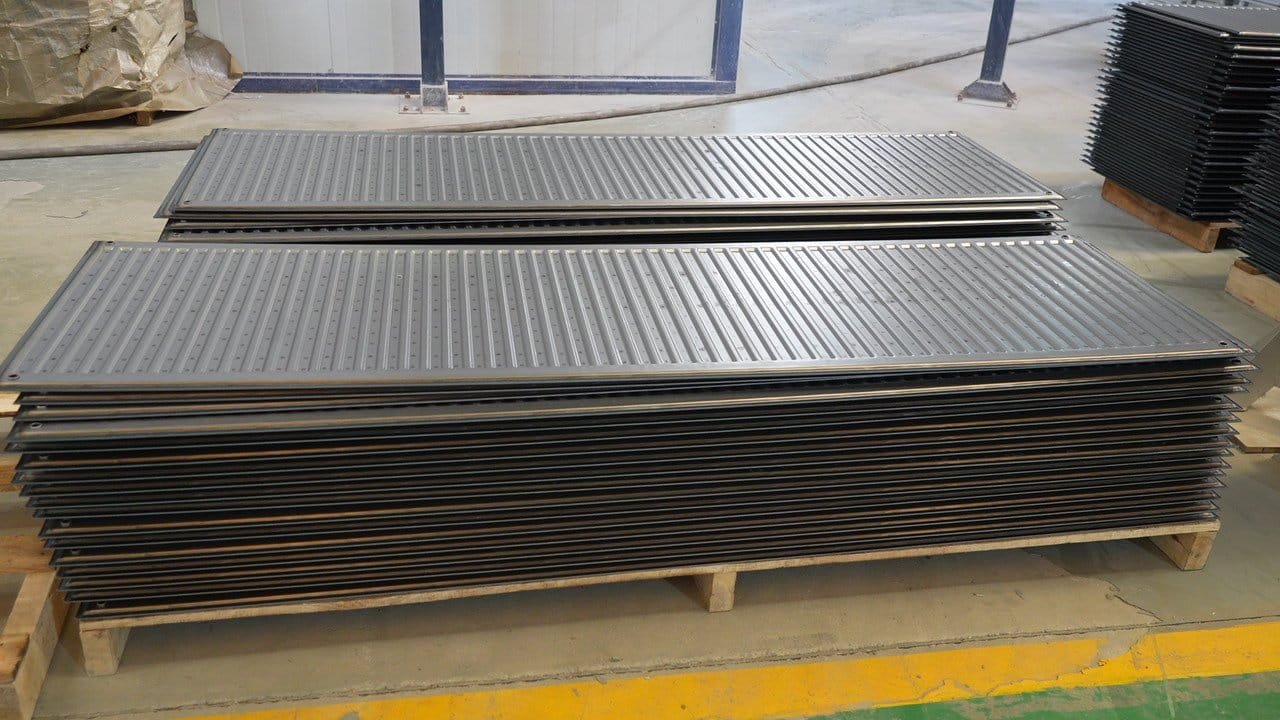
Our warehouse and transportation: