





Product description
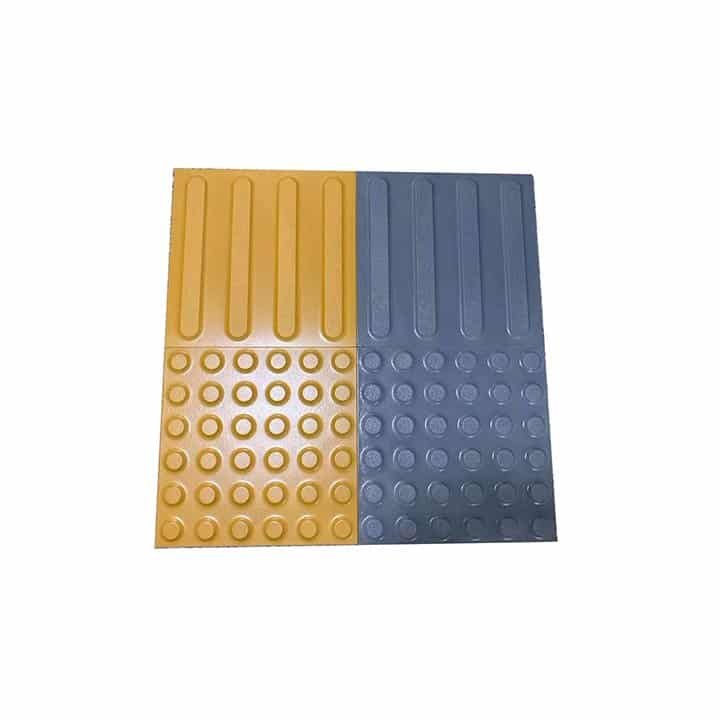
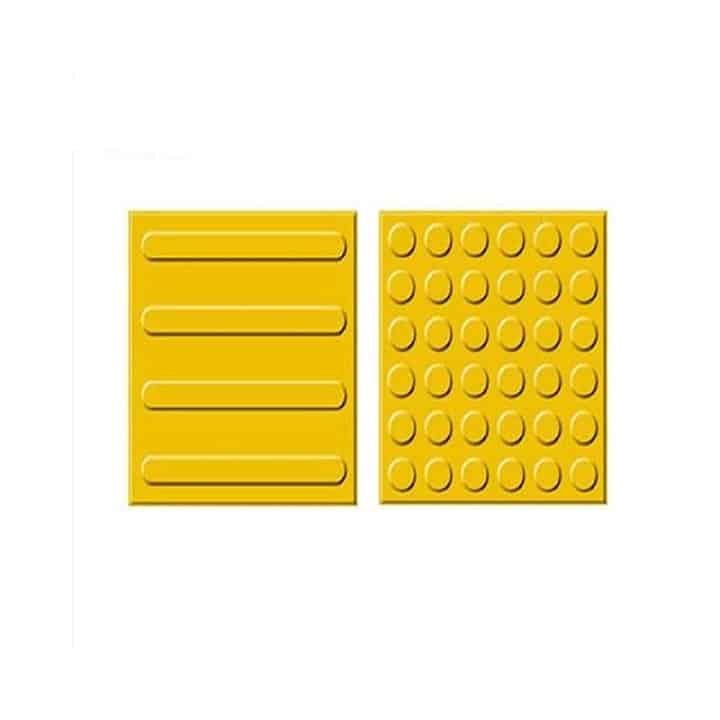
Tactile paving is a specialized surface feature designed to assist visually impaired individuals in navigating urban environments safely and independently. Consisting of raised or textured patterns, tactile paving provides tactile and visual cues to alert individuals to potential hazards, changes in elevation, or directional guidance.
Key Features:
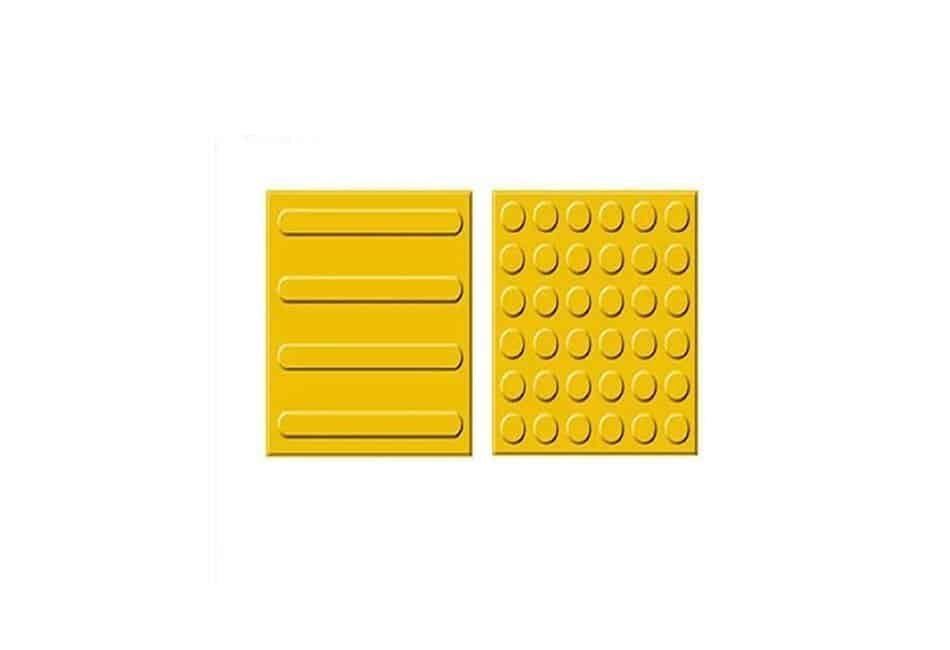
- Raised Patterns: Tactile paving features raised patterns or textures that can be felt underfoot, providing tactile feedback to visually impaired individuals.
- Contrast Colors: Often designed in high-contrast colors such as yellow or white against the surrounding pavement, enhancing visibility for those with low vision.
- Directional Guidance: Tactile paving is strategically laid out to indicate pathways, crosswalks, or transitions between different zones, aiding in directional orientation.
- Warning Signals: Specific patterns denote cautionary areas such as the edge of platforms, stairs, or intersections, alerting users to potential dangers.
- Durable Construction: Constructed from robust materials such as concrete or rubber, tactile paving is designed to withstand heavy foot traffic and adverse weather conditions.
- Universal Design: Tactile paving adheres to accessibility standards and guidelines, ensuring inclusivity for individuals with disabilities.
Applications:
- Pedestrian Crossings: Tactile paving is commonly installed at pedestrian crossings to indicate safe crossing points and guide individuals towards crosswalks.
- Public Transit Stations: Found on platforms and transit stations, tactile paving assists commuters in navigating boarding areas and identifying waiting zones.
- Urban Streetscapes: Integrated into sidewalks, tactile paving delineates pathways, ramps, and other pedestrian infrastructure elements within urban environments.
- Public Buildings: Installed at entrances, ramps, and staircases of public buildings, tactile paving facilitates access for individuals with disabilities.
Tactile paving plays a crucial role in promoting accessibility and inclusivity in urban environments, empowering individuals with visual impairments to navigate public spaces with confidence and independence.