





Product Description
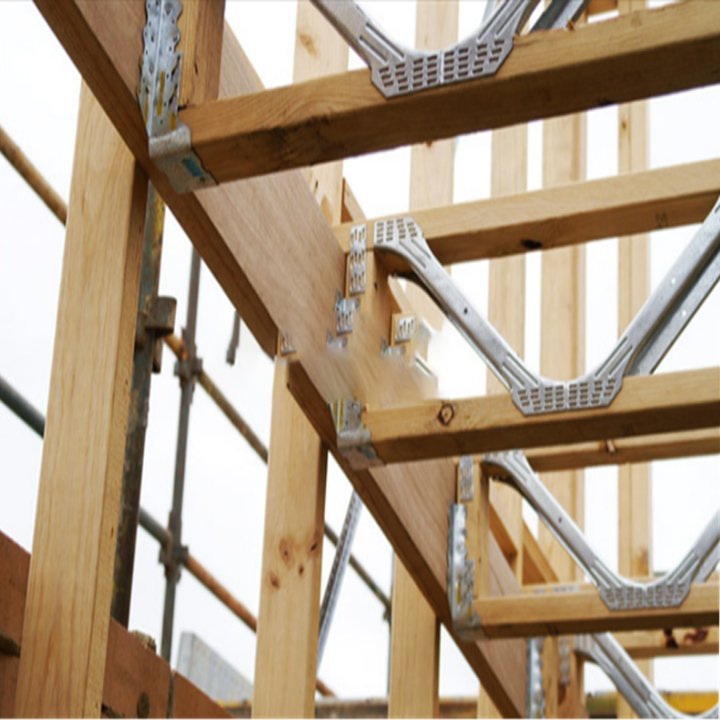
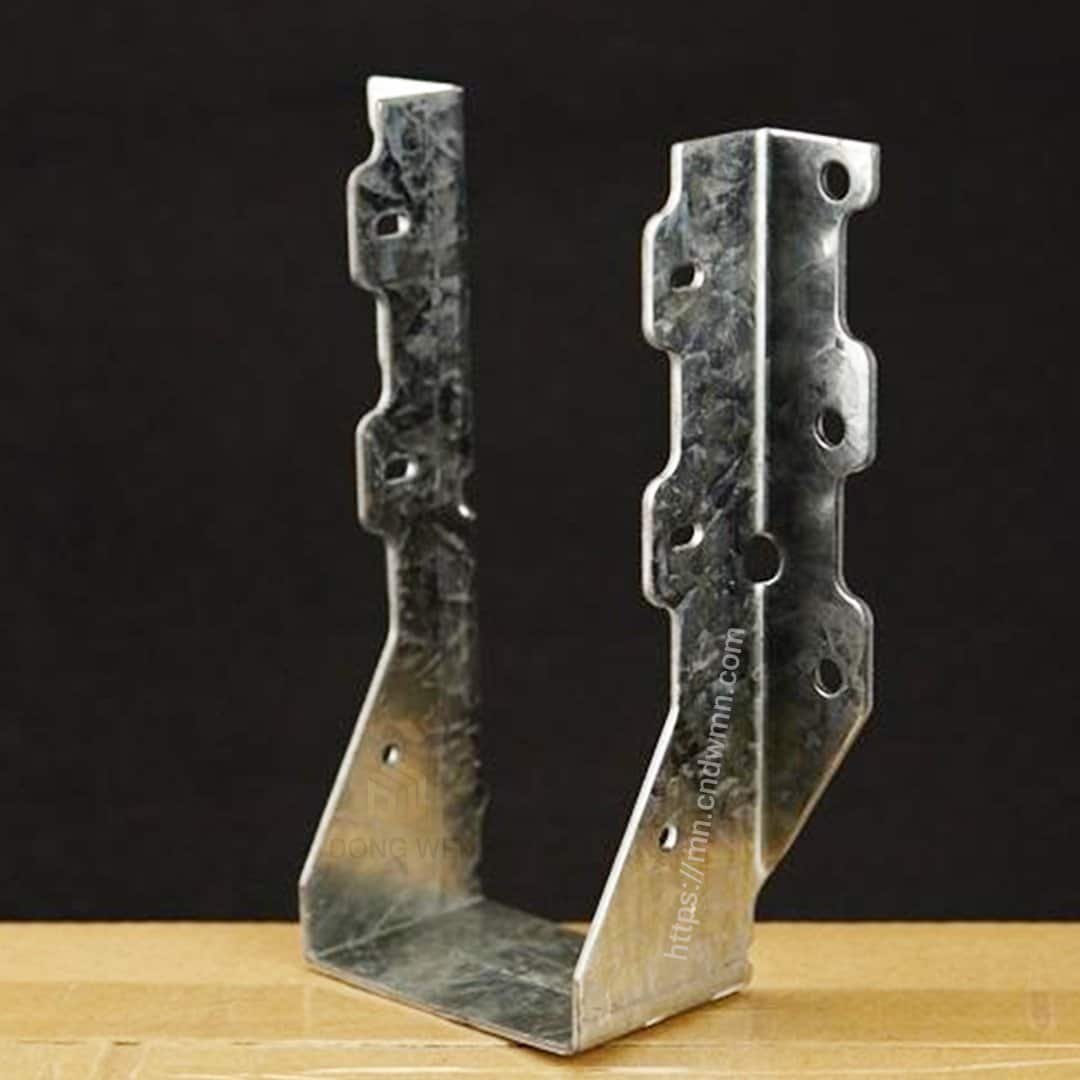
Wood structural connectors are specialized components used to connect and support wooden structural elements, primarily employed in the construction of villa-style wooden structures. These connectors play a crucial role in timber construction projects, ensuring a secure connection between wooden components and providing structural stability and safety. Typically made of metal materials such as steel or aluminum alloy, these connectors undergo specific designs to meet various requirements for connecting wooden structures.
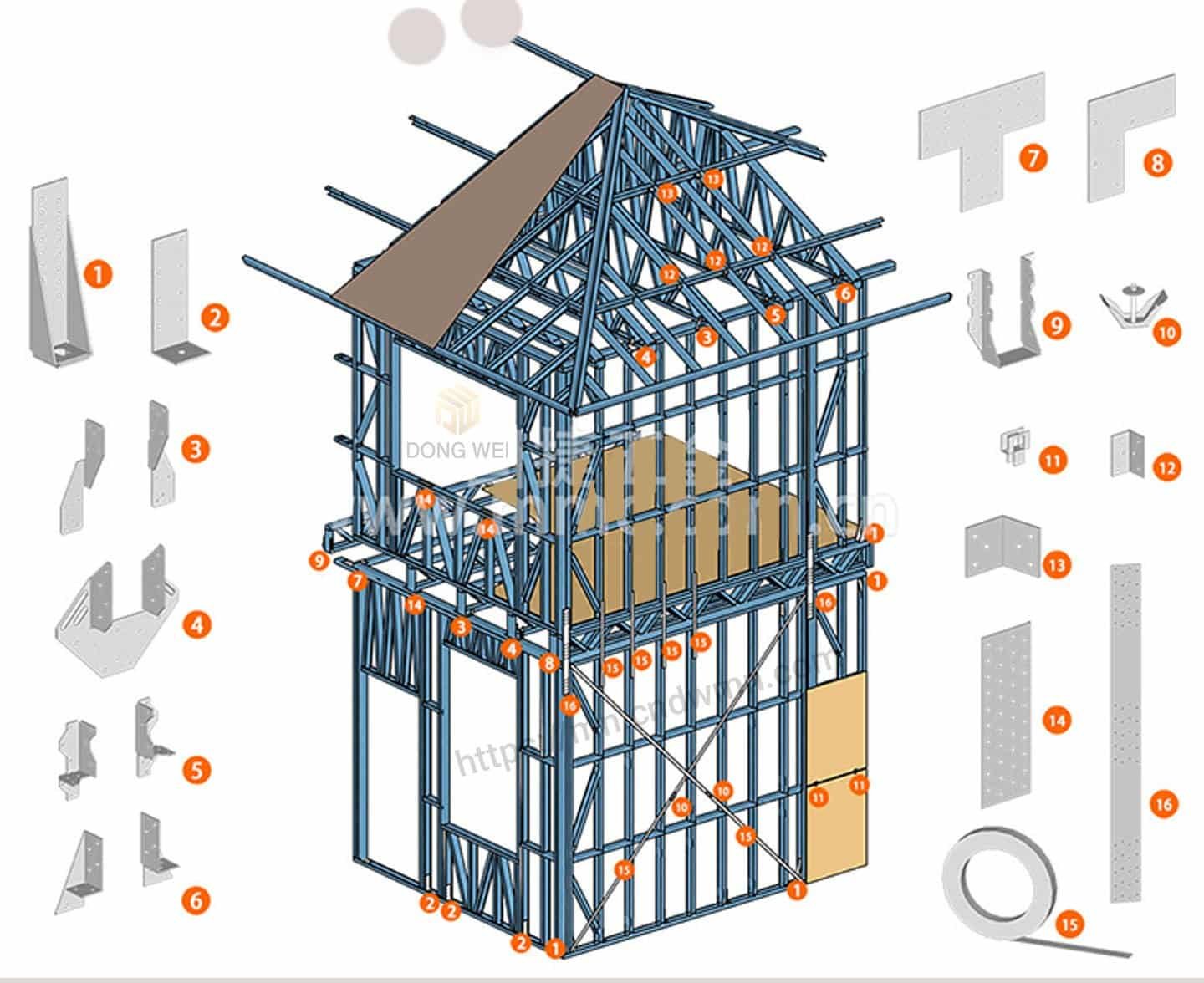
Common wood structural connectors for villas
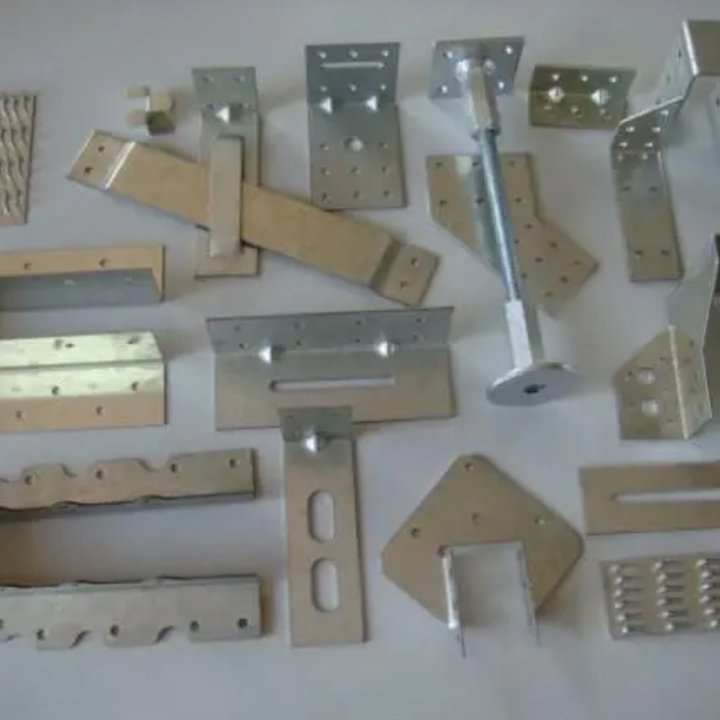
- Bolts and nuts: Used to connect wooden beams, columns, and other components, providing strong connection through threaded design.
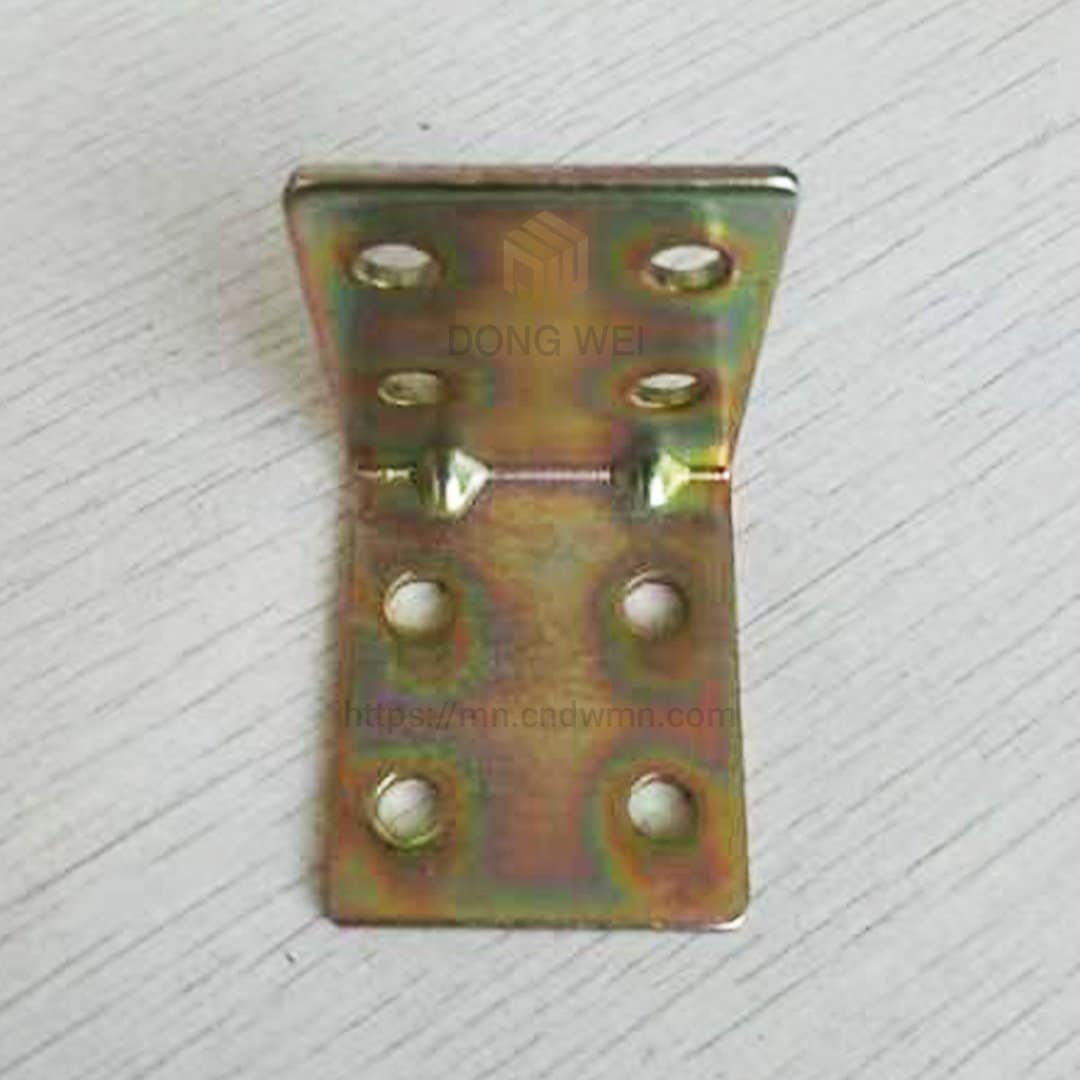
- Angle brackets and braces: Provide additional support and angular reinforcement, enhancing the stability of the wooden structure.
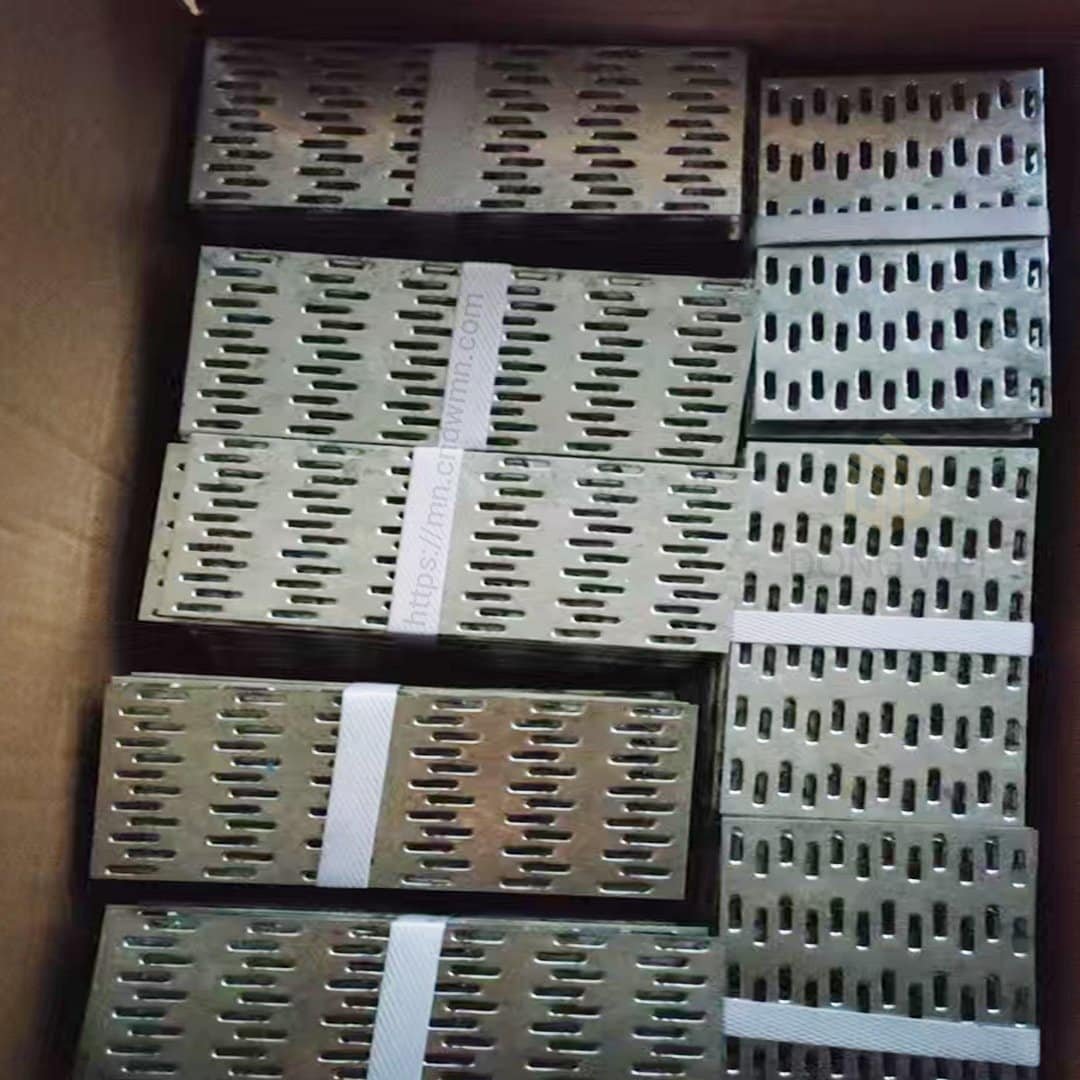
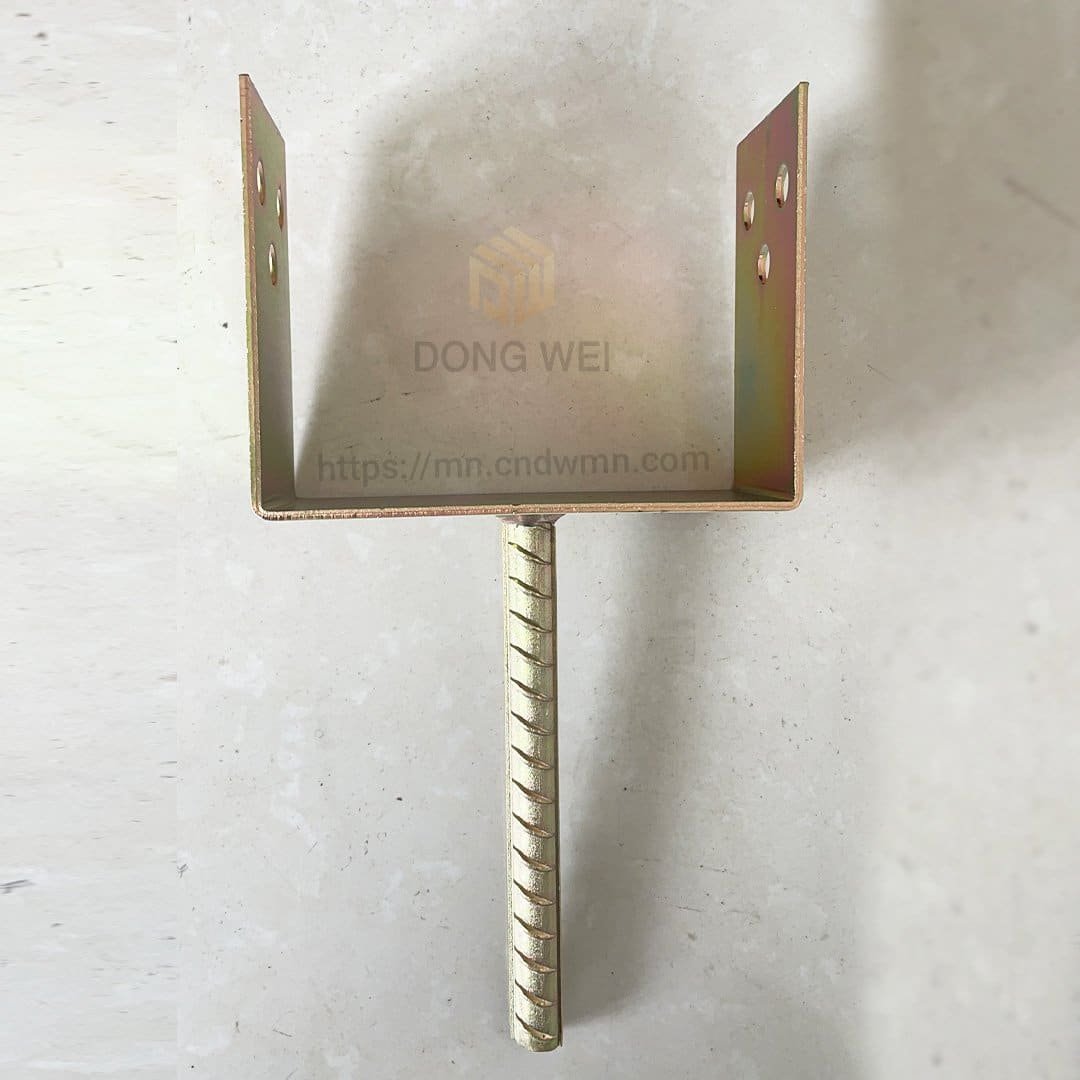
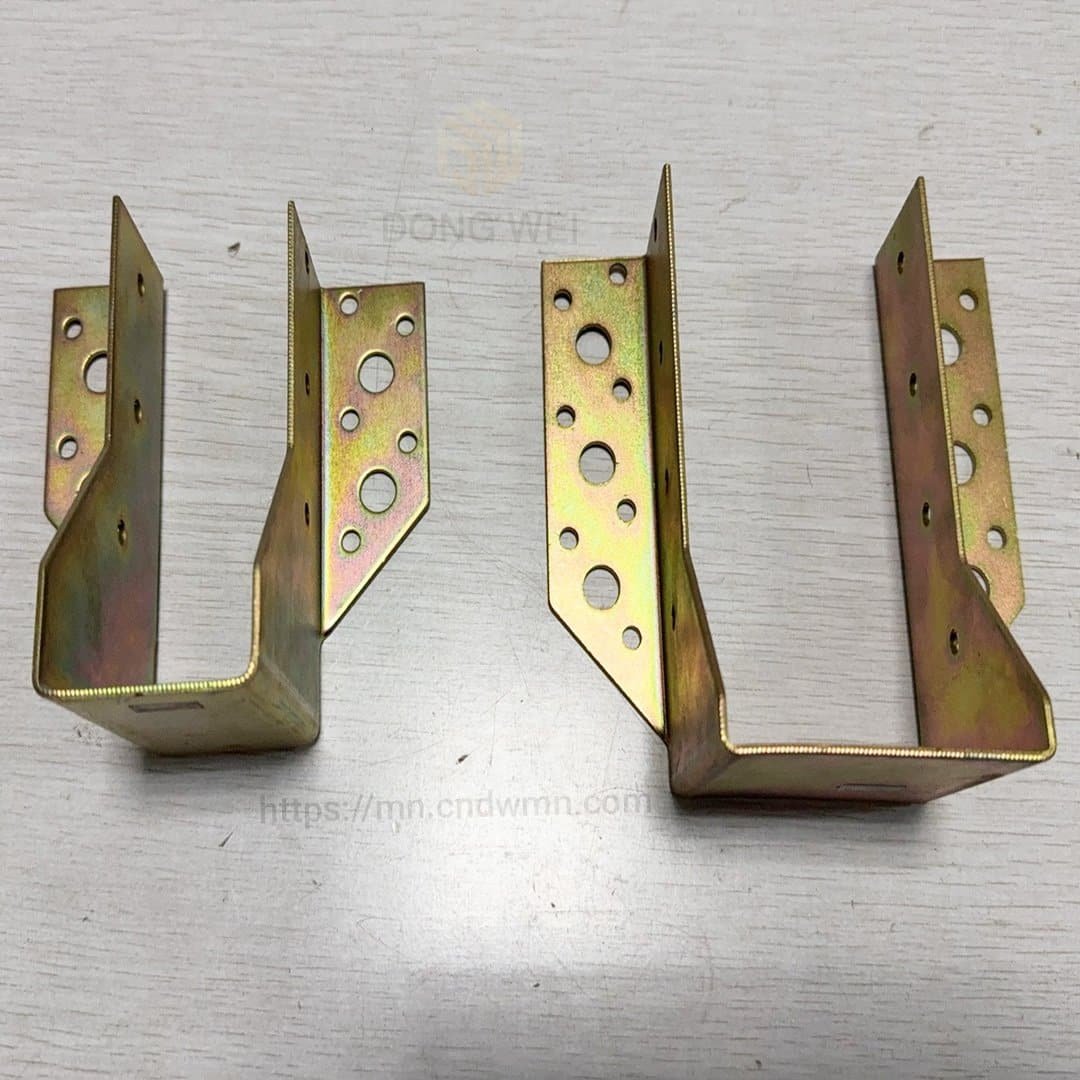
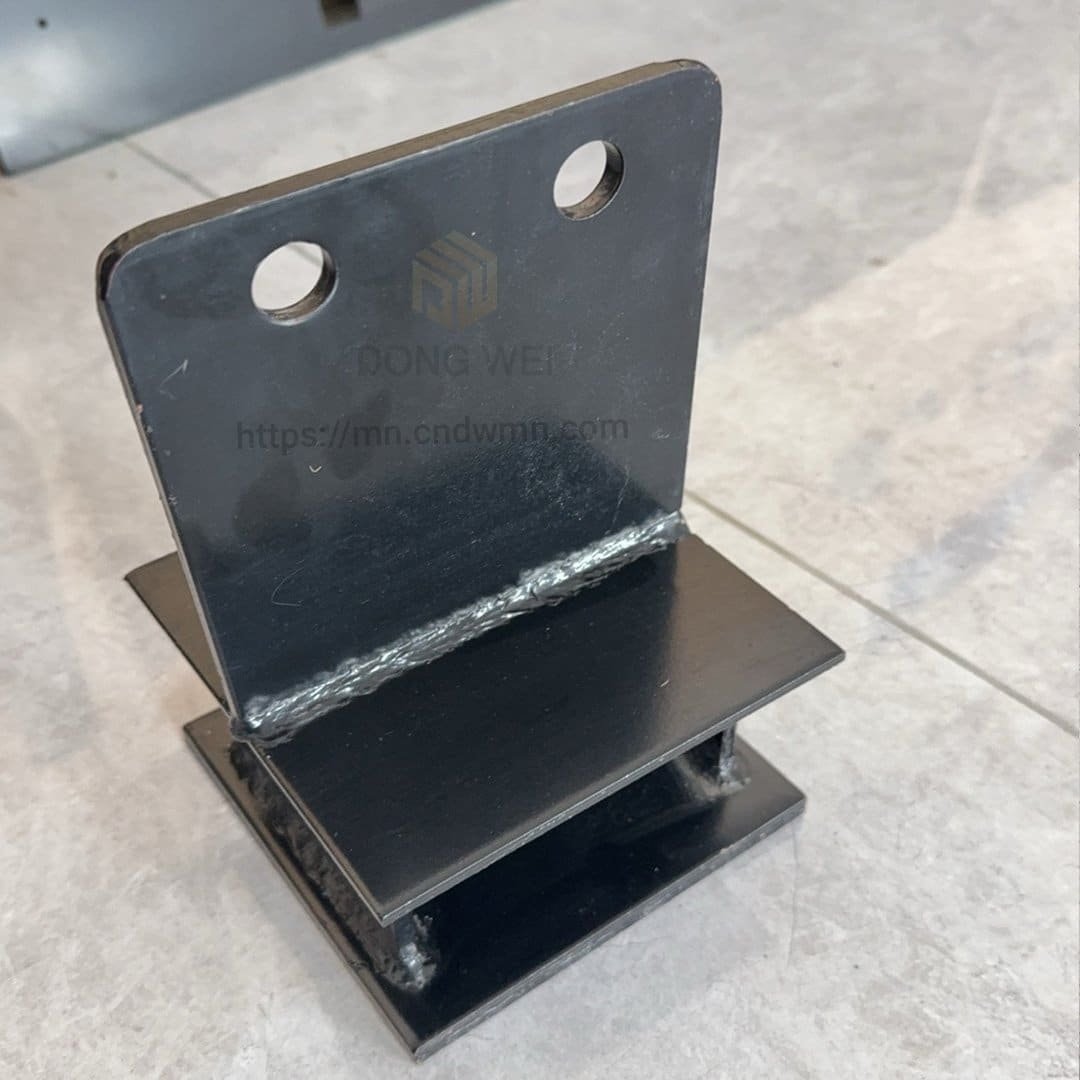
- Connecting plates and washers: Used to connect wooden beams and columns, increasing the connection surface area and strength.
- Wood nails and screws: Common means of connection for wooden components, typically reducing the risk of cracks by pre-drilling.
- Corner braces and connector plates: Used to connect wooden beams, columns, and walls, providing additional structural support.
- Mortise and tenon joints: Achieve connections and support between wooden components through interlocking structures.
Characteristics of Wood Structural Connectors for Villas
- Structural Strength: These connectors are typically made of high-strength metal materials to ensure sufficient structural strength when connecting wooden structural components, meeting the safety requirements of the building.
- Corrosion Resistance: As connectors are often exposed to outdoor environments, their materials often possess corrosion resistance to ensure long-term use unaffected by natural elements.
- Easy Installation: Designed for ease of construction, connectors are typically easy to install, contributing to improved construction efficiency.
- Adaptability: These connectors are designed with a degree of flexibility to adapt to different types of wood structures and architectural design requirements.
- Aesthetic Appeal: For visible connection points, connectors may undergo surface treatments to enhance their aesthetic appearance, aligning with the high-quality architectural requirements of villas.
- Compliance with Building Codes: The design and use of these connectors need to comply with relevant building codes and standards to ensure the legality and safety of the building structure.