




Product Description
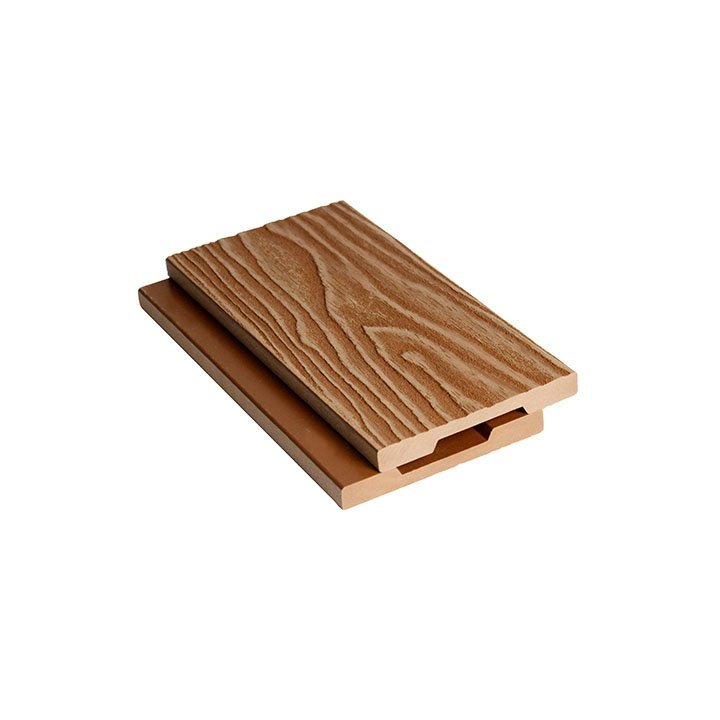
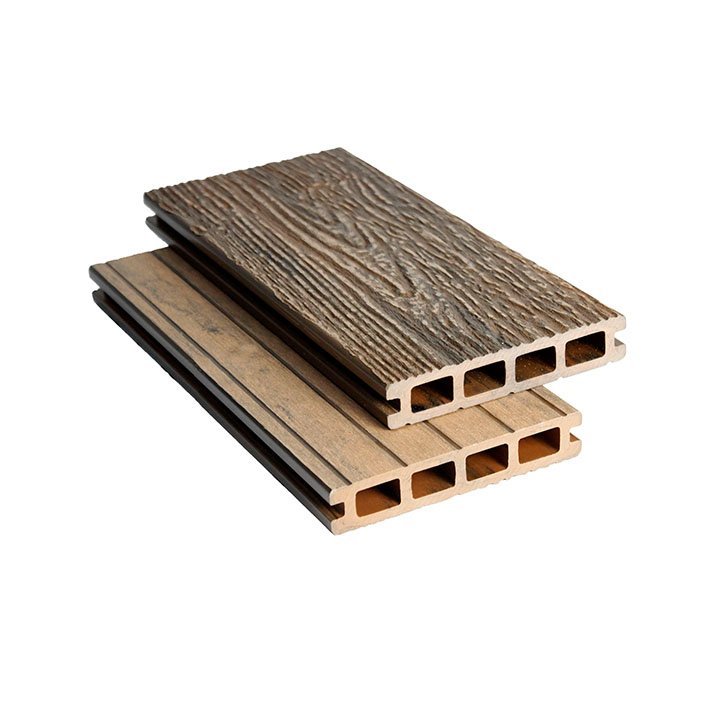
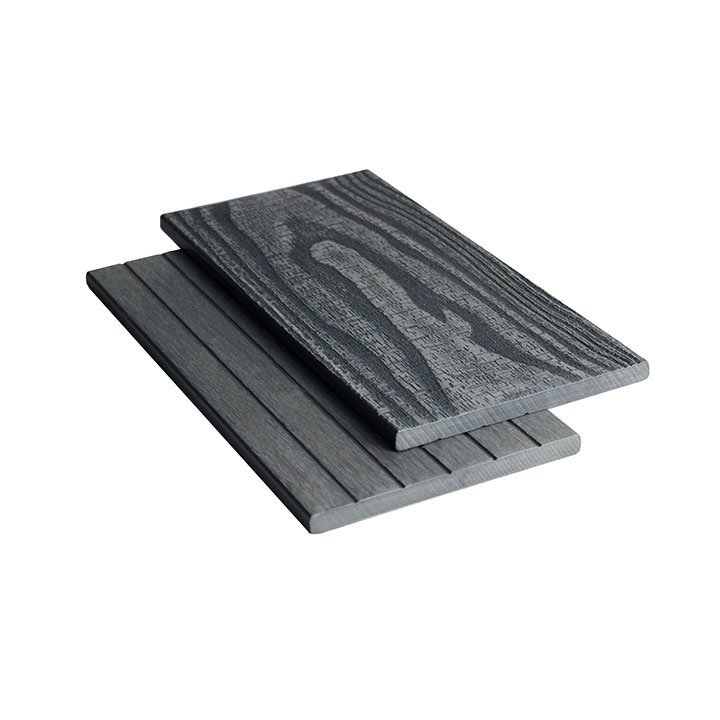
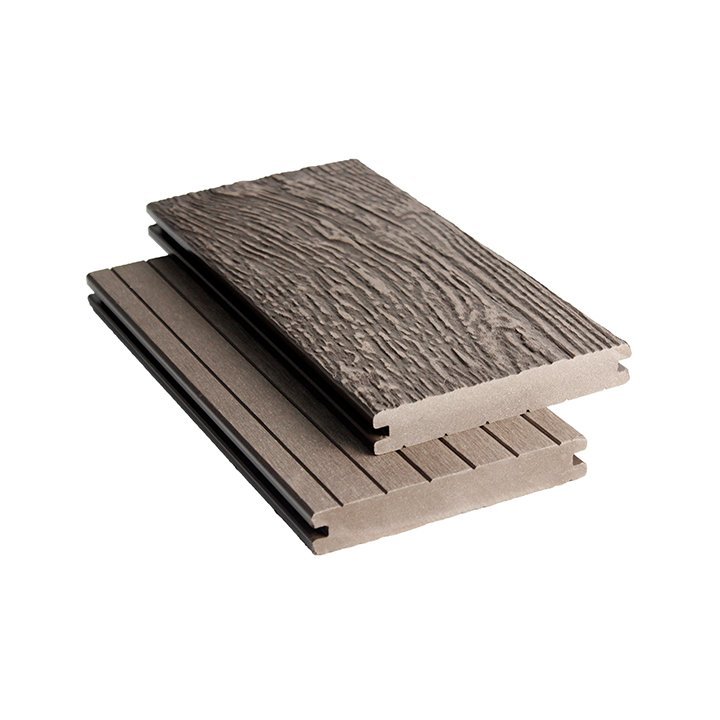
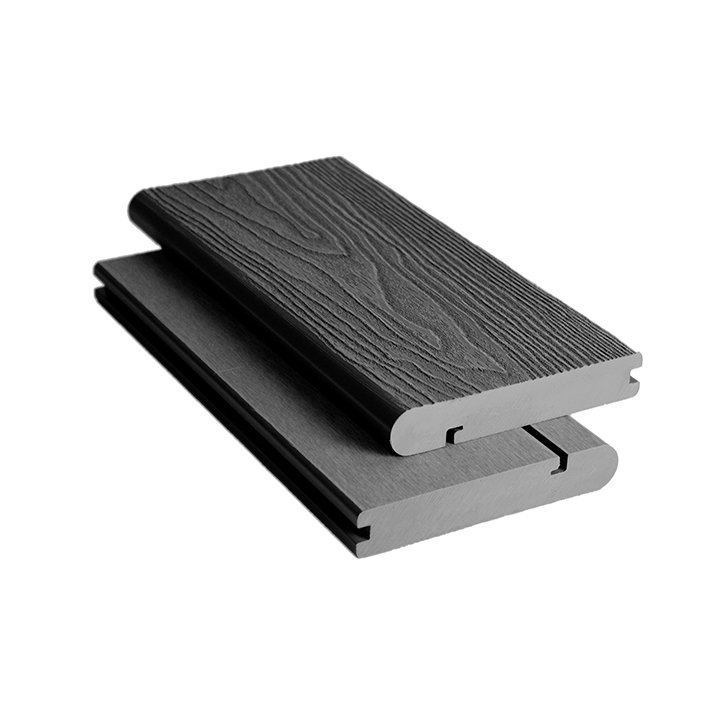
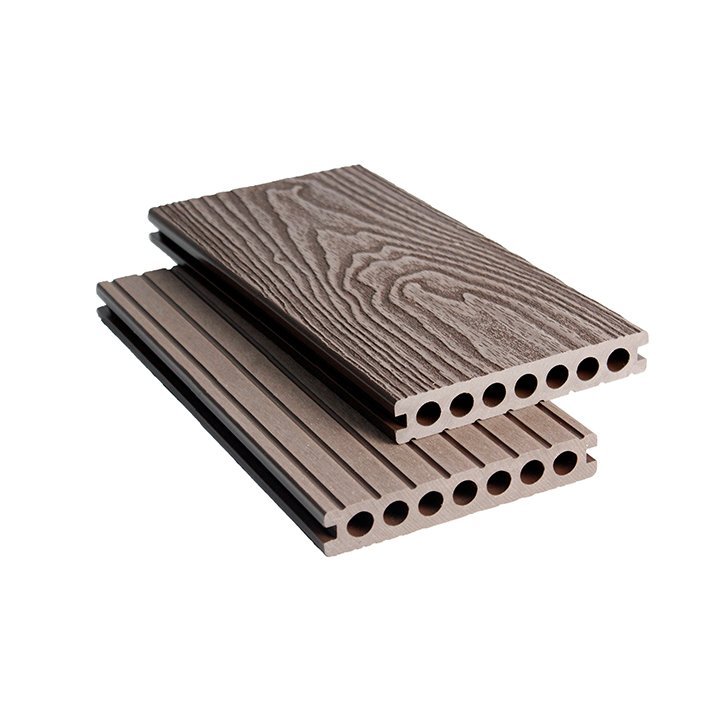
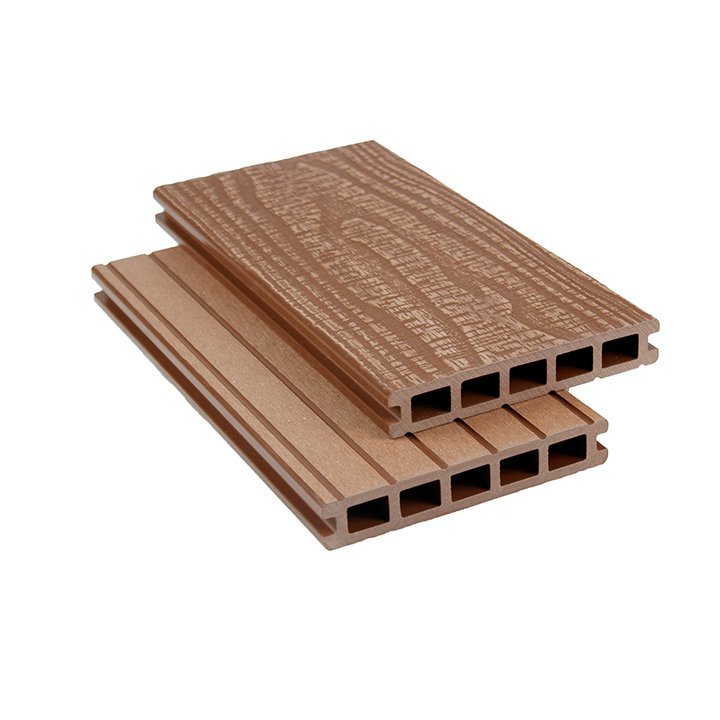
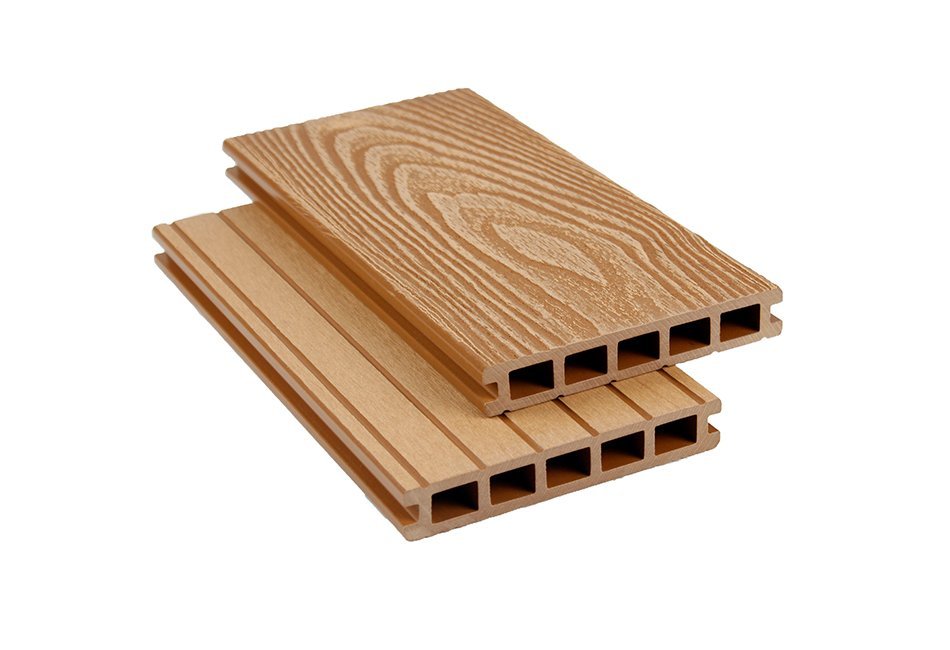
Wood-plastic composite (WPC) flooring is a novel and environmentally friendly material. In its production, wood phenol generated during the process of high-density fiberboard production is mixed with recycled plastic through granulation equipment to form wood-plastic composite material. Subsequently, it undergoes extrusion production to create wood-plastic flooring.
Features of Wood Plastic Composite (WPC) Flooring
Waterproof and moisture-proof: It fundamentally solves the problems of wood products being prone to decay, swelling, and deformation in humid and watery environments, allowing for applications in environments where traditional wooden products cannot be used.
Rich colors: There are numerous color options available. It not only possesses the natural wood texture and grain but can also be customized to meet individual preferences.
Strong plasticity: It can easily achieve personalized designs, showcasing distinct individual styles.
High fire resistance: Effectively inhibits combustion, achieving a fire rating of B1. It self-extinguishes in case of fire, producing no toxic gases.
Good processability: It can be planed, sawed, drilled, and painted on the surface.
Simple installation, convenient construction: It does not require complex construction processes, saving installation time and costs.
Crack-free, non-expanding, non-deforming, low maintenance: It does not require repairs or maintenance, is easy to clean, and saves on future maintenance expenses.
Good sound absorption and energy-saving effects: Indoor energy savings can reach over 30%.

Applications of Wood Plastic Composite (WPC) Flooring
- Outdoor Plazas:
- WPC flooring is used in outdoor plazas for its durability and aesthetic appeal. It provides a natural look while being resistant to environmental factors.
- Public Parks:
- In public parks, WPC flooring is applied to pathways and recreational areas. Its resistance to wear and tear, low maintenance requirements, and anti-slip properties make it suitable for heavy foot traffic.
- Swimming Pools:
- WPC flooring is utilized around swimming pools due to its water-resistant nature. It prevents slipping, is comfortable for bare feet, and requires minimal upkeep, making it ideal for poolside areas.
- Scenic Areas:
- WPC flooring is chosen for scenic areas to enhance the natural surroundings. Its ability to resist fading, cracking, and its environmentally friendly composition make it a preferred choice for landscapes.
- Low Maintenance:
- WPC flooring doesn’t require paint or glue, reducing maintenance costs. Its resistance to cracking means it maintains its appearance over time, reducing the need for frequent repairs or replacements.
- Environmental Benefits:
- Being made from 60% wood powder and 30% high-density plastic, WPC flooring contributes to saving forest resources. Its eco-friendly composition aligns with sustainable practices.
- Versatility:
- The versatility of WPC flooring allows it to be used in various outdoor settings. Its diverse styles and colors cater to different aesthetic preferences, providing a range of options for designers and property owners.
- Comfort and Safety:
- The anti-slip properties of WPC flooring make it safe for use in areas where people walk barefoot, such as around swimming pools. Its comfortable surface adds to the overall enjoyment of outdoor spaces.