



What is the Difference Between Extruded Polystyrene and Expanded Polystyrene?

When it comes to insulation materials, Extruded Polystyrene (XPS) and Expanded Polystyrene (EPS) are two popular choices. Both materials offer excellent thermal insulation properties and have specific applications in construction, packaging, and other industries. However, they have distinct differences that can influence which material is best suited for a particular project. In this article, we will explore these differences and highlight the offerings from Dongweiyuanyu Building Materials Trading Company, a supplier known for providing high-quality Extruded Polystyrene foam at competitive prices, especially in Mongolia.
Composition and Manufacturing Process
The primary difference between XPS and EPS lies in their manufacturing processes. Extruded Polystyrene is produced through a continuous extrusion process. During this process, polystyrene resin is melted and forced through a die, which shapes it into sheets. As it exits the die, it is expanded using gas, creating a closed-cell structure. This results in XPS having a smooth, dense surface that is highly resistant to moisture absorption.
On the other hand, Expanded Polystyrene is made by expanding polystyrene beads using steam and heat. The beads are then molded into various shapes or left as loose fill. This process creates an open-cell structure, which means that EPS contains air pockets that can absorb moisture more readily than XPS. As a result, the moisture resistance of EPS is generally lower than that of XPS.
Insulation Properties
Both materials exhibit excellent thermal insulation properties, but their performance can differ based on their structure. XPS has a higher R-value per inch compared to EPS, meaning it provides better thermal resistance with less thickness. This characteristic makes XPS a preferred choice for applications where space is limited or where superior insulation is crucial, such as below-grade insulation and insulated roofing systems.
EPS, while slightly less efficient in terms of R-value, has excellent insulating properties that make it suitable for a wide range of applications, including wall insulation and packaging. Its lower cost and versatility often make it the go-to option for general insulation needs.
Applications
The applications for XPS and EPS can overlap but typically cater to different needs. XPS is commonly used in demanding applications such as commercial buildings, flat roofs, and below-ground structures. Its superior moisture resistance and durability make it ideal for environments that experience high humidity or direct water exposure.
EPS, conversely, is widely used in residential applications, such as wall insulation and under concrete slabs. Its lightweight nature and cost-effectiveness make it an attractive choice for many builders and contractors. Additionally, EPS is often used in packaging due to its cushioning properties.
Cost Considerations
Cost is often a significant factor when choosing between XPS and EPS. Generally, EPS is less expensive than XPS, making it a popular choice for budget-conscious projects. However, XPS offers long-term savings due to its superior insulating capabilities, which can lead to reduced energy costs over time.
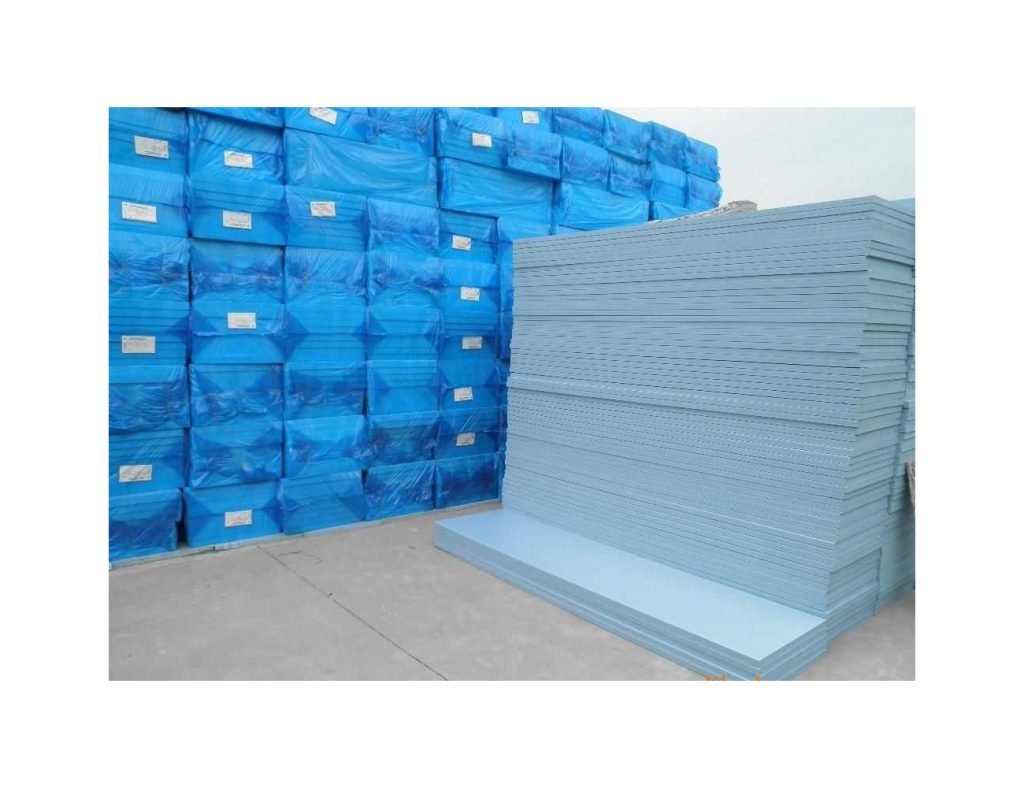
Dongweiyuanyu Building Materials Trading Company stands out in the market for its high-quality Extruded Polystyrene foam, which is competitively priced. The company has established a solid reputation over the years, particularly in Mongolia, where they have been supplying XPS for various construction projects. Customers have appreciated the reliability and performance of Dongweiyuanyu’s products, ensuring they receive value for their investment.
Environmental Impact
Both XPS and EPS are made from polystyrene, which is derived from petroleum. However, the environmental impact of these materials can vary. XPS production is often criticized for its use of hydrofluorocarbons (HFCs), which are potent greenhouse gases. In contrast, EPS can be recycled more easily, and its production can be less environmentally damaging when managed correctly.
Many companies, including Dongweiyuanyu, are making efforts to reduce their environmental footprint by adhering to sustainable practices and exploring eco-friendly alternatives.
Conclusion
In summary, the choice between Extruded Polystyrene and Expanded Polystyrene depends on specific project requirements, including insulation performance, cost, and application. While XPS offers superior moisture resistance and thermal performance, EPS provides a cost-effective solution for a variety of insulation needs. Dongweiyuanyu Building Materials Trading Company is a reliable supplier of high-quality Extruded Polystyrene foam at competitive prices, ensuring that customers in Mongolia and beyond receive the best materials for their projects. When choosing insulation materials, it’s essential to consider all these factors to ensure the right decision for your needs.
If you need to XPS for any of the above or other applications, click here and contact our company.
If you want to know more about XPS and the full range of products it offers, click here.