



WPC vs SPC: Comparing Two Popular Flooring Options

When it comes to modern flooring solutions, WPC vs SPC flooring have become two of the most popular choices for residential and commercial spaces. Both types of flooring offer excellent durability, water resistance, and aesthetic appeal. However, they differ in composition, structure, and performance. Understanding the similarities and differences between WPC vs SPC flooring can help homeowners and builders make informed decisions about which type is best suited for their needs.
Composition and Structure: WPC vs SPC
The most significant difference between WPC and SPC flooring lies in their core composition. WPC flooring features a core made from a blend of wood pulp and plastic polymers. This composition gives WPC a softer and more comfortable feel underfoot. In contrast, SPC flooring has a rigid core made from a blend of limestone and plastic, resulting in a denser and more stable product.
- WPC Flooring: The wood plastic core in WPC gives it a slight cushion, making it more comfortable to walk on. This characteristic makes it an excellent choice for living spaces where comfort and warmth are priorities. However, the softer core also makes WPC slightly less durable than SPC when subjected to heavy traffic or impacts.
- SPC Flooring: SPC’s stone plastic core is incredibly rigid and dense. This rigid core provides greater resistance to dents, scratches, and wear. Due to its dense composition, SPC flooring is ideal for high-traffic areas or spaces that require extra durability, such as kitchens, bathrooms, or commercial settings.
Water Resistance: A Key Similarity
Both WPC and SPC flooring offer excellent water resistance, making them suitable for areas prone to moisture, such as kitchens, bathrooms, and basements. Since both flooring types feature a waterproof core, they are not prone to swelling, warping, or moisture damage.
- WPC Flooring: Although WPC is slightly softer, its core is still highly resistant to water. This makes it a good choice for spaces where spills or splashes are common.
- SPC Flooring: SPC’s rigid core is also waterproof, but its dense composition makes it even more resistant to water than WPC. As a result, SPC may perform better in areas with excessive moisture or potential flooding.
Thickness and Comfort
The difference in core materials affects the overall thickness of WPC and SPC flooring, which in turn impacts comfort and insulation.
- WPC Flooring: WPC floors are generally thicker than SPC floors, which can range between 5mm to 8mm in thickness. This extra thickness, along with the wood-plastic core, provides better sound insulation and more cushioning underfoot. Therefore, WPC flooring tends to feel more comfortable to walk on, especially in residential settings where comfort is important.
- SPC Flooring: SPC flooring is thinner, usually between 3.5mm and 7mm thick. The rigid stone-plastic core provides less cushioning, making SPC feel harder underfoot compared to WPC. However, this hardness also translates to increased durability, making SPC better suited for spaces with heavy use.
Durability and Stability
Both WPC and SPC flooring offer high levels of durability, but SPC stands out for its superior strength and stability.
- WPC Flooring: While durable, WPC’s softer core means it may be more prone to dents and damage from heavy furniture or high foot traffic. However, it still holds up well in residential settings with normal wear and tear.
- SPC Flooring: The rigid core of SPC flooring gives it unmatched strength and stability. It resists dents, scratches, and impact damage better than WPC. Furthermore, SPC’s stone-plastic composition allows it to handle temperature fluctuations better, making it ideal for areas with extreme climate changes or high humidity.
Installation and Maintenance
When it comes to installation, both WPC and SPC flooring are designed for ease and convenience. They typically feature click-lock systems that allow for quick and easy floating floor installation without the need for adhesives.
- WPC Flooring: WPC flooring is easy to install, especially in residential spaces. Its thicker structure also helps mask subfloor imperfections.
- SPC Flooring: SPC is equally easy to install but requires a flat, even subfloor due to its thinner composition. Maintenance for both WPC and SPC is relatively simple, requiring regular sweeping and occasional damp mopping to keep the surface clean.
Aesthetic Appeal and Style Options
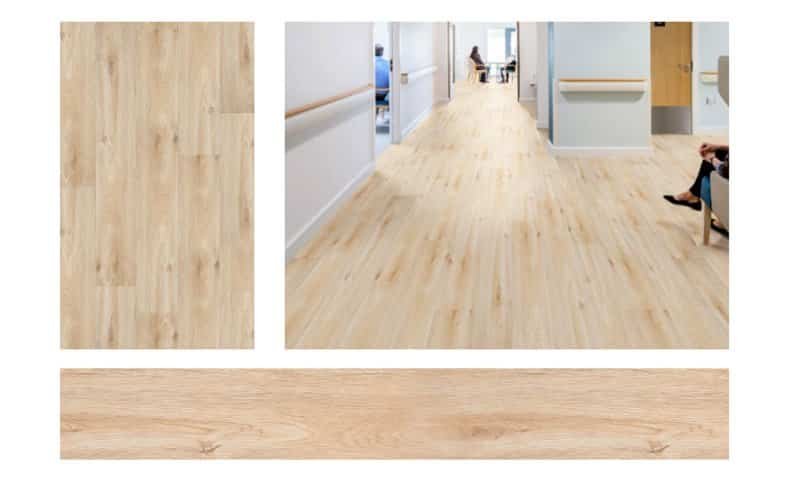
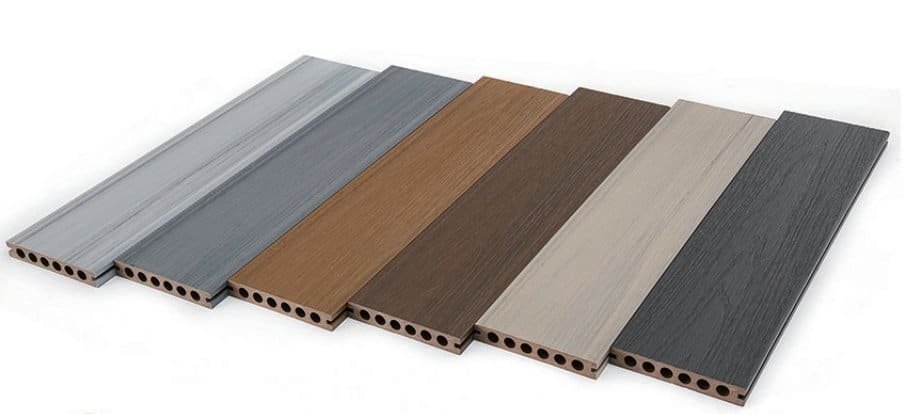
Both WPC and SPC flooring offer a wide variety of styles, colors, and textures that mimic the appearance of natural wood and stone. Advanced printing technologies allow manufacturers to create realistic-looking finishes that add elegance and style to any space.
- WPC Flooring: WPC often provides a more luxurious feel due to its thicker structure, making it a popular choice for residential spaces.
- SPC Flooring: SPC also offers a variety of beautiful designs but is more frequently chosen for commercial spaces due to its superior durability and resistance to wear.
Dongweiyuanyu Building Materials Trading Company: Your Flooring Solution
Dongweiyuanyu Building Materials Trading Company offers a comprehensive range of both WPC and SPC flooring options. Whether you need the cushioned comfort of WPC flooring for a residential project or the strength and durability of SPC for a high-traffic commercial space, Dongweiyuanyu provides high-quality products to suit any requirement. Their flooring products combine aesthetics with performance, ensuring that customers receive stylish and long-lasting solutions.
Conclusion
In conclusion, both WPC and SPC flooring offer unique benefits that make them popular choices in modern construction and interior design. WPC provides comfort and insulation, making it ideal for residential spaces, while SPC offers unmatched durability and water resistance, perfect for high-traffic or moisture-prone areas. Dongweiyuanyu Building Materials Trading Company supplies both types of flooring, ensuring that customers can choose the best option based on their specific needs. Whether you prioritize comfort or durability, WPC and SPC both offer exceptional value and performance for any project.
Reference:FLOOR