




Definition and Purpose
Cable fire – resistant coating is a specialized type of coating designed to protect electrical and communication cables from the spread of fire. In facilities where numerous cables are concentrated, such as power plants, substations, and cable tunnels, a single cable ignition could potentially lead to a large – scale fire, disrupting power supply and communication systems. The primary purpose of this coating is to prevent or slow down the spread of flames along the cable, safeguarding the integrity of the cable system and ensuring the continued operation of critical infrastructure during a fire.
Working Mechanism
- Intumescent Action: Many cable fire – resistant coatings are intumescent. When exposed to heat or fire, the coating undergoes a chemical reaction and rapidly expands. This expansion creates a thick, porous, and insulating carbonaceous char layer. For example, in the initial stage of a fire, as the temperature rises, the intumescent components in the coating start to decompose and release gases. These gases cause the coating to foam and expand, forming a layer that can be several times thicker than the original coating. This char layer acts as a thermal barrier, reducing the heat transfer to the underlying cable, thus preventing the cable from reaching its ignition temperature and delaying the spread of fire.
- Flame Retardancy: The coating contains flame – retardant additives. These substances work by interfering with the combustion process. Some flame – retardants release non – combustible gases when heated, which dilute the concentration of oxygen around the cable, making it difficult for the fire to sustain. Others may act on the surface of the cable to inhibit the formation of flammable decomposition products, effectively suppressing the spread of the fire.
Application Scenarios
- Power Generation Plants: In power plants, a vast network of cables is used to transmit electricity and control various systems. Cable fire – resistant coating is applied to these cables to prevent the spread of fire, which could lead to power outages and significant damage to expensive equipment.
- Substations: Substations are crucial for power distribution. The numerous high – voltage cables in substations need to be protected. A fire in a substation can cause widespread power disruptions. Applying cable fire – resistant coating helps safeguard the substation’s cable systems, ensuring the stable operation of the power grid.
- Cable Tunnels and Cable Trays: These are common locations where large numbers of cables are grouped together. In case of a fire, the close proximity of cables can cause the fire to spread rapidly. Coating the cables in tunnels and on trays with fire – resistant coating is an effective way to prevent the fire from escalating and causing extensive damage.
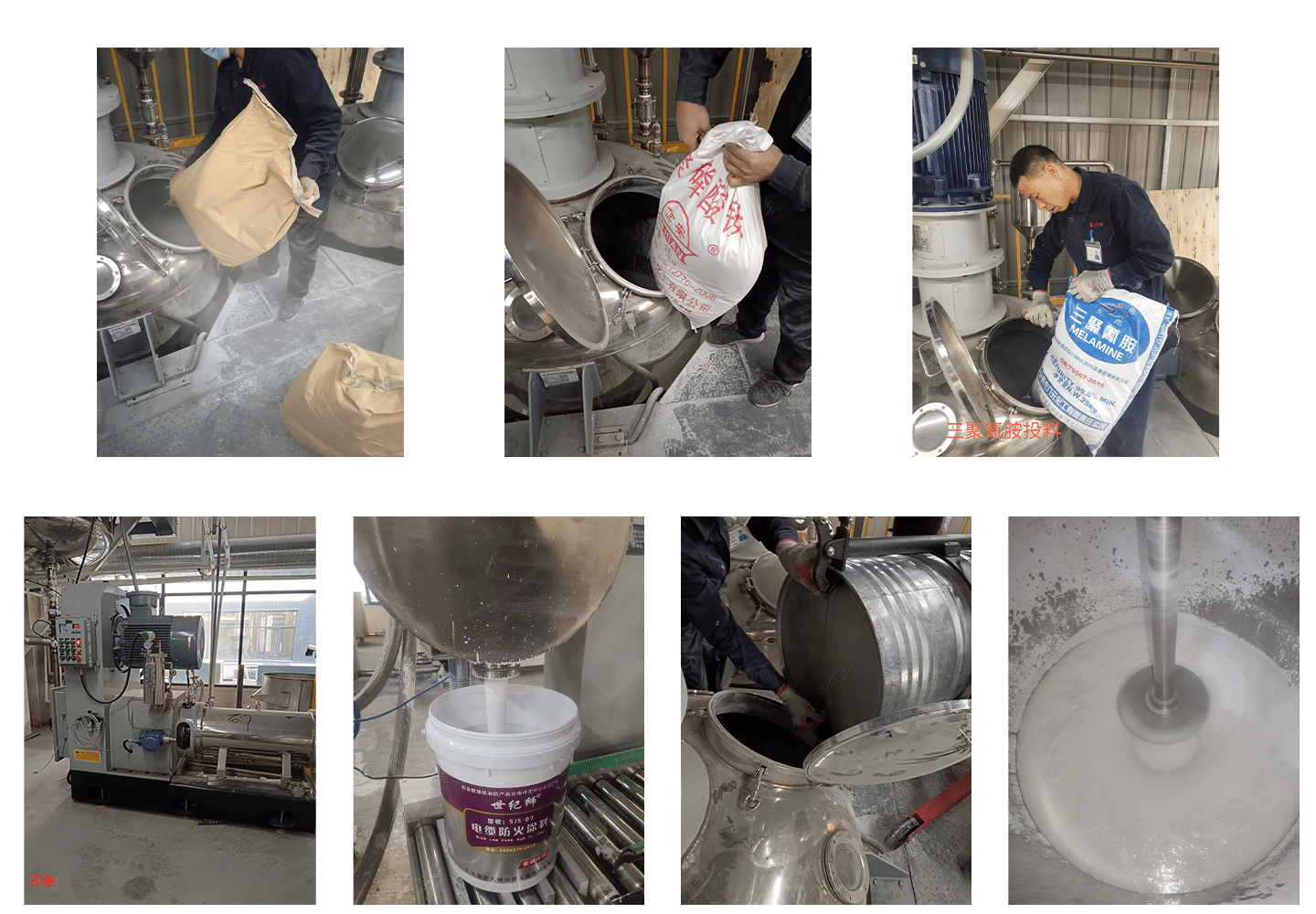
Production process: