



Product Description
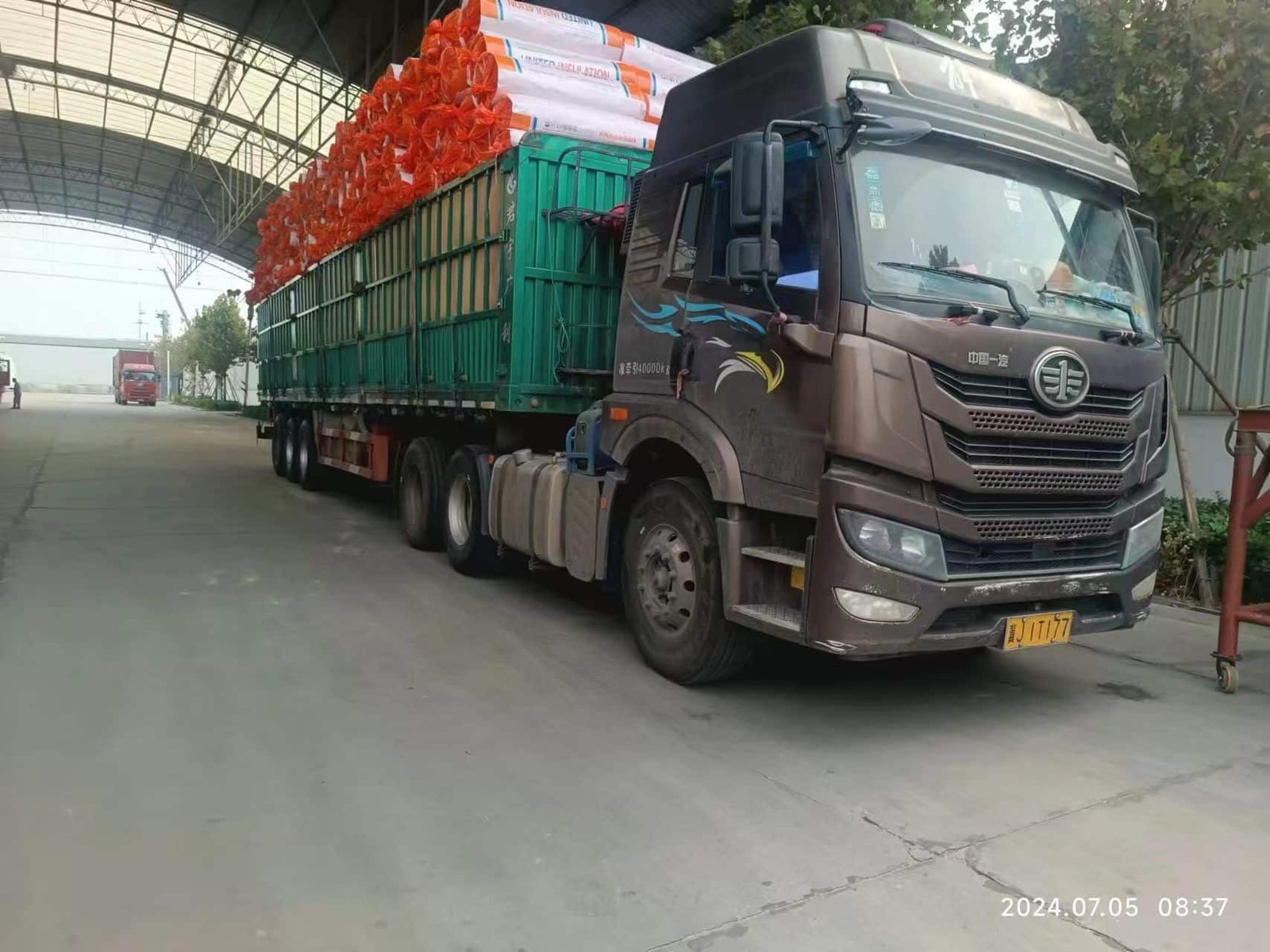
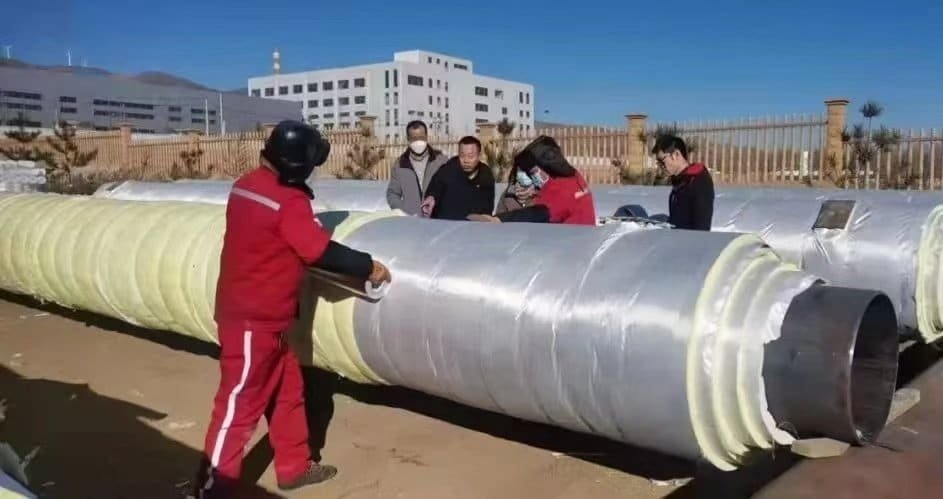
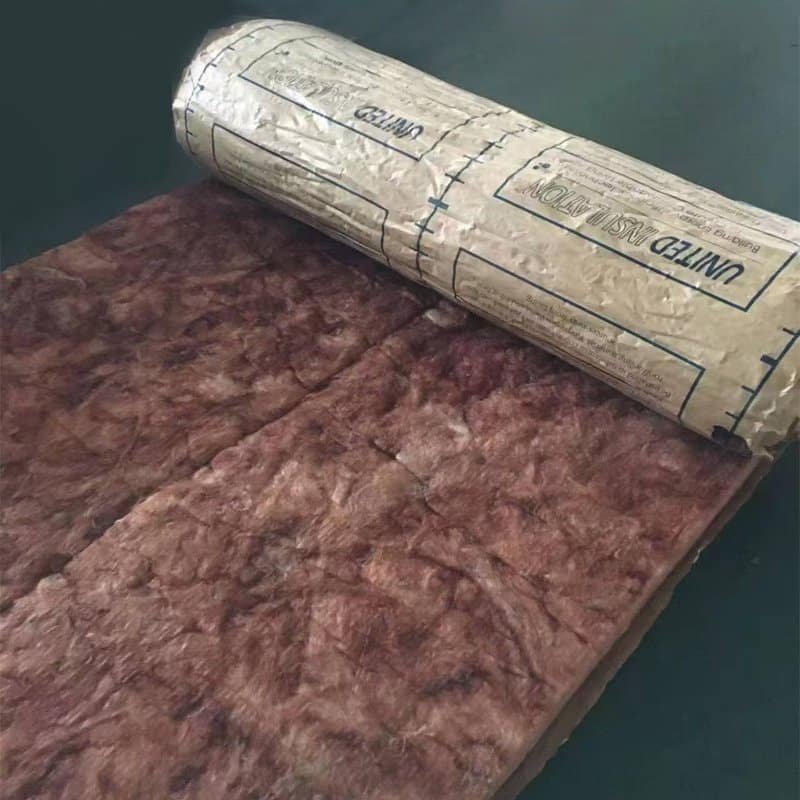
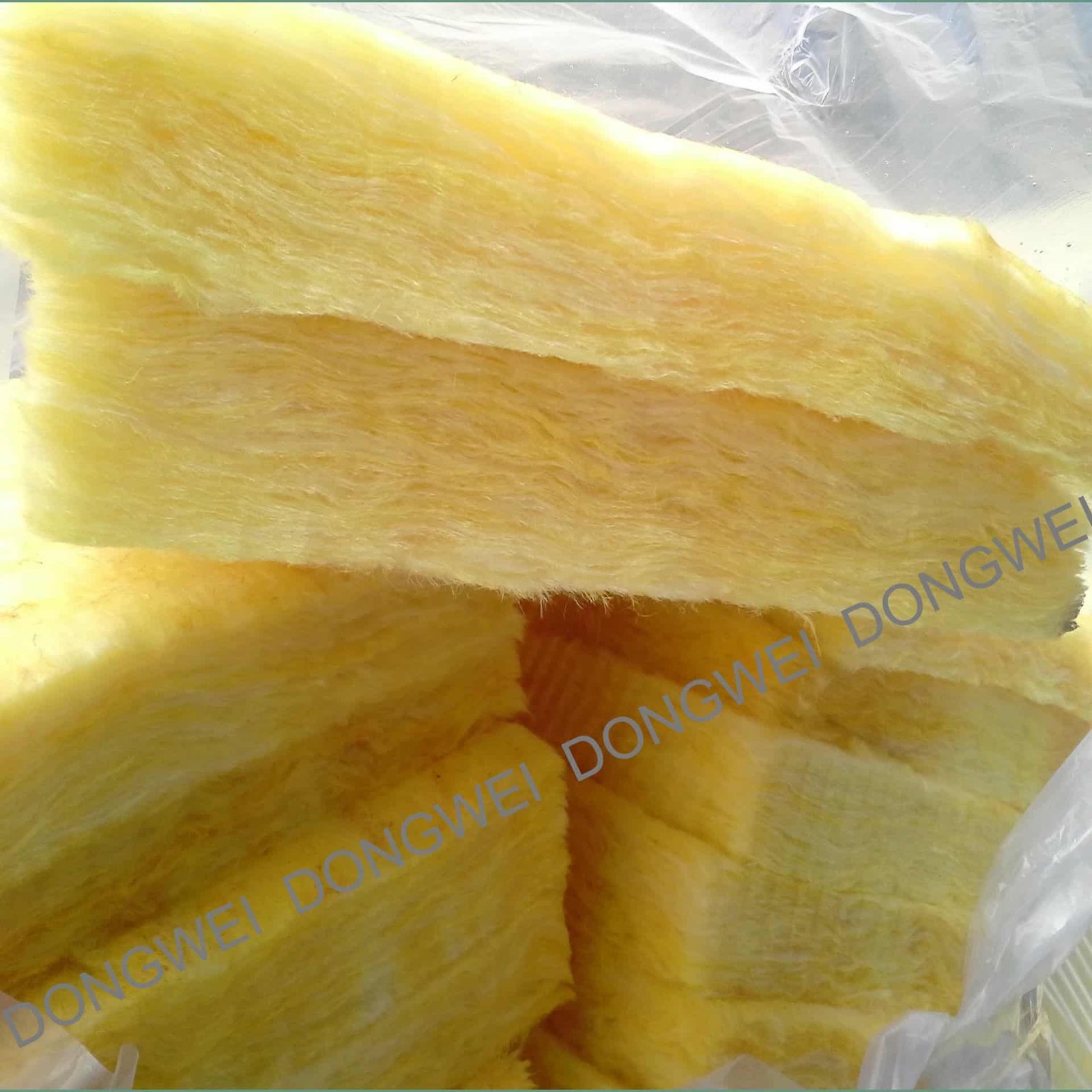
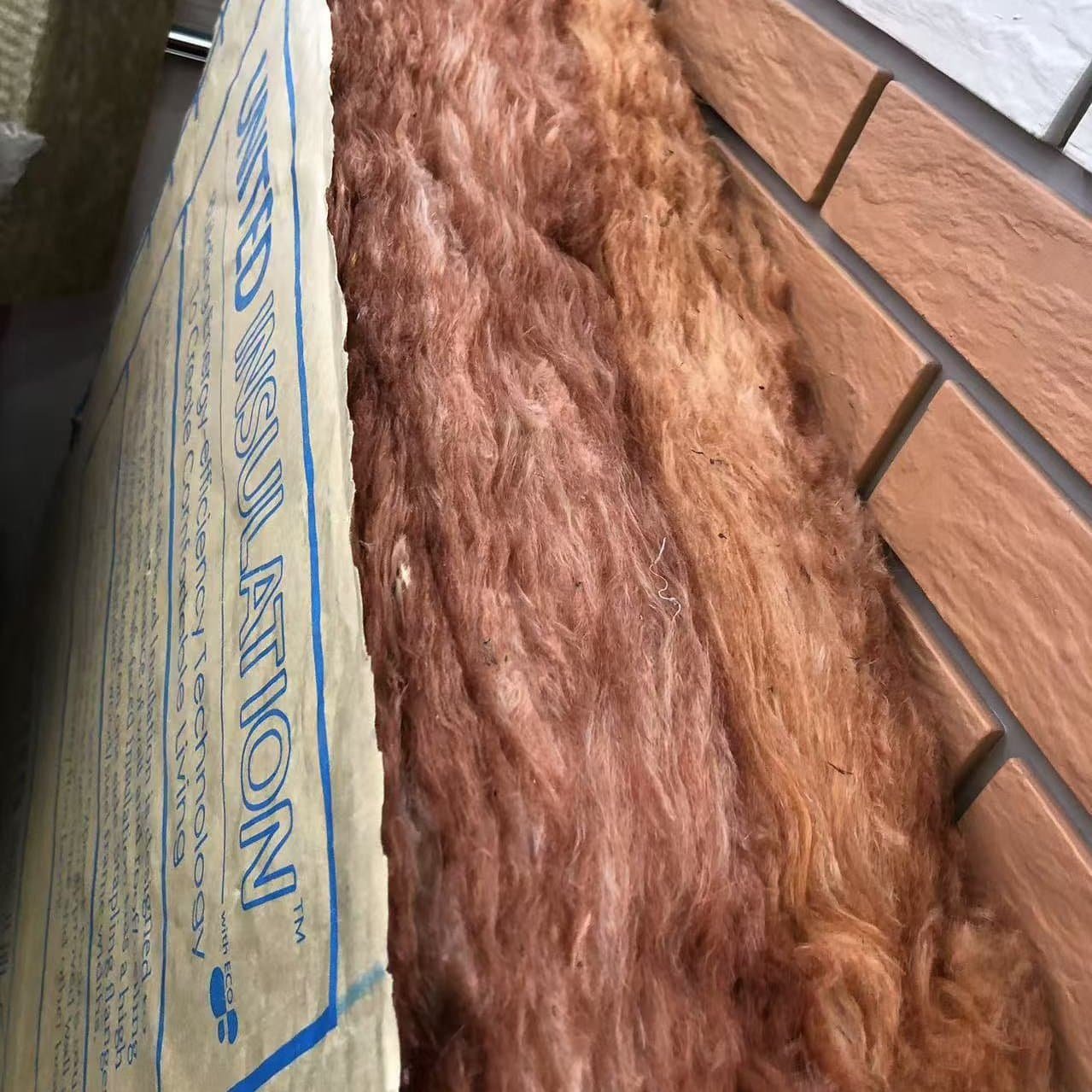
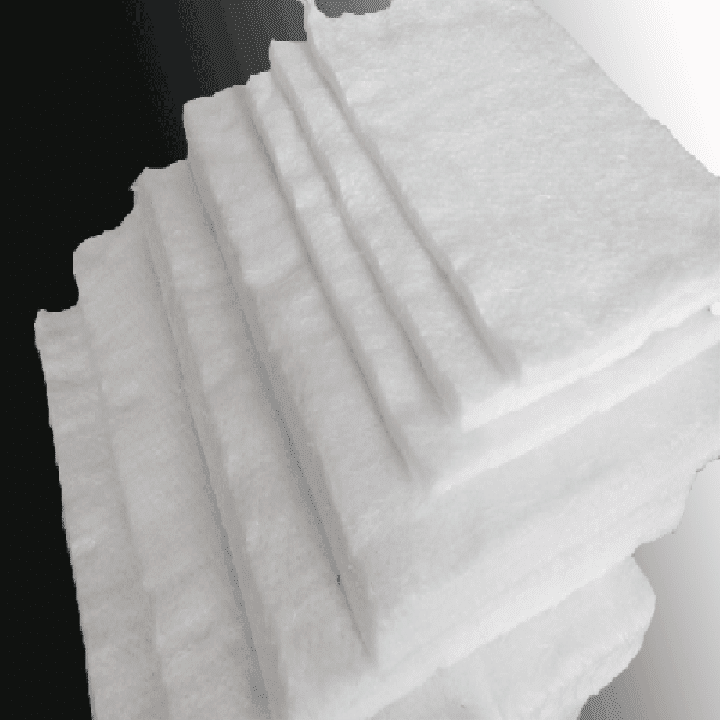
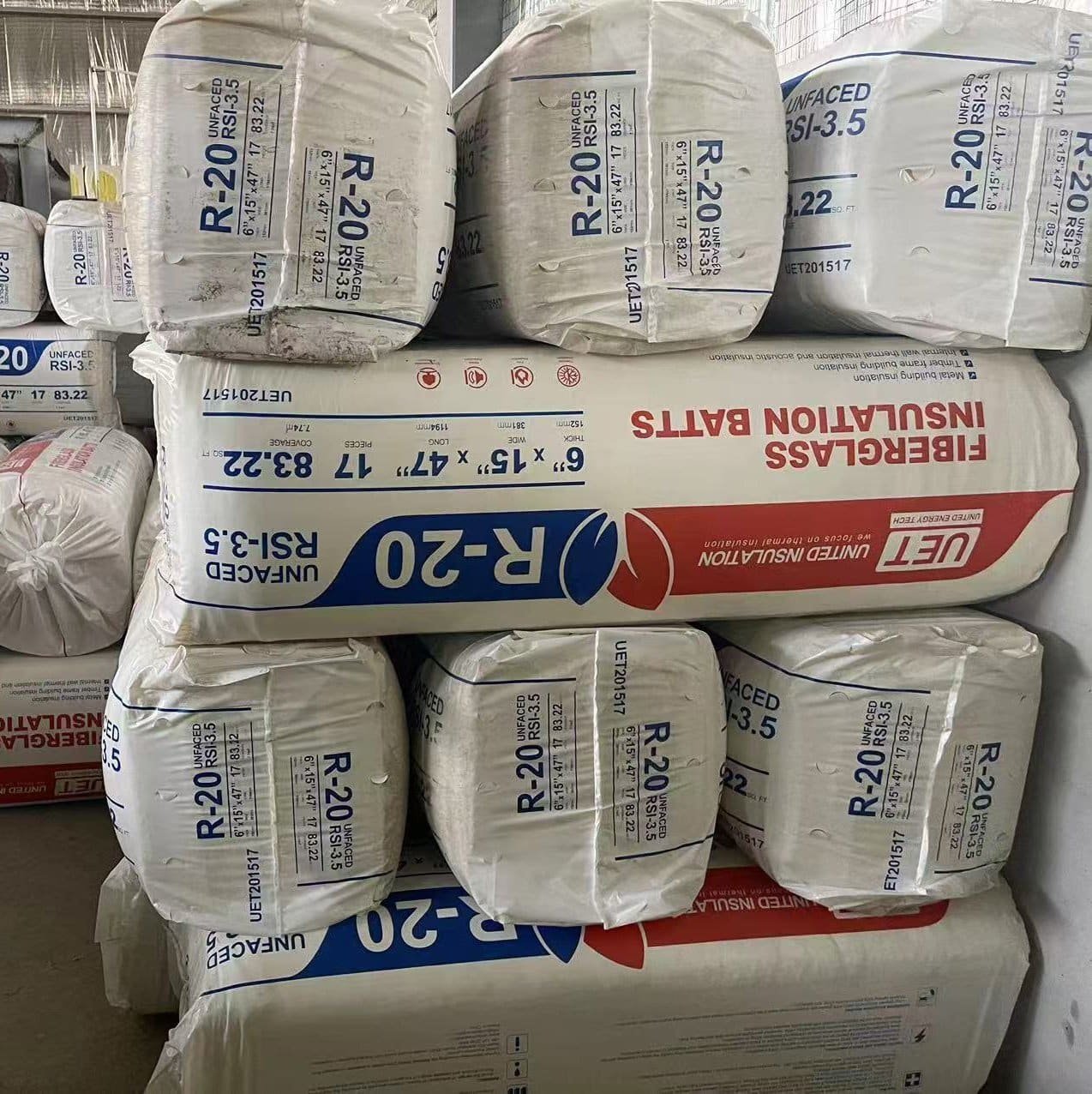
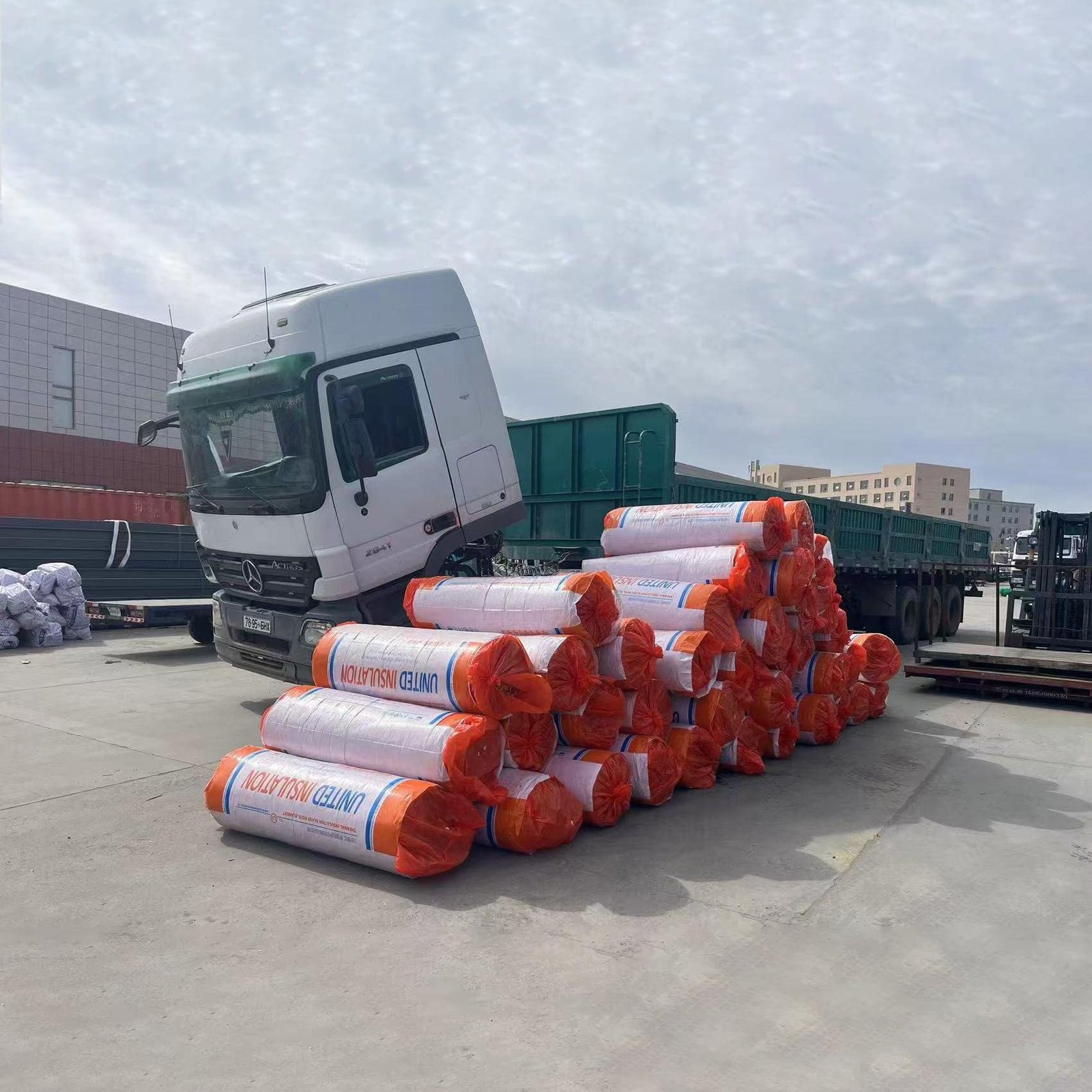
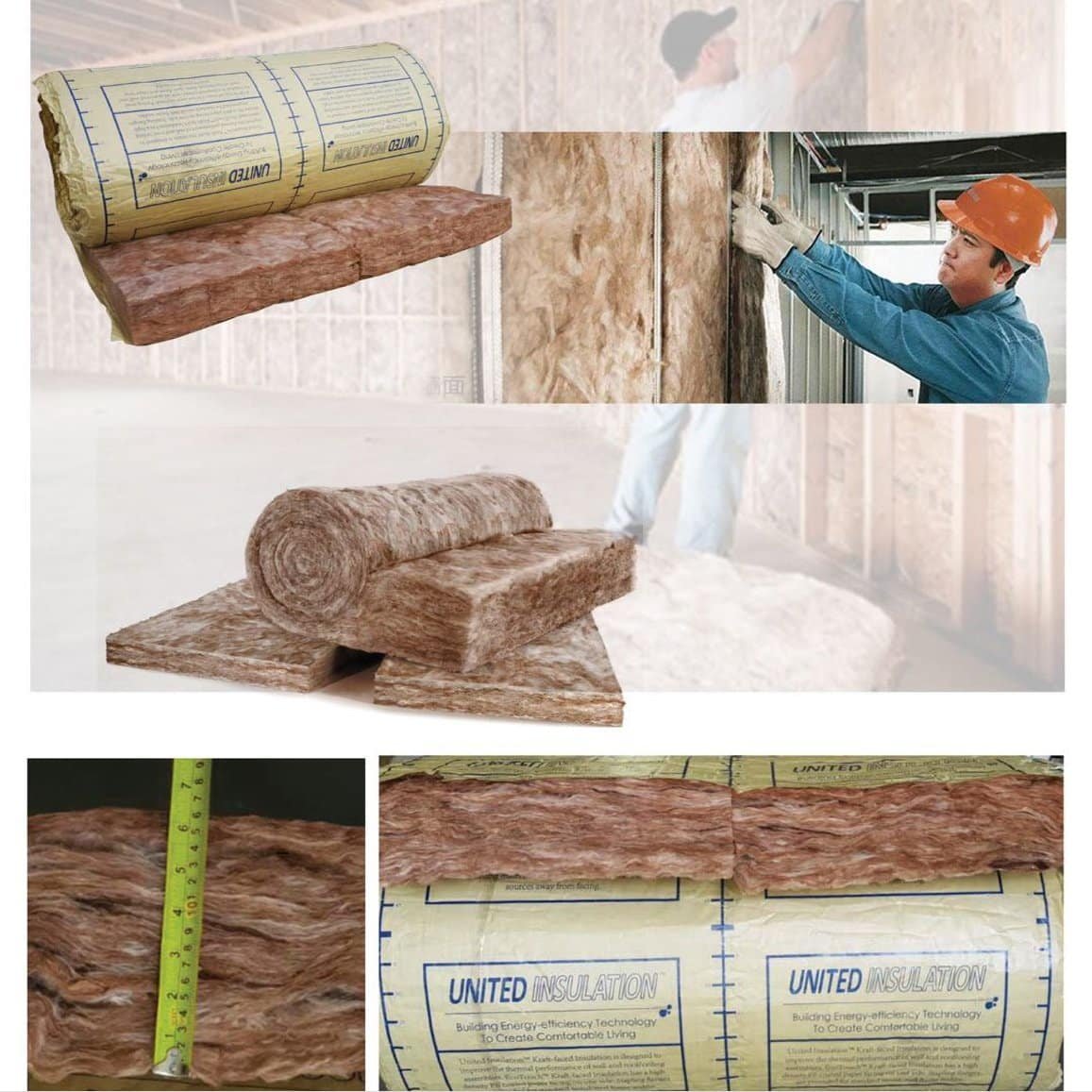
Glass wool is an insulating material commonly used for thermal insulation, soundproofing, and absorption in building applications. In villa construction, glass wool can serve as an insulation material to maintain indoor temperature, enhance energy efficiency, and provide some degree of soundproofing.
 Characteristics of Glass Wool
 Characteristics of Glass Wool
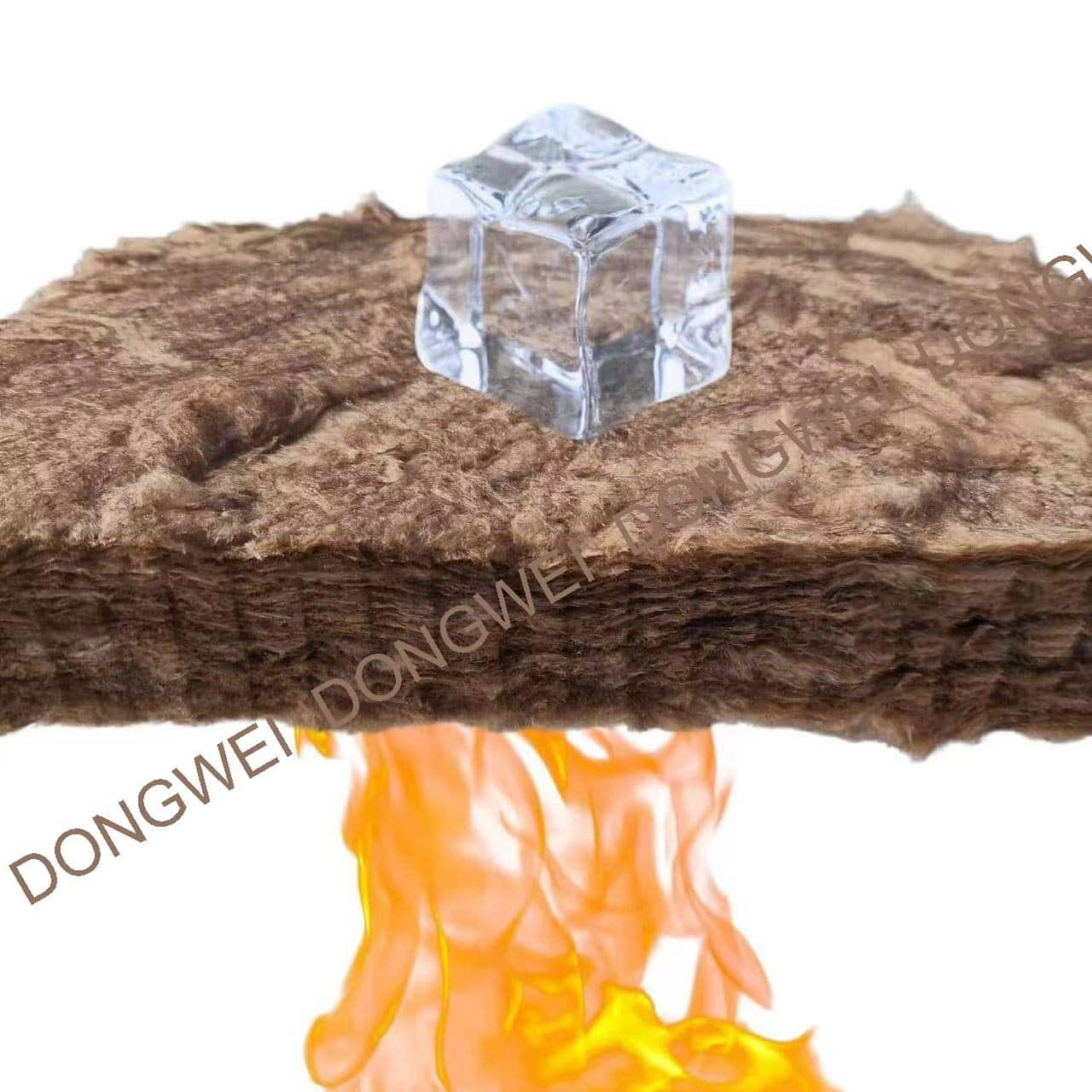
Insulation Performance: Glass wool exhibits excellent insulation properties, effectively reducing heat conduction and acting as thermal insulation.
Sound Absorption: Glass wool has good sound absorption capabilities, helping to reduce interior noise and create a quieter living environment.
Lightweight Material: Glass wool is a lightweight insulation material, making it easy to handle and install without imposing excessive weight on the building structure.
Non-Combustible: As an inorganic fiber, glass wool is non-combustible, contributing to its excellent fire resistance.
Corrosion Resistance: Glass wool shows good resistance to most chemicals, resulting in a longer service life.

The application of glass wool in filling walls, roofs, and floors
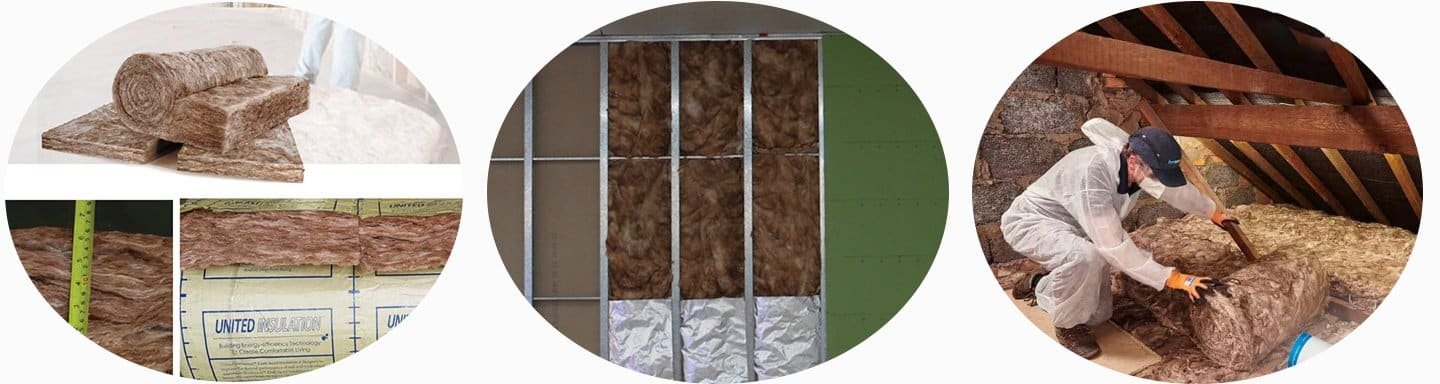
Wall Insulation: Glass wool is commonly used to fill walls, creating a thermal insulation layer. Filling the interior of exterior walls with glass wool effectively slows down the transfer of heat between indoor and outdoor environments, improving the wall’s thermal insulation. This helps maintain stable indoor temperatures, reducing dependence on air conditioning and heating systems and lowering energy consumption.
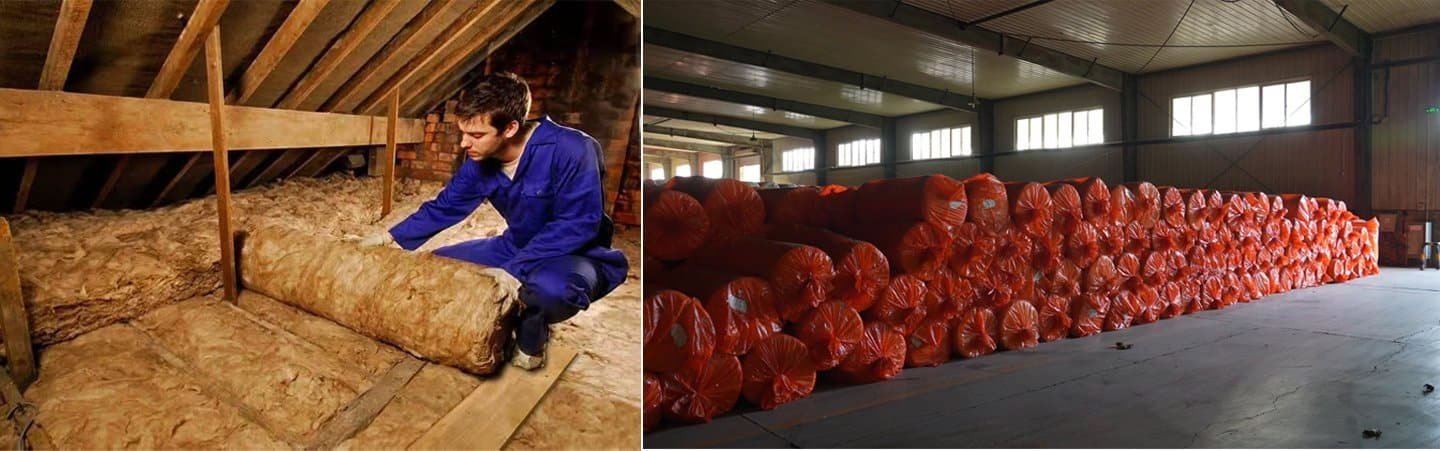
Roof Insulation: Using glass wool in the structure of the roof helps form a thermal insulation layer, slowing down the impact of outdoor temperatures on the indoor environment. Glass wool can be placed between roof layers to prevent heat loss upwards, enhancing the roof’s insulation performance. This is effective in maintaining a comfortable indoor temperature and reducing energy consumption.
Floor Insulation: Integrating glass wool into the floor structure helps prevent cold air from entering the indoor space, improving the floor’s insulation. This is particularly important for the insulation of ground-level rooms, effectively reducing floor temperatures and enhancing the overall warmth of the indoor environment.
Soundproofing Effect: In addition to its thermal insulation and insulation functions, glass wool also possesses excellent soundproofing properties. When used to fill walls, roofs, or floors, it can effectively reduce the transmission of external noise, providing a quieter indoor environment.
Moisture and Mold Resistance: The fibrous structure of glass wool aids in moisture absorption and dissipation, preventing moisture from lingering in the building structure. This helps reduce the growth of mold, improving indoor air quality.