



PVC Flooring vs Rubber Flooring: Key Differences

When it comes to choosing flooring for commercial spaces, businesses often face the decision of whether to install PVC (Polyvinyl Chloride) flooring or rubber flooring. The comparison of PVC flooring vs rubber flooring reveals distinct benefits for each material, and both are widely used in different industries. Dongweiyuanyu Building Materials Trading Company, a prominent supplier specializing in wholesale building materials with a strong focus on Mongolia, offers both PVC and rubber flooring options. This article will explore the differences between these two types of flooring, helping you make an informed decision based on your specific needs.
1. Material Composition and Manufacturing Process
PVC flooring is made from a synthetic plastic polymer. The manufacturing process involves combining vinyl resins with additives to create a flexible, durable material. PVC flooring comes in sheets, tiles, or planks and is designed for easy installation, often featuring a peel-and-stick or click-lock system. On the other hand, rubber flooring is made from natural or synthetic rubber compounds. It is commonly manufactured in large rolls, tiles, or mats. The rubber can be recycled and is often produced with a focus on sustainability, which makes it an eco-friendly option for commercial applications.
2. Durability and Performance
One of the most notable differences between PVC and rubber flooring is their durability. PVC flooring is highly resistant to wear and tear, making it a great option for areas with heavy foot traffic. It is particularly effective in environments where water resistance is a priority, such as kitchens, bathrooms, and hospitals. However, PVC can suffer from dents or damage from sharp objects or heavy equipment.
Rubber flooring, by contrast, is known for its superior shock absorption properties. This makes it an excellent choice for gyms, playgrounds, and other spaces where safety and comfort are a priority. Rubber flooring can withstand high-impact forces, making it ideal for heavy machinery and high-foot traffic areas. It also resists fading, cracking, and curling better than PVC, especially when exposed to sunlight. Thus, while PVC is durable in its own right, rubber flooring tends to outperform in environments that require extra resilience.
3. Comfort and Safety
Comfort is a crucial consideration when selecting flooring for environments such as fitness centers, healthcare facilities, and educational institutions. Rubber flooring offers excellent cushioning, which helps reduce fatigue and provides a more comfortable walking surface. It is also slip-resistant, even in wet conditions, which enhances safety in places like swimming pools or hospital corridors.
PVC flooring, while it can provide a smooth and comfortable surface, typically lacks the level of shock absorption that rubber flooring offers. However, modern PVC products often come with added cushioning layers, making them more comfortable underfoot than traditional PVC floors.
4. Maintenance and Cleaning
Both PVC and rubber flooring require minimal maintenance. However, the cleaning process for each can vary slightly. PVC floors are relatively easy to clean with a damp mop or vacuum, and they generally don’t retain stains or dirt. The surface of PVC is non-porous, which helps prevent the growth of bacteria and mold.
Rubber floors, though also easy to clean, may require more frequent maintenance due to their porous nature. In high-traffic areas, rubber can accumulate dirt or debris more easily, and regular cleaning with a rubber-safe cleaner can help maintain its appearance. While rubber flooring resists mold and mildew, it can be prone to scuff marks and may require special cleaning agents to restore its shine.
5. Cost Considerations
When comparing costs, PVC flooring is often more budget-friendly than rubber flooring. PVC tiles or sheets are typically less expensive, which makes them an attractive option for large-scale commercial installations or when working with tight budgets. Rubber flooring, although more expensive, provides added value due to its durability and long-lasting performance in demanding environments.
Dongweiyuanyu Building Materials Trading Company offers competitive pricing on both PVC and rubber flooring, ensuring that businesses in Mongolia can access quality products at cost-effective prices. The company’s focus on wholesale building materials allows clients to benefit from bulk purchasing discounts, making it an excellent choice for commercial projects.
6. Environmental Impact
In recent years, sustainability has become a key consideration in building material choices. PVC flooring, while durable and cost-effective, is made from plastic, which has environmental concerns related to production and disposal. Some PVC flooring options may also contain harmful chemicals, such as phthalates, which have raised health concerns. However, there are eco-friendly PVC products available that meet stricter environmental standards.
Rubber flooring, especially when made from recycled rubber, is often considered a more sustainable option. It reduces waste by repurposing old tires and other rubber materials. Additionally, rubber flooring is biodegradable, making it a more environmentally friendly choice in the long run. For companies seeking eco-conscious solutions, rubber flooring may be a better option.
7. Aesthetic Variety
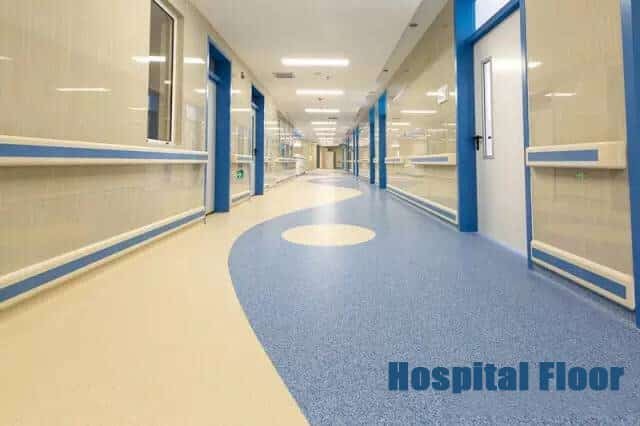
Both PVC and rubber flooring come in a variety of designs, but PVC flooring typically offers a wider range of colors, patterns, and textures. It can mimic the look of other materials, such as wood or stone, without the associated cost and maintenance requirements. This makes PVC a versatile option for offices, retail spaces, and residential areas.
Rubber flooring, while available in various colors and styles, tends to have a more uniform look. It is often used in industrial, institutional, or commercial settings where functionality and durability take precedence over aesthetic considerations.
Conclusion
In conclusion, both PVC and rubber flooring have their strengths and are suited to different applications. When comparing PVC flooring vs rubber flooring, it’s clear that each material offers distinct advantages. PVC flooring is an excellent choice for businesses looking for affordable, durable, and water-resistant flooring. It is easy to maintain and offers a wide range of design options. Rubber flooring, while more expensive, provides superior comfort, safety, and durability, particularly in high-traffic and high-impact environments.
Dongweiyuanyu Building Materials Trading Company offers both types of flooring, catering to the unique needs of businesses in Mongolia. Whether you are looking for cost-effective PVC flooring or durable rubber flooring, the company provides high-quality products with fast delivery, ensuring that you can meet your project deadlines without compromising on performance. By choosing Dongweiyuanyu as your supplier, you are assured of access to top-tier flooring solutions that can stand up to the demands of any commercial environment.
If you need flooring for any of the above or other applications, click here and contact the company.