



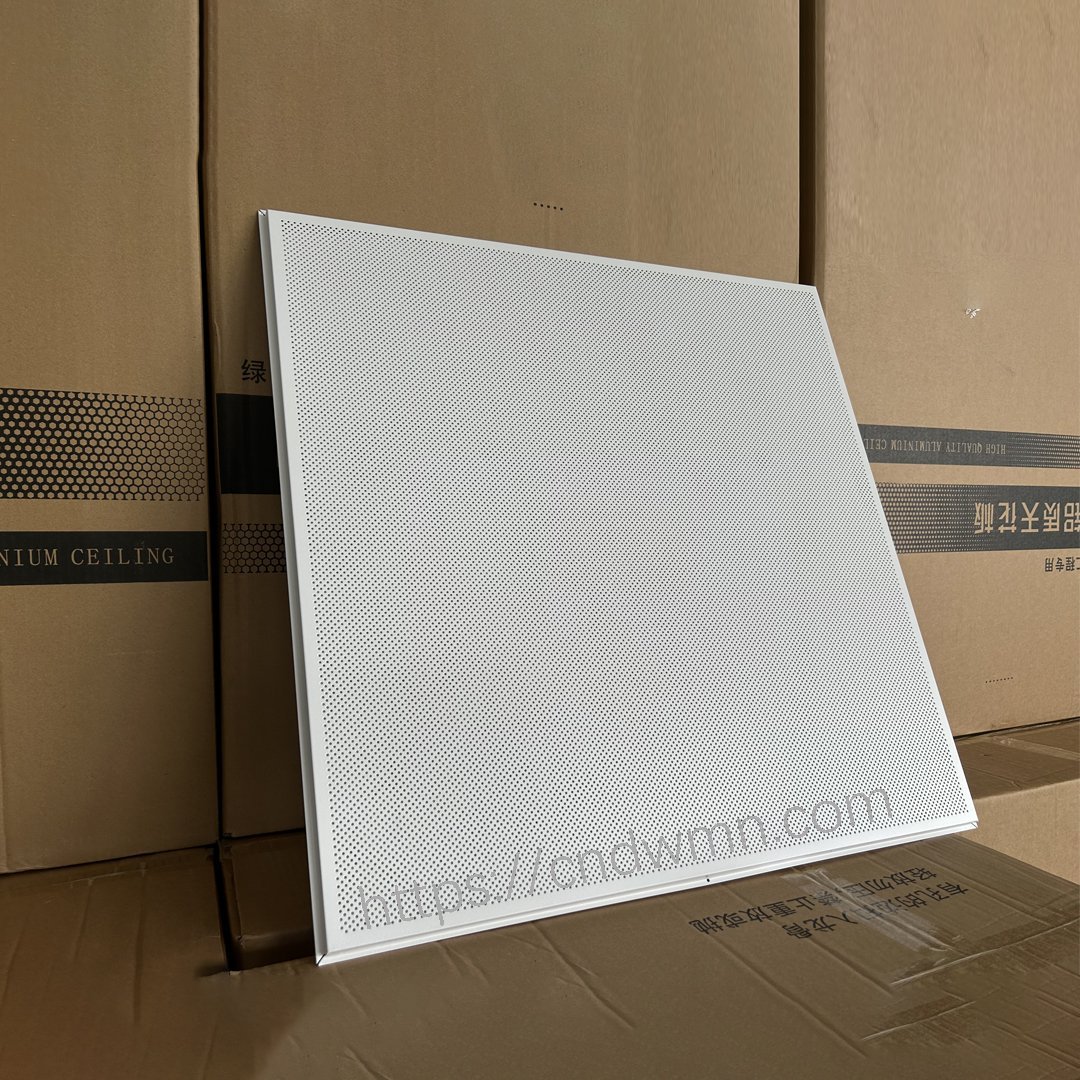

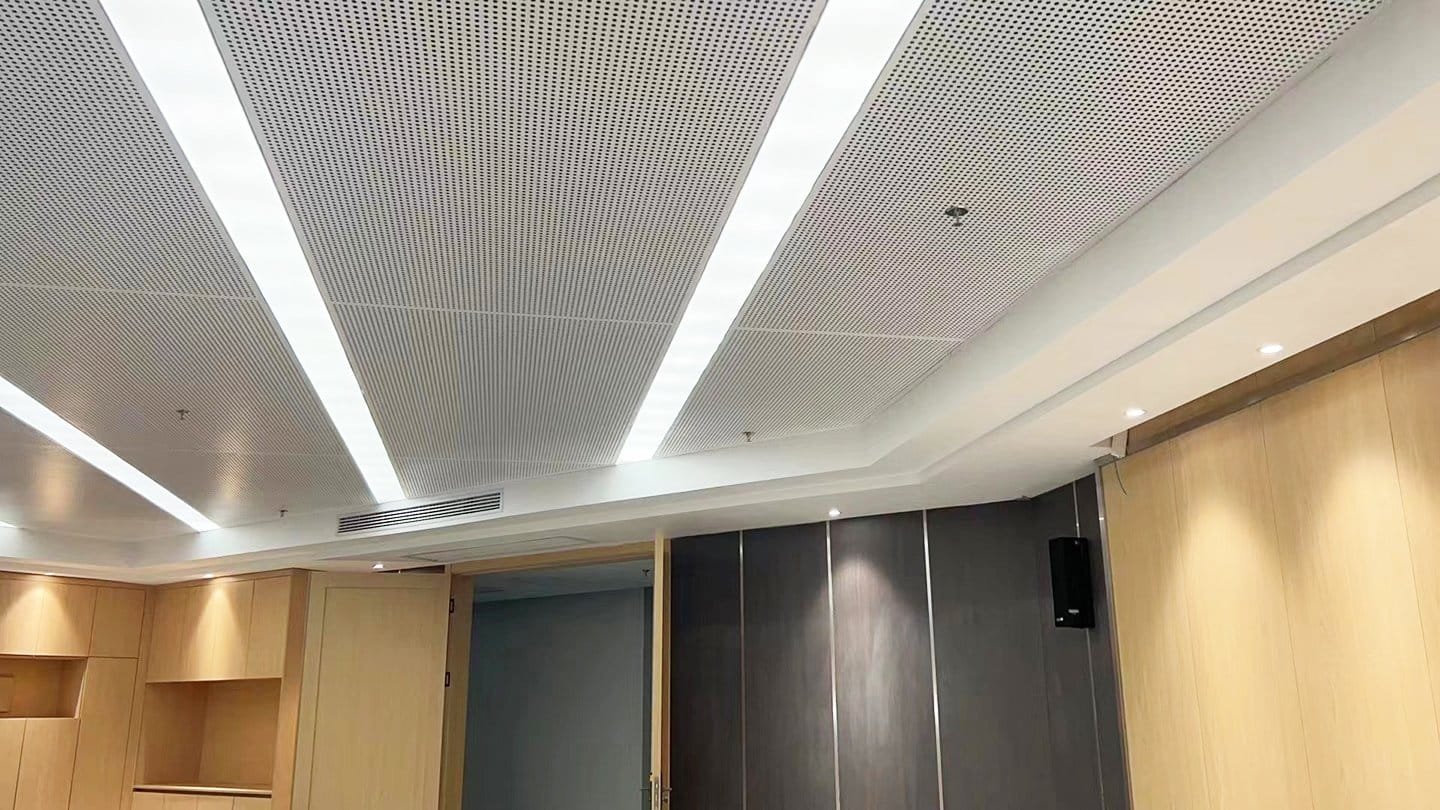
Product Description
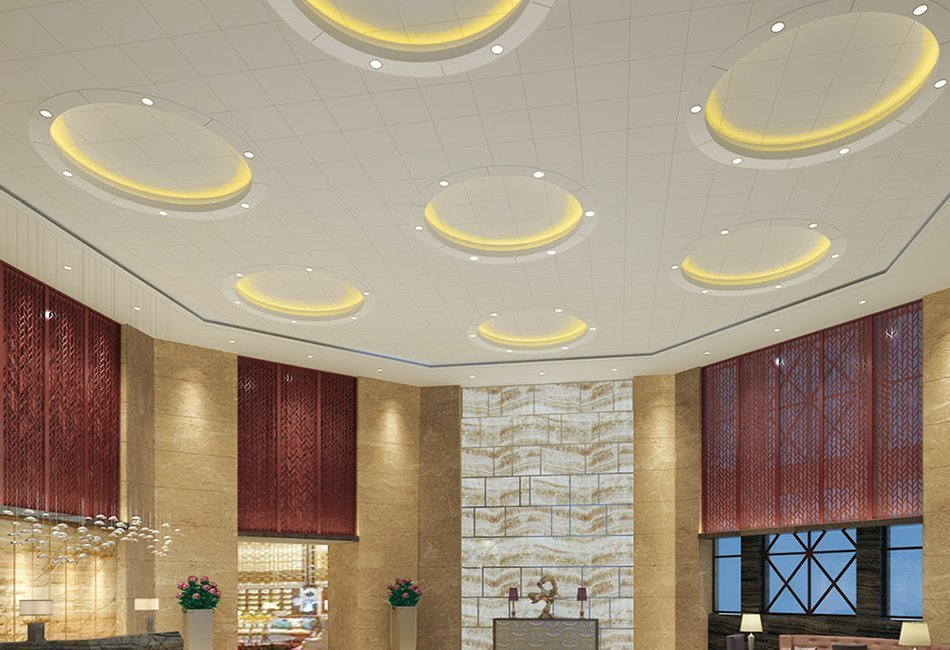
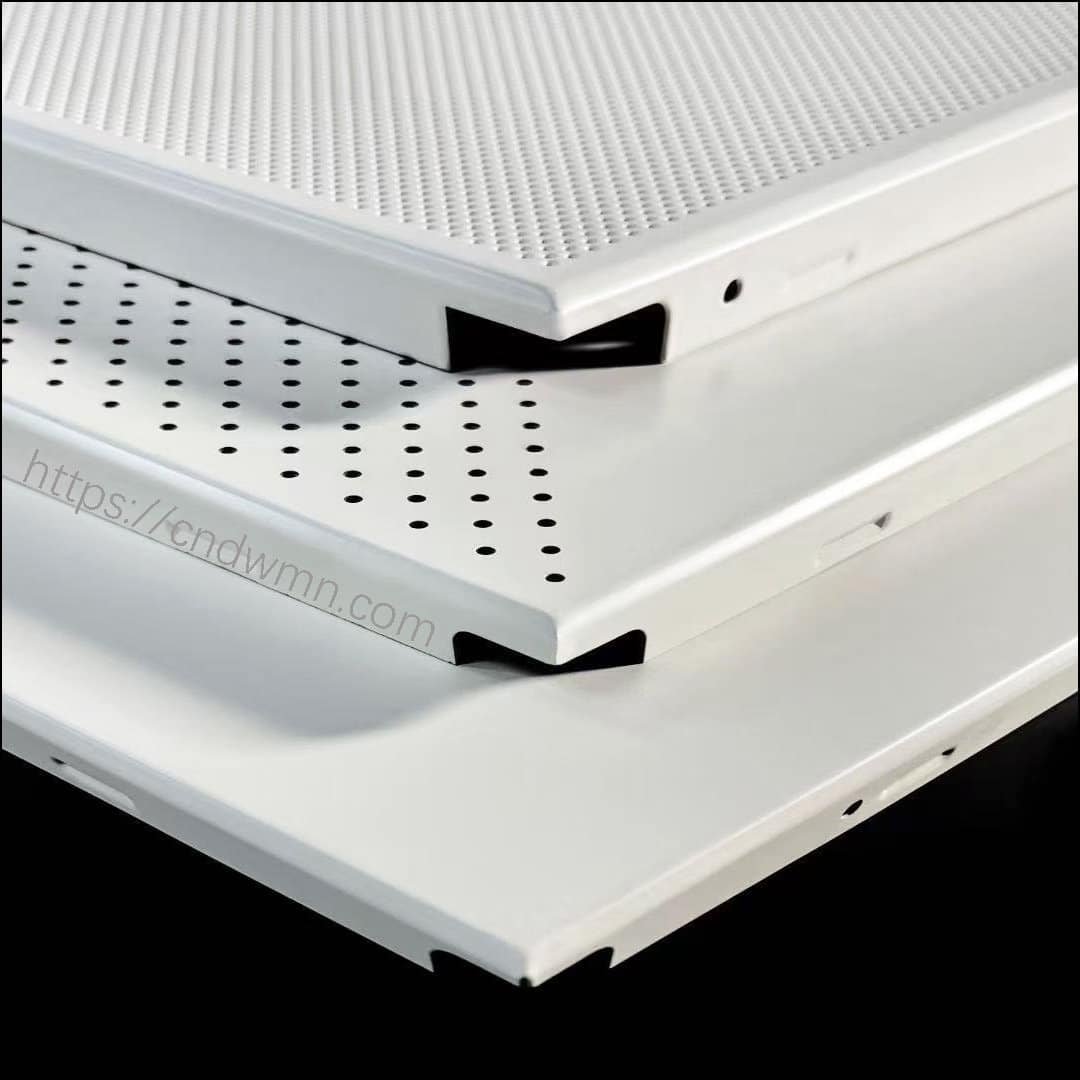
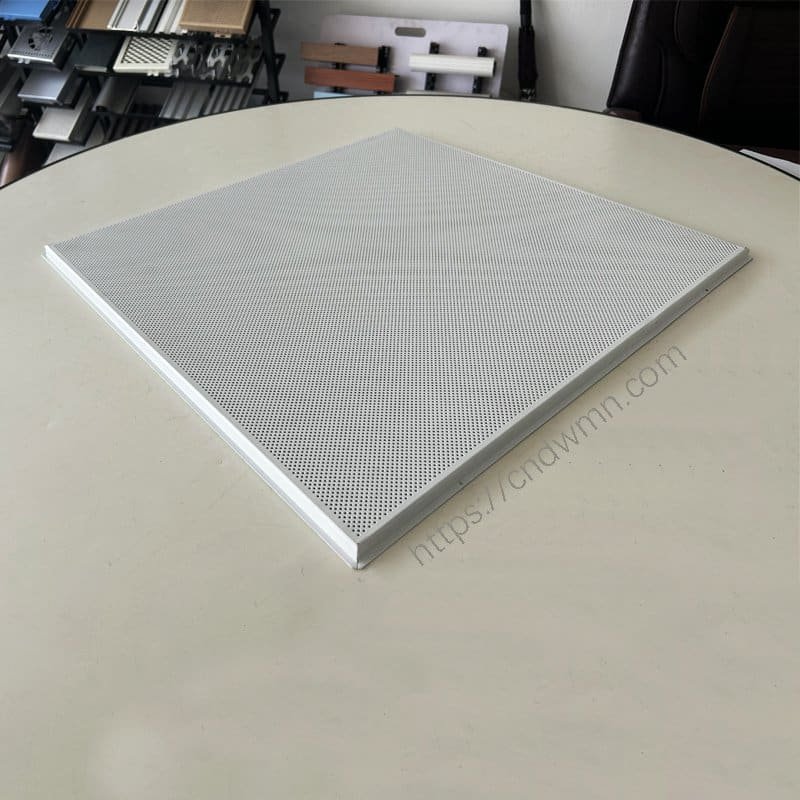
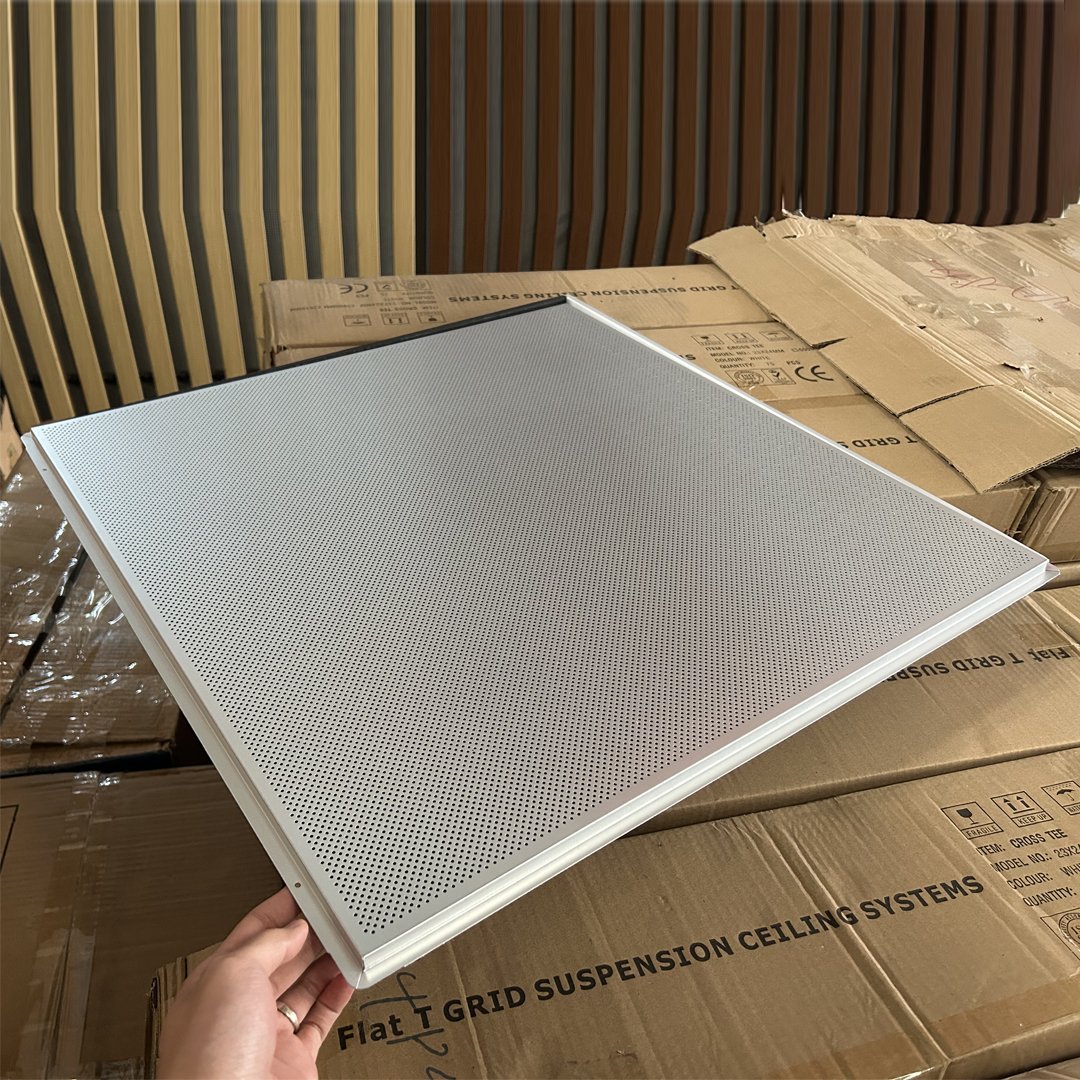
Ceiling refers to the decorative surface or internal structure at the top of a room. It is typically located at the uppermost part of a room, covering the roof and upper construction of the space. The ceiling plays a crucial role in the overall design and decoration of a room.

Features of Ceiling for Interior Renovation
Decorative: Ceilings serve as important decorative elements in indoor spaces, enhancing overall aesthetics through various designs, colors, and textures.
Concealing Structures: Ceilings are commonly used to conceal roof structures and pipelines, creating a neater and more aesthetically pleasing interior.
Lighting Installation: Ceilings can accommodate lighting fixtures such as chandeliers, recessed lights, etc., to provide appropriate lighting effects.
Soundproofing and Insulation: With suitable materials and design, ceilings can offer soundproofing and insulation, improving indoor comfort.
Spatial Perception: Ceiling design can influence the perception of indoor space, with considerations like height variations and color choices impacting the overall feel of the space.
Sustainability: Some modern designs prioritize sustainability, opting for eco-friendly materials and design concepts when constructing ceilings.
Maintenance and Cleaning: Ceiling design should consider ease of cleaning and maintenance to ensure a clean and hygienic indoor environment.

Applications of Ceiling
Residential: In residential buildings, ceilings are an integral part of interior spaces. Through various designs and decorations, aesthetically pleasing and comfortable living environments can be achieved.
Commercial Spaces: Ceiling designs in commercial buildings often consider brand image, spatial perception, and lighting requirements. Shopping malls, restaurants, office buildings, etc., may adopt different styles of ceiling designs.
Hotels and Resorts: Hotels and resorts typically emphasize luxury and comfort. Ceiling designs can harmonize with the overall interior style, providing guests with a pleasant stay.
Medical Institutions: In hospitals and clinics, the ceiling design must not only meet hygiene standards but also provide soft lighting to create a relaxed medical environment.
Educational Institutions: Ceiling designs in schools, universities, and other educational places need to consider the comfort and flexibility of the learning environment to adapt to different subjects and activities.
Cultural and Entertainment Venues: Theaters, concert halls, museums, and other cultural and entertainment venues have high requirements for the acoustic performance and visual effects of ceilings to ensure a good viewing and performing experience.
Industrial and Commercial Facilities: Factories, warehouses, and other industrial buildings may require specially designed ceilings to meet specific production and storage needs.