




Product Description
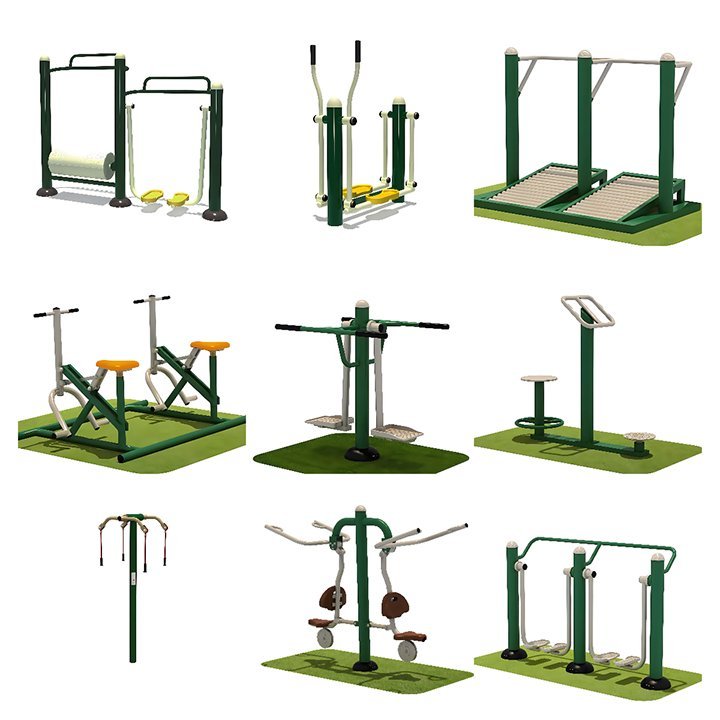
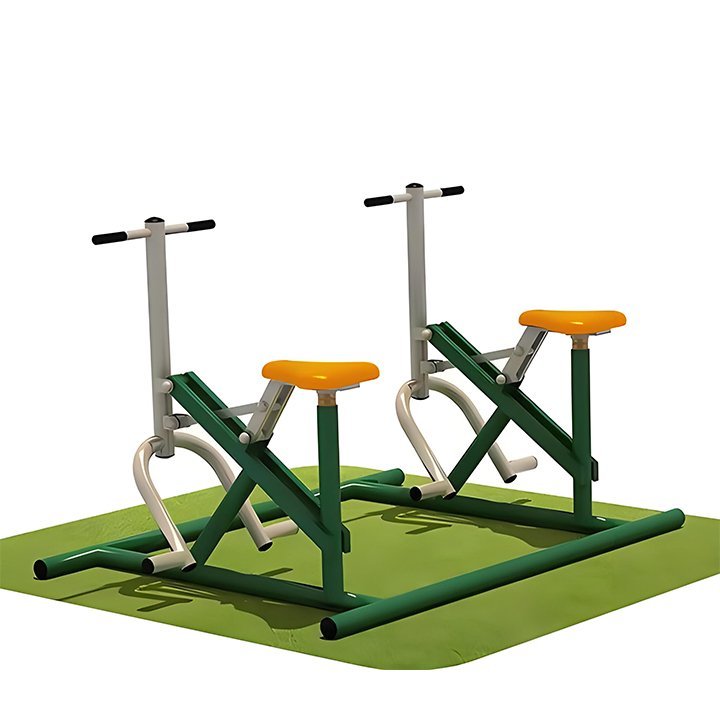
Outdoor Gym Equipments refer to equipment installed in outdoor spaces for individuals to engage in sports and physical activities. These devices are typically designed to withstand outdoor conditions, catering to the exercise needs of people in an open-air setting. There is a wide variety of outdoor fitness equipment, including those classified under recreational equipment. The purpose of these devices is to encourage physical activity and exercise in an entertaining manner.
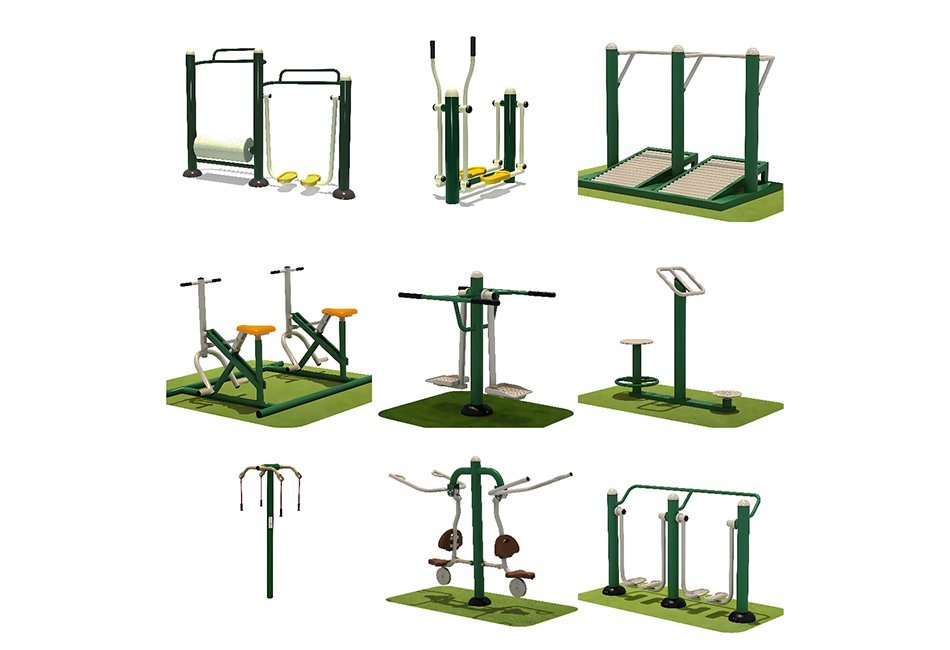
Types of Outdoor Fitness Equipment
- Parallel Bars: Commonly found in outdoor fitness areas, the design of parallel bars has evolved to be more space-efficient. The most common exercise on parallel bars is pull-ups, which effectively targets muscles in the waist, abdomen, shoulders, and arms. Regular use can improve spinal issues, making it a favored fitness equipment.
- Double Bars: More commonly installed in communities or outdoor fitness spaces due to safety and space considerations. Double bars share similar exercises with the single bar, emphasizing arm flexion and extension. Popular movements include swinging between bars, front rolls with leg splits, and parallel bar dips.
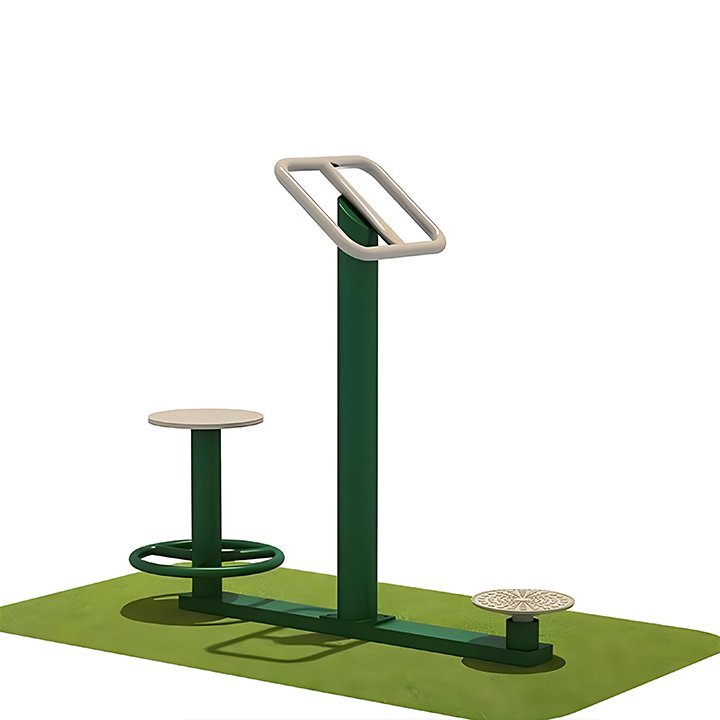
- Twist Waist Machine: Often considered standard equipment in outdoor fitness areas, typically featuring a three-ring design. Despite its appearance as a tool for the elderly, it is suitable for people of all ages. This machine primarily targets the waist and hip areas, enhancing muscle strength and flexibility. Users can simply hold the handles, place their feet on the base, and rotate their upper body left and right.
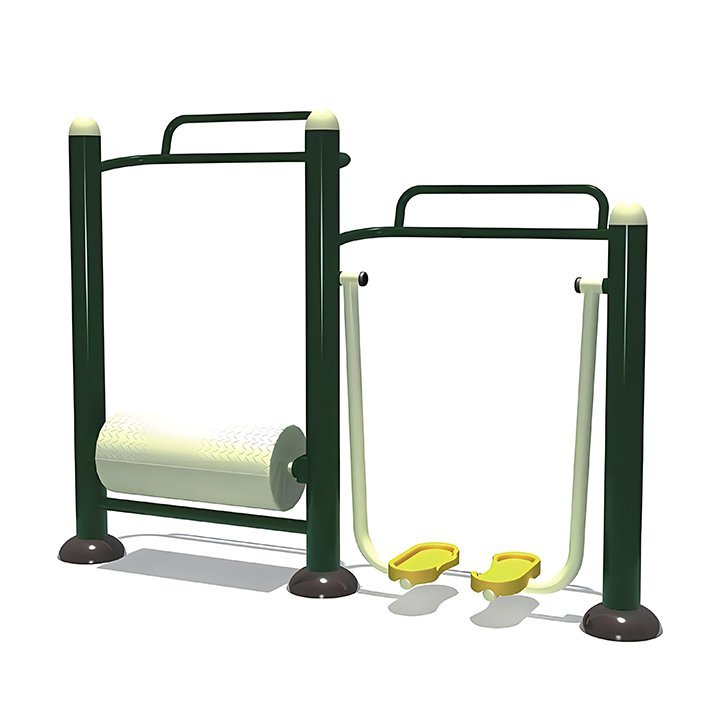
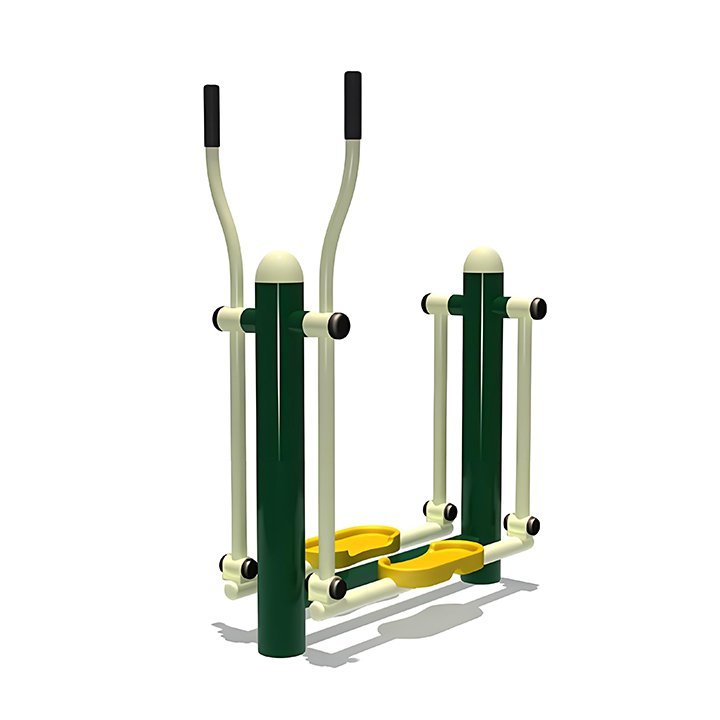
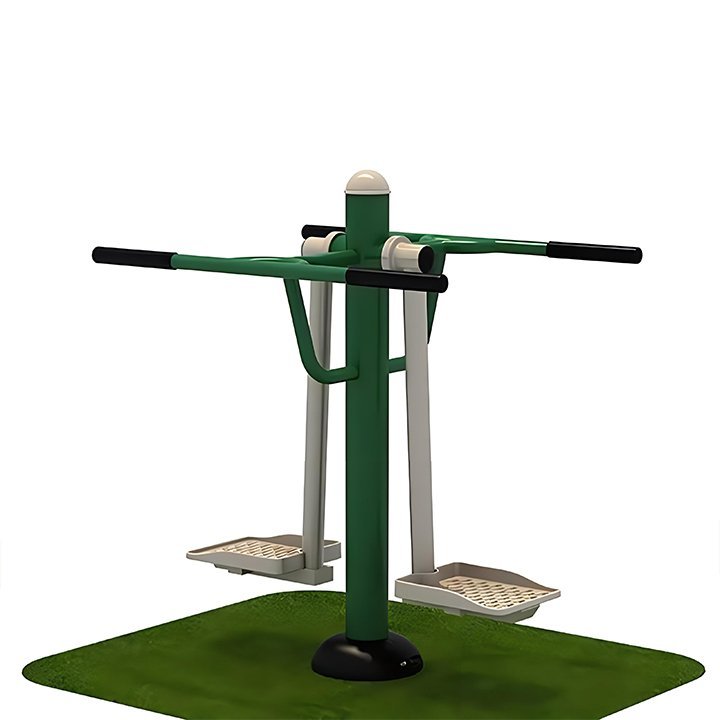
- Elliptical Trainer: Commonly seen in communities, including two-person and three-person elliptical trainers. While frequently used by seniors and children, they offer core training benefits, such as suspended planks, hip lifts, and mountain climbing. Users stand on pedals and move their feet alternately.
- Step Machine: Different from the elliptical trainer, the step machine comes with two elliptical handles, available in single and double versions. It mainly engages the lower limbs and various spinal joints, providing targeted lower body fat reduction and enhancing limb coordination. Generally preferred by the elderly.
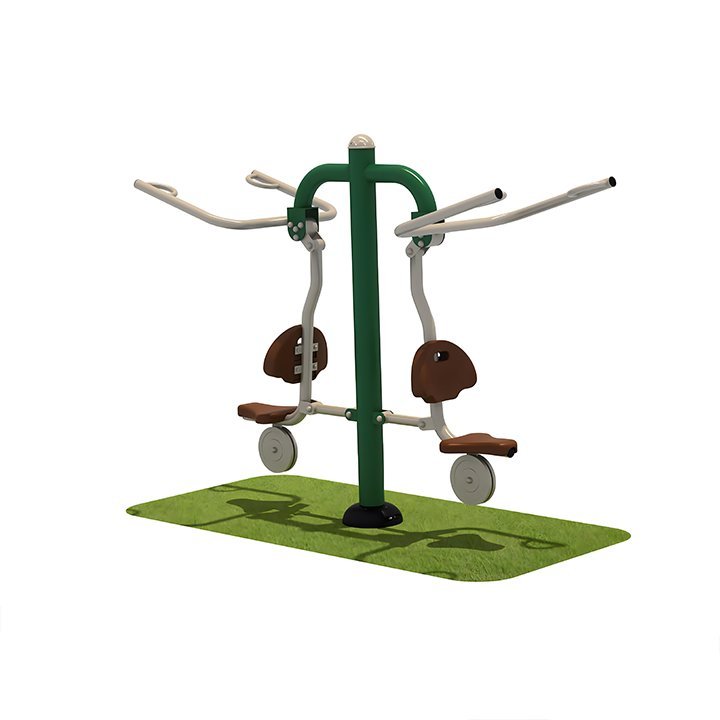
- Parallel Bars for Climbing: Available in single or double versions, it is a comprehensive fitness apparatus offering exercises like climbing with both arms, hanging leg raises, hanging leg curls, swinging running, and leg presses. Suitable for enhancing waist and abdomen strength, upper limb suspension ability, and leg strength.
- Climbing Cloud Ladder: Also known as a parallel cloud ladder, users swing and use arm strength to pass through obstacles. It is relatively low in difficulty and serves as an exercise for arm, shoulder, waist, and abdominal strength. Users hang from the bars, swinging their hands alternately to move forward.
- Tai Chi Leg Massager: A common outdoor fitness equipment, resembling a large rotating wheel with four steel wheels. Despite its appearance as a tool for bone and muscle relaxation, it is suitable for all ages. By rotating the wheel clockwise or counterclockwise, users can enhance the strength and elasticity of the shoulder strap muscles, improving shoulder joint flexibility and agility. Particularly popular among the elderly.
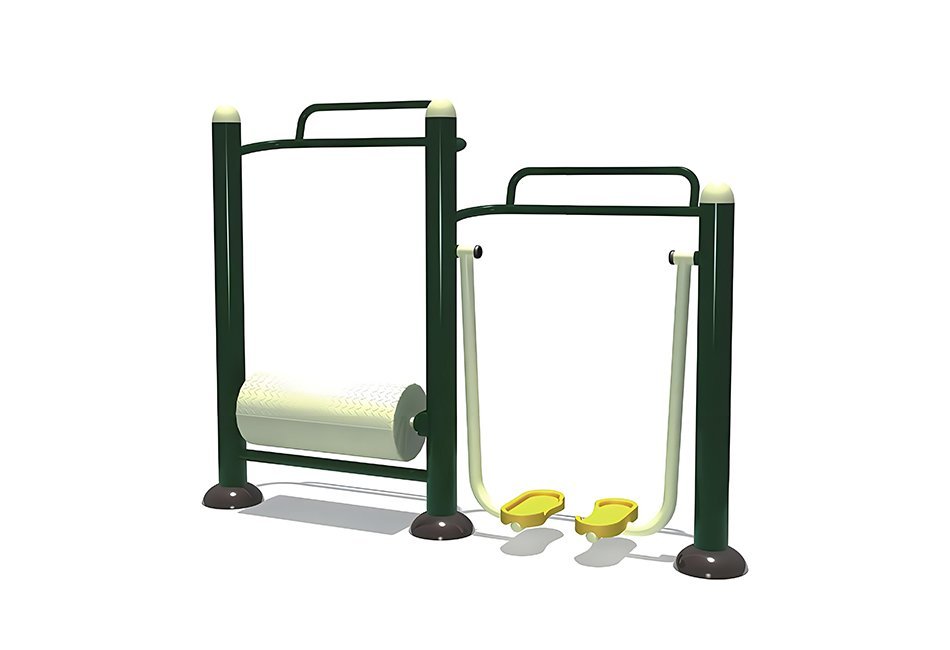
- Massage Devices: Found in some fitness areas, including standing waist and back massagers, rolling massage devices, and leg massagers. Primarily used to relieve fatigue in the waist, legs, and back. Users should control the rhythm reasonably, avoiding excessive speed or slowness.
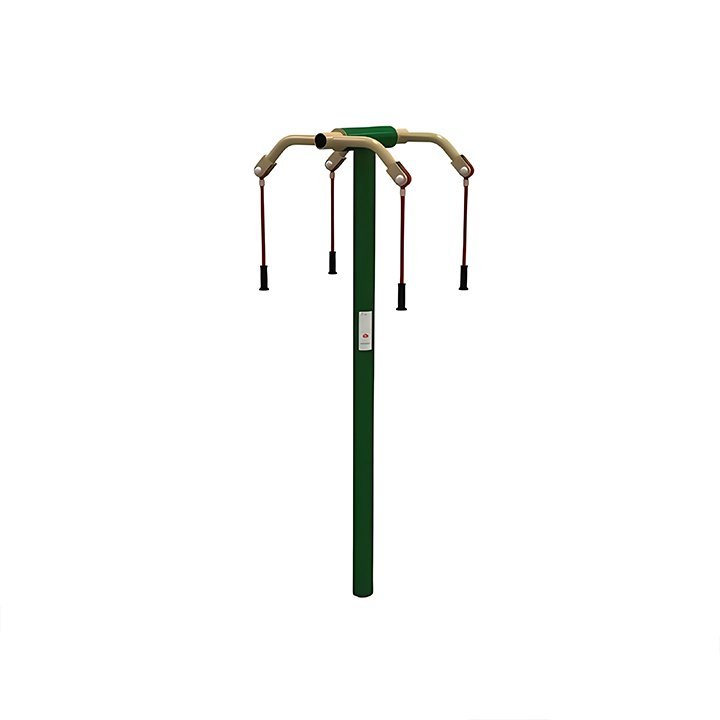
- Upper Limb Traction Device: With two handles on each side connected by chains or axles for lateral pulling, also known as an upper limb traction device or two-position pull-up balancer. Proper warm-up exercises should be performed before using this equipment, focusing on using body strength to resist and improve shoulder mobility. Ideal for exercising shoulder, wrist, and arm strength, suitable for middle-aged and elderly users.
Applications of Outdoor Fitness Equipment
Residential Fitness Zones: Residential areas often feature outdoor fitness equipment, providing residents with convenient exercise spaces and promoting community health.
Public Parks: Outdoor fitness equipment is installed in public parks, offering citizens opportunities for exercise while blending with the natural environment, creating pleasant workout spaces.
Sports Parks: Specifically designed sports parks with outdoor fitness equipment provide fitness enthusiasts with more choices and challenges, creating a diversified exercise environment.
Community Plazas: Community plazas are common locations for installing outdoor fitness equipment, allowing residents to exercise during leisure and recreational activities.
School Playgrounds: Some schools install outdoor fitness equipment on playgrounds or within the campus, facilitating students and staff in engaging in physical activities.
Holiday Resorts: Certain holiday resorts or tourist destinations set up outdoor fitness equipment in open spaces, meeting the fitness needs of visitors during their vacations.
Commercial Plazas: Outdoor fitness equipment can also be found in some commercial areas on open squares or leisure zones, providing exercise options for working professionals.
Riverside Trails, Highway Rest Areas: Outdoor fitness equipment is visible along riverside trails or highway rest areas, catering to joggers or cyclists for fitness activities during their journeys.