




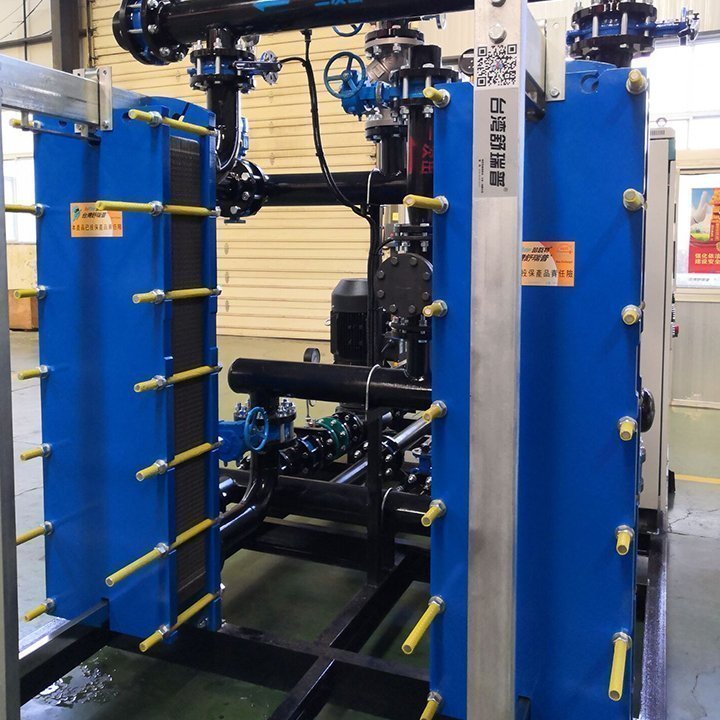
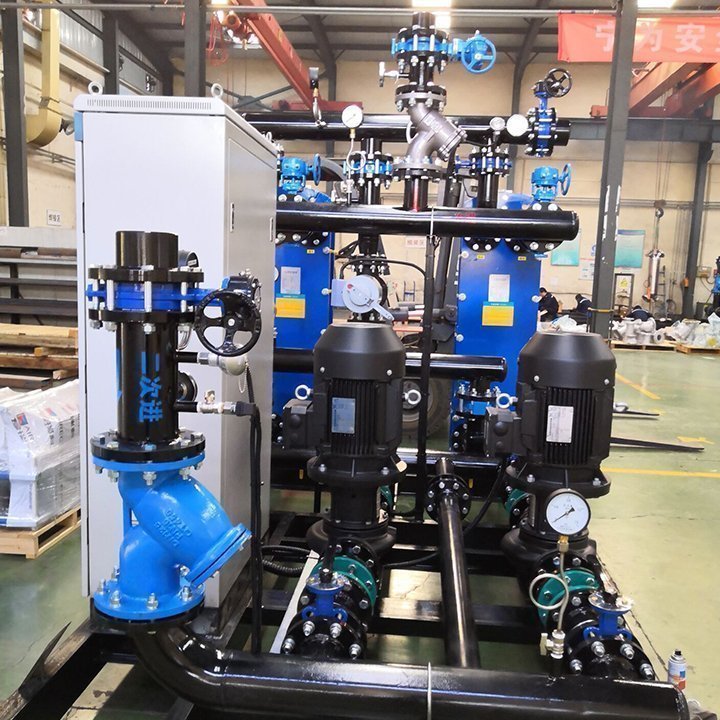
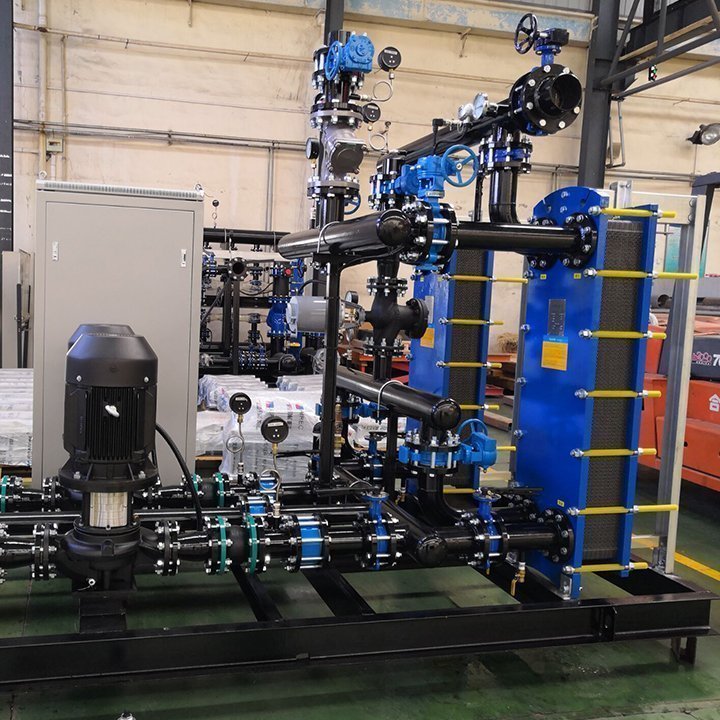
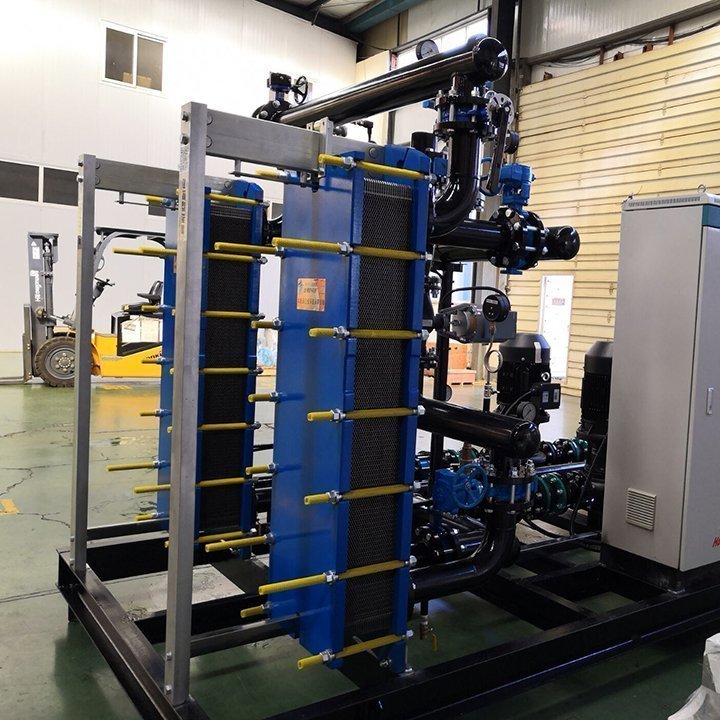
Product Description
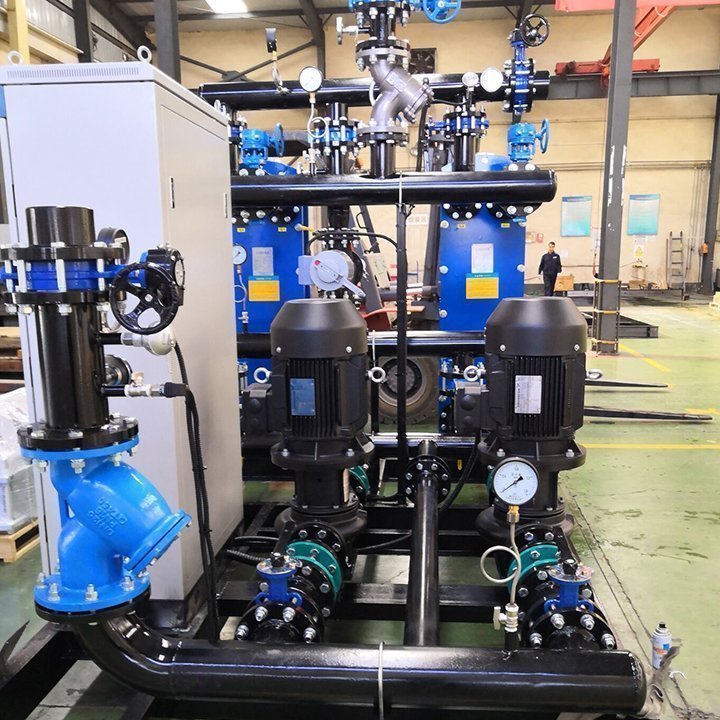
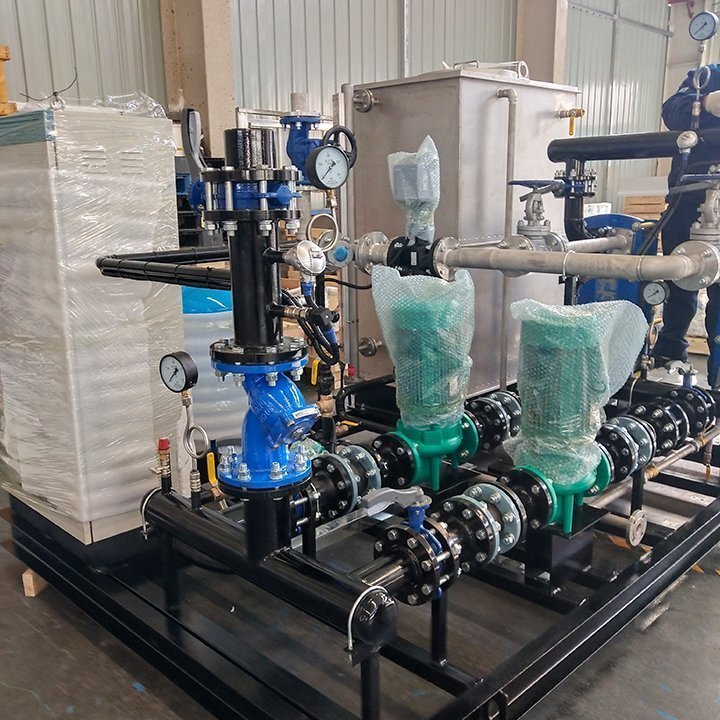
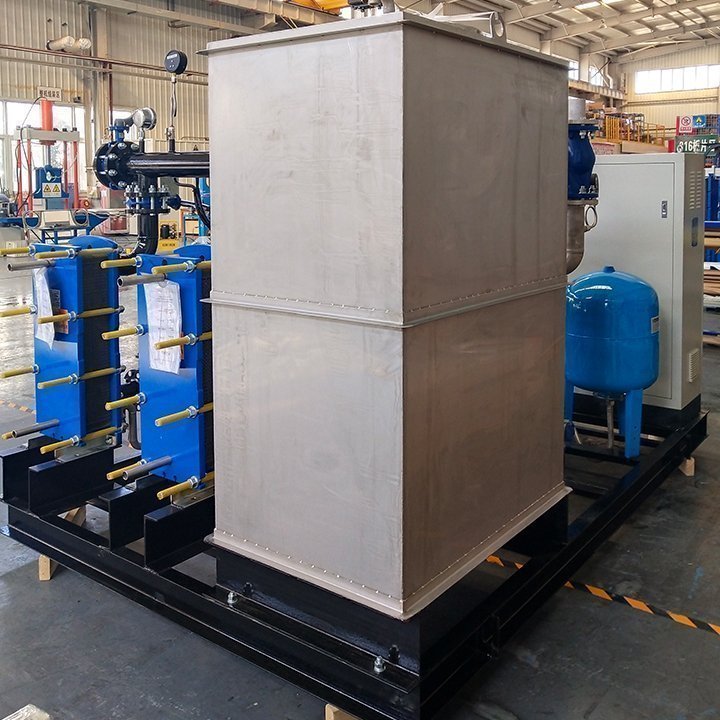
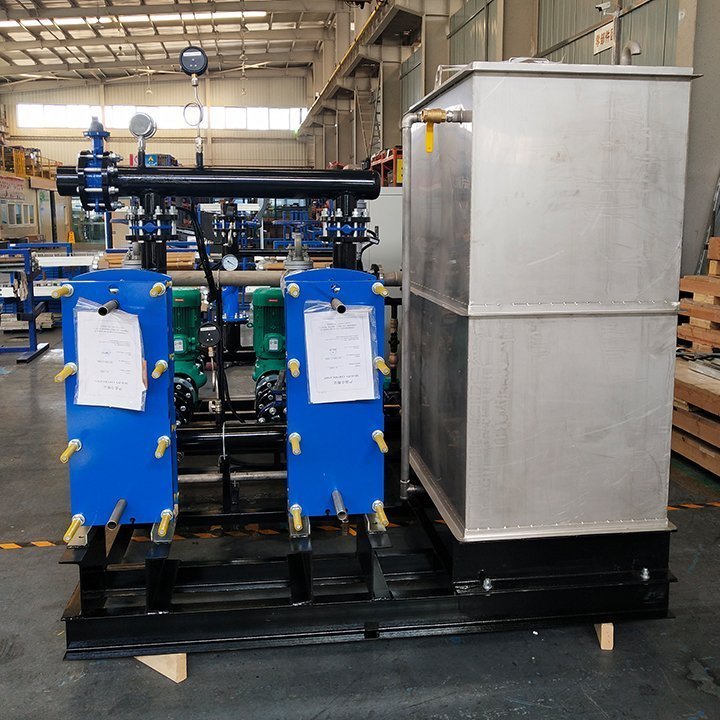
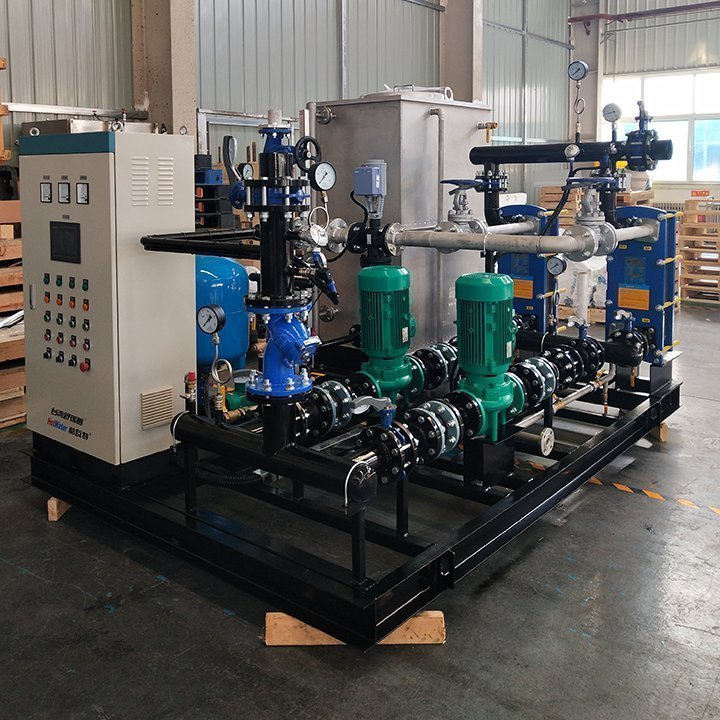
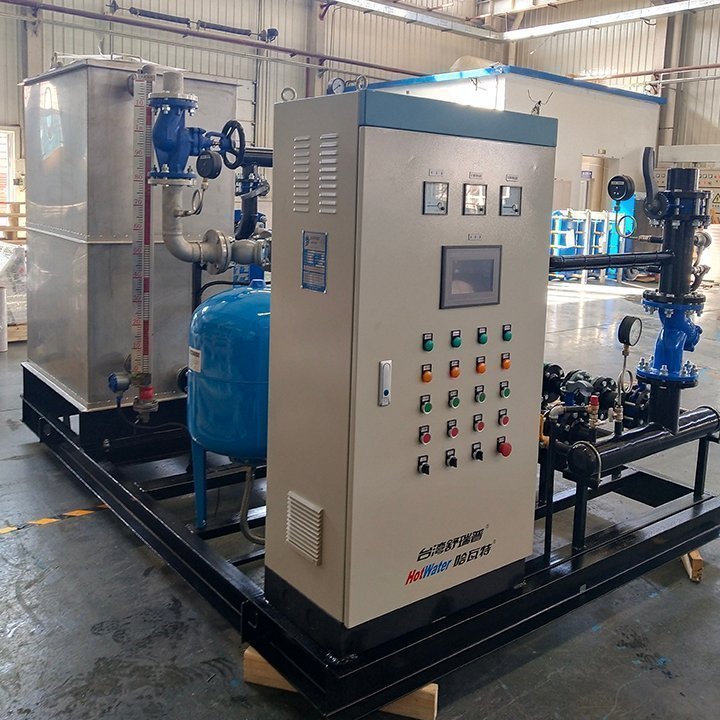
The heat exchanger used in HVAC units is a device specifically designed for heating, ventilation, and air conditioning systems, used to transfer heat between different mediums. These heat exchangers typically include condensers, evaporators, heaters, etc. Depending on specific application requirements and system design, different types of heat exchangers are selected to achieve proper heat transfer and temperature control. Heat exchangers play a crucial role in HVAC units, helping to regulate indoor air temperature, humidity, and comfort while improving energy efficiency.
Features of Heat Exchanger
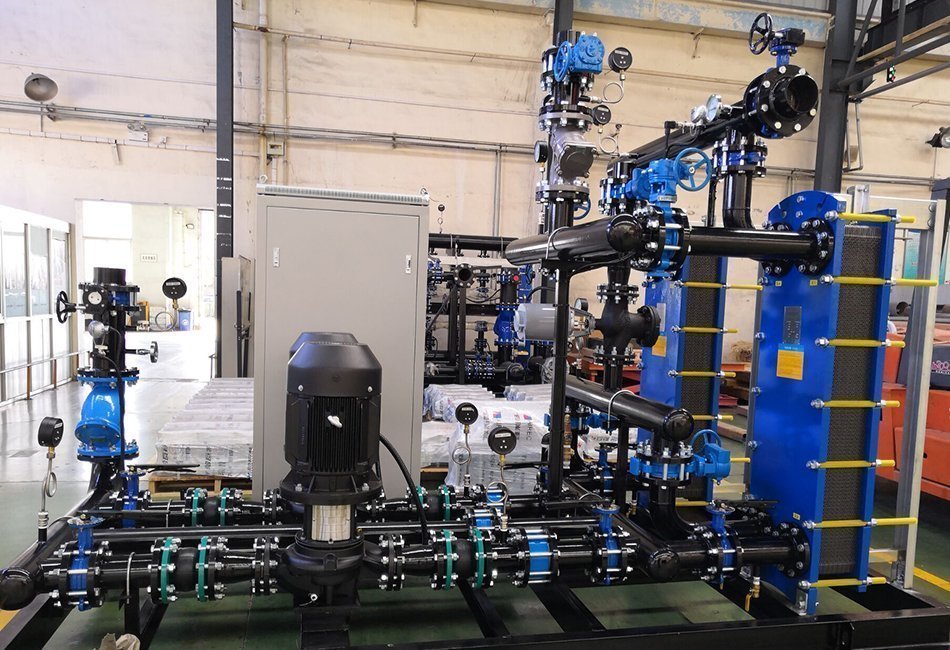
Efficiency: Heat exchangers are designed to maximize heat transfer efficiency between different mediums, ensuring effective heating or cooling performance.
Versatility: These heat exchangers are versatile and can be used in various HVAC systems for heating, ventilation, and air conditioning applications.
Compact Design: They typically have a compact design, allowing for easy integration into HVAC units while minimizing space requirements.
Durable Construction: Heat exchangers are built with durable materials to withstand the rigors of continuous operation in demanding environments.
Corrosion Resistance: They are often resistant to corrosion, ensuring longevity and reliability even in harsh operating conditions.
Optimized Performance: These heat exchangers are engineered to deliver optimized performance, contributing to energy efficiency and cost savings in HVAC operations.
Easy Maintenance: Heat exchangers are designed for easy maintenance, with accessible components and simple cleaning procedures to ensure ongoing performance.
Applications of Heat Exchanger
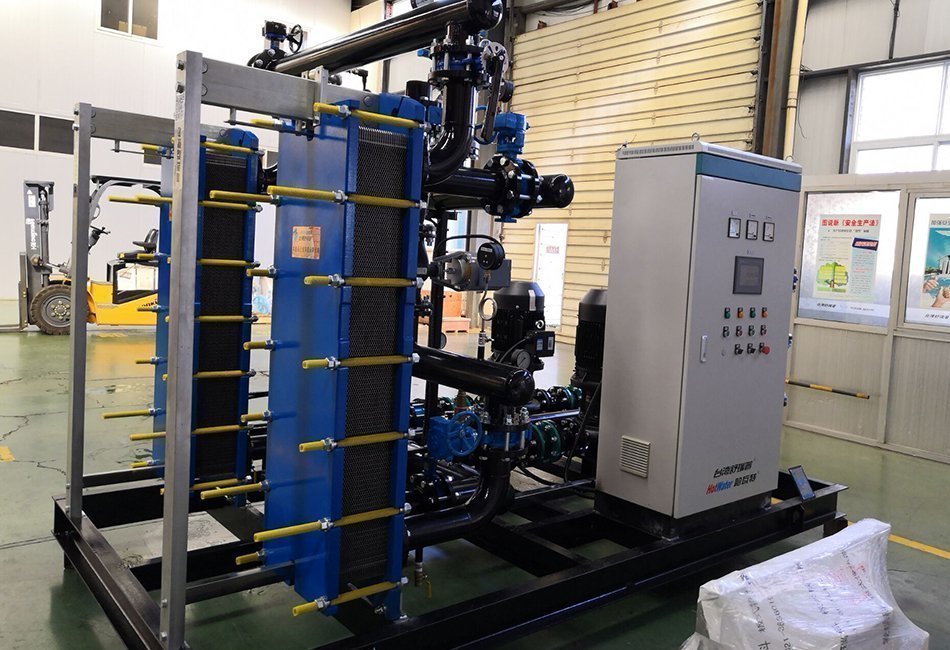
- Refrigeration Systems: Plate heat exchangers can be used in plate condensers and plate evaporators for refrigeration systems.
- HVAC (Heating, Ventilation, and Air Conditioning): Plate heat exchangers are utilized as intermediate heat exchangers for boilers and in high-rise buildings’ HVAC systems.
- Chemical Industry: Plate heat exchangers find extensive applications in various processes within the chemical industry, such as alkali production, ammonia synthesis, alcohol fermentation, material cooling/heating, evaporation/concentration, resin synthesis cooling, desalination processes, and heat recovery devices. They are widely used in metallurgy, mining, petroleum, chemical, power, pharmaceutical, food, chemical fiber, papermaking, textile, shipbuilding, heating, and other sectors for heating, cooling, evaporation, condensation, sterilization, disinfection, waste heat recovery, and other purposes.
- Solar Energy Utilization: Plate heat exchangers play a role in the heat exchange process of heat transfer media such as glycol in solar collectors, aiming to utilize solar energy effectively.